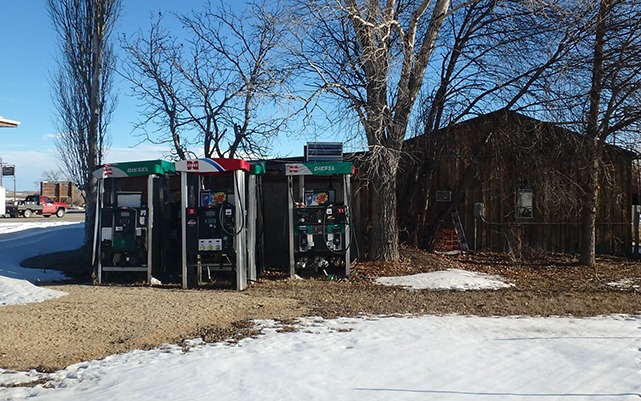
A database search can tell you what was permitted at a property twenty years ago, but it can’t tell you what is leaking today. While historical records provide the “biography” of a site, the Phase I ESA Site Reconnaissance and Walk-Through provides the current reality. It is the moment where theory meets the terrain, and where an experienced environmental professional identifies the physical evidence of potential liability.
At Grouse Mountain Environmental Consultants, our Phase I ESA Site Reconnaissance is a meticulous, boots-on-the-ground examination designed to protect your investment from hidden environmental risks.
The Visual Inspection: Spotting the Red Flags
During a Phase I Environmental Site Assessment (ESA), our team performs a systematic visual inspection of the entire property. We aren’t just looking at the buildings; we are looking for the “signatures” of chemical impact and industrial mismanagement:
-
Storage Tanks & Piping: We inspect for vent pipes, fill ports, and manways that indicate underground storage tanks (USTs), as well as the secondary containment and integrity of aboveground tanks (ASTs).
-
Chemical Handling & Drum Storage: We evaluate how hazardous materials are being staged. Are drums labeled? Are they sitting on bare dirt or a cracked concrete pad? Is there evidence of “orphan” containers?
-
Staining & Distressed Vegetation: Discolored soil or a patch of dead grass in an otherwise green field can be a primary indicator of a historic spill or ongoing leak that hasn’t been reported.
-
Floor Drains & Sumps: We trace where fluids go. In older industrial buildings, floor drains often lead to dry wells or outfalls that can create significant subsurface liability.
Aligning Field Observations with Desktop Findings
The site walk-through is the ultimate “fact-check” for the Desktop Study. We use our time on-site to verify that the historical maps match the current infrastructure:
-
Verifying Removals: If a record states a tank was “removed,” we look for the physical evidence of that removal, such as patched asphalt or vent pipe scars, to ensure the closure was handled correctly.
-
Infrastructure Assessment: We examine transformers for “PCB” labels and inspect building materials for potential asbestos or lead-based paint indicators that could impact future renovation or demolition costs.
-
Adjacent Property Observation: We observe neighboring activities from the property line. A nearby gas station or dry cleaner can pose a migration risk to your site through groundwater or vapor intrusion.
Why a Professional Walk-Through is Essential
Real estate transactions move fast, but environmental liabilities last for decades. By partnering with Grouse Mountain for your Phase I reconnaissance, you gain:
-
Expert Interpretation: Our professionals know the difference between a minor “de minimis” oil drip and a “Recognized Environmental Condition” (REC) that requires a Phase II investigation.
-
ASTM E1527-21 Compliance: Our site visits are conducted to the highest industry standards, ensuring your “All Appropriate Inquiries” (AAI) are defensible in court or at the closing table.
-
Actionable Intelligence: We provide a clear, photographic record of our findings, giving you the leverage you need during price negotiations or for securing environmental insurance.
The Grouse Mountain Difference
We don’t just “walk the line.” Our team has a deep understanding of the industrial and energy infrastructure unique to the Mountain West. We know what a well-maintained site looks like—and we definitely know how to spot one that isn’t.
Ready to ensure your project’s compliance?

