Grouse Mountain biologists completed pre-construction nesting surveys this summer for a forest thinning project in New Mexico’s Cibola National Forest. Forest thinning is a common land management tool utilized in national forests to reduce the risk of wildfire and create greater biodiversity within tree stands. For this project, only large diameter trees (defined by a specific size) will remain after thinning is completed. These ponderosa pine, juniper, and pinyon pine trees will grow larger and healthier in a thinned stand compared to growing in a dense stand.
During these surveys our biologists looked for active bird nests within the project area. Pre-construction nesting surveys ensure no birds are actively nesting within the project area and could be harmed while work is conducted. If a nest were found, an appropriate distance buffer would be placed around the nest and work within the buffer would not resume till the nest is inactive. These mitigations also ensure an operator is within compliance for the Migratory Bird Treaty Act.
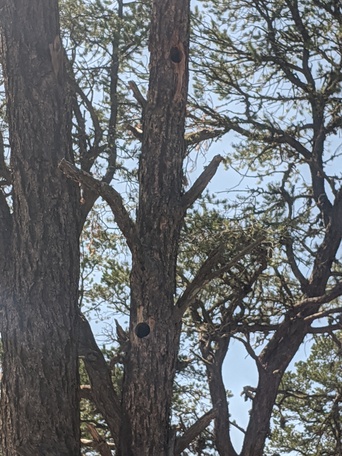
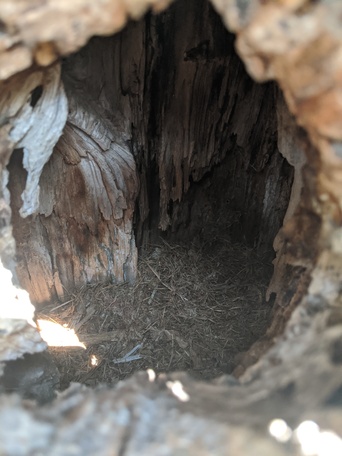
While no active nests were found, our biologists did find numerous inactive cavity nests throughout the project area. Cavities are created by a primary cavity excavator (i.e. woodpeckers) and are important to forest ecosystems as they provide nesting habitat for secondary cavity nesters including smaller birds, bats, small mammals, and falcon and owl species.
For more information about Grouse Mountain Environmental Consultants, or questions on your next New Mexico forestry project, visit https://grousemtnconsultants.com/ or call 505-930-5166.