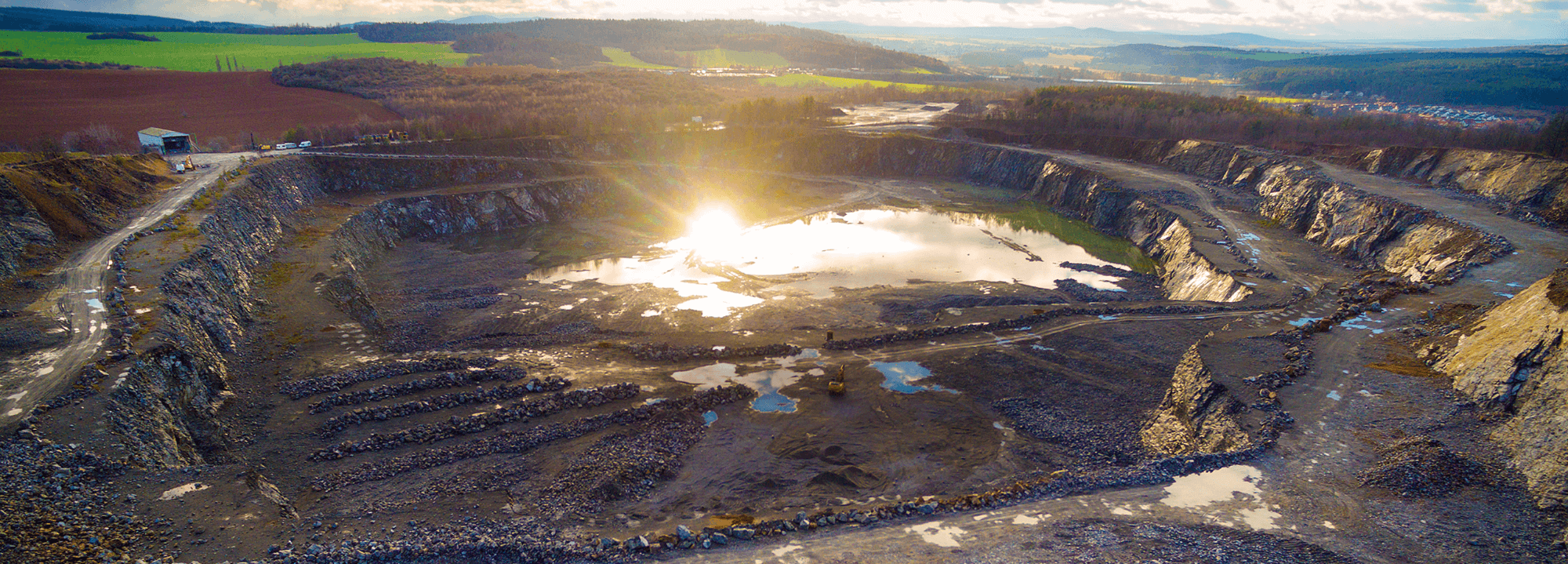
In the industrial and extractive industries, your “ground game” is everything. Whether you are opening a new gravel pit, launching a limited mining operation, or managing a specialized remediation site, the legal authority to disturb the land is a high-stakes prerequisite. Navigating the regulatory requirements for Land-Disturbance and Mining Permits requires a balance of engineering precision and environmental stewardship.
At Grouse Mountain Environmental Consultants, we specialize in the technical and administrative requirements of land-use permitting. We ensure that your operations are built on a foundation of compliant, defensible permits that protect both your investment and the landscape.
Mining Permits & Limited Mining Operation (LMO) Applications
Not every project requires a full-scale environmental impact statement, but even small-scale operations face significant scrutiny. We streamline the application process for Small-Mine Permits and Limited Mining Operations, ensuring your project meets state and federal benchmarks without unnecessary delays:
-
Small-Mine Permit Application Packages: Developing the comprehensive maps, operating plans, and reclamation bonds required by agencies like the WDEQ or CDPHE.
-
Integrated Resource Reviews: Identifying potential constraints (such as topsoil depth, groundwater levels, and proximity to sensitive habitats) before the first shovel hits the dirt.
-
Public & Agency Interface: Managing the notification and comment periods often required for new mining authorizations.
Landfarming & Specialized Disturbance Permits
For many industrial sites, land disturbance isn’t about extraction; it’s about remediation. Landfarming, the process of using soil microbes to break down hydrocarbons, requires specialized permitting and rigorous monitoring to ensure success:
-
Site-Disturbance Permitting: Securing the “right to disturb” for remediation activities, including staging areas and treatment cells.
-
Remediation Planning: Designing landfarming protocols that balance soil loading rates, nutrient additions, and moisture control to maximize contaminant degradation.
-
Closure & Success Documentation: Providing the post-treatment sampling and data analysis needed to prove the soil is “clean” and the site is ready for final reclamation.
Why Strategic Disturbance Planning Matters
A poorly planned disturbance can lead to “legacy costs” that haunt a project for decades. By partnering with GMEC for your mining and land-use permits, you gain:
-
Bonding Efficiency: We develop realistic reclamation plans that help you calculate and secure the appropriate bond amounts, preventing over-collateralization.
-
Minimized Environmental Footprint: Our “disturbance-aware” site layouts prioritize existing roads and stable terrain, reducing the long-term costs of reclamation.
-
Audit-Ready Records: From initial staking to final seeding, we maintain the rigorous documentation required to withstand a surprise agency inspection.
The GMEC Difference
We don’t just “fill out forms.” We provide a comprehensive view of the lifecycle of your site. Our team combines a deep knowledge of RCRA and state mining laws with a practical approach to Western land management, ensuring your project is compliant from the first cut to final stabilization.
Ready to ensure your project’s compliance?

