Specialized Ecological Services for Complex Projects
For large-scale development in the energy and infrastructure sectors, simply checking a box for a basic wildlife survey is not enough. Regulatory agencies are demanding proactive risk modeling, spatial intelligence, and documented habitat offset strategies before, during, and after project implementation.
At Grouse Mountain Environmental Consultants (GMEC), we specialize in Specialized Ecological Services that blend cutting-edge technology with boots-on-the-ground expertise. We provide the tools to minimize your environmental footprint, defend your project footprint, and ensure your investment leads to responsible land stewardship.
1. Precision Planning: GIS and Remote Sensing
The first step in de-risking a project is understanding the landscape at a granular level before the ground is ever broken. We leverage powerful spatial data to optimize project design, avoiding sensitive areas and predicting regulatory pinch points.
-
Remote Sensing and GIS-based Habitat Analyses: We utilize high-resolution satellite imagery (remote sensing) and Geographic Information Systems (GIS) to map vegetation, land cover, and topography across massive project areas. This process:
-
Identifies High-Value Habitats: Pinpoints areas critical for species like Golden Eagles, bats, and rare plants.
-
Optimizes Routing: Allows us to run pipelines and transmission lines through the lowest-risk areas, saving time and money on avoidance measures.
-
Spatial Modeling: Creates predictive models of species distribution, habitat connectivity, and potential human-wildlife conflict zones.
-
2. Compliance Intelligence: Mitigating Specialized Risks
Certain sensitive species and regional regulations require specialized analytical tools that go far beyond general field reports. We provide the technical analyses required to satisfy the most stringent state and federal requirements.
-
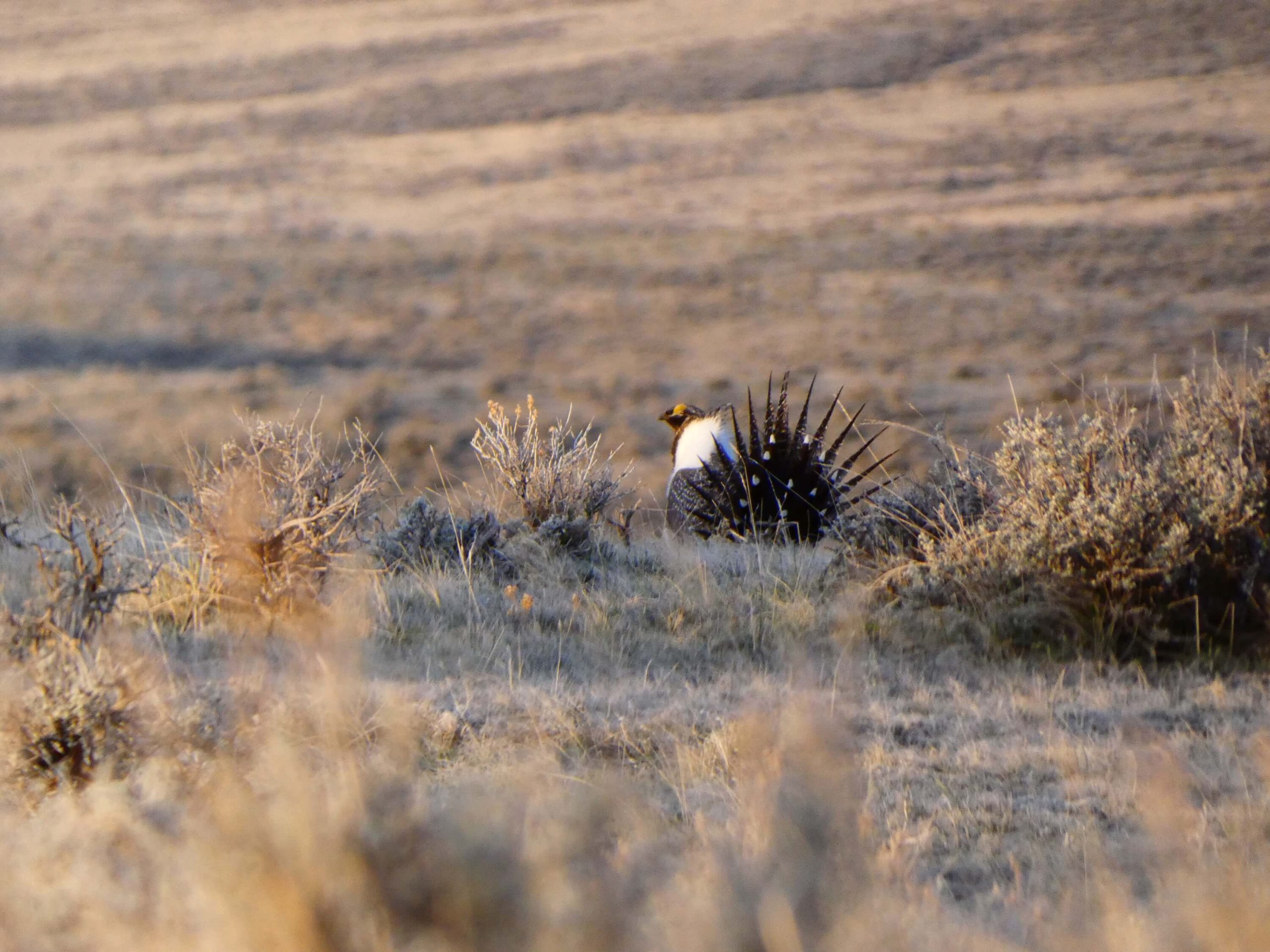
Greater Sage-grouse DDCT Analyses: In states with Sage-grouse mandates (like Wyoming), development within core areas (PHMA) requires a Density Disturbance Calculation Tool (DDCT) analysis. We manage the GIS data submission, calculate the existing and proposed disturbance thresholds, and provide the technical documentation needed to secure permit approval from state agencies.
-
Noise Monitoring and Habitat Utilization: Industrial noise can severely impact breeding wildlife. We conduct acoustic monitoring and modeling to predict noise impacts and track how wildlife (especially Sage-grouse or ungulates) use habitats in proximity to operations, providing data essential for effective mitigation design.
3. Habitat Restoration and Mitigation Implementation
When impacts are unavoidable, regulations often require compensatory mitigation; creating or improving habitat elsewhere. We provide end-to-end services, ensuring your mitigation investment is effective and officially recognized by regulatory bodies.
-
Habitat Restoration Design and Implementation: We develop and execute ecologically sound restoration plans for disturbed sites, including:
-
Reclamation design using native seed mixes.
-
Erosion control and wetland rehabilitation.
-
Monitoring to ensure functional success and regulatory sign-off.
-
-
Artificial Nest/Roost Structure Installation: For targeted mitigation, we design and install structures such as:
-
Artificial raptor nests or platforms to offset nest removal or disturbance.
-
Bat houses and hibernacula (roosts) to compensate for habitat loss.
-
The GMEC Difference: Certainty Through Science
In today’s regulatory climate, successful development hinges on more than compliance; it requires scientific precision and foresight. Our team of certified ecologists and GIS analysts provides the high-level, specialized services that:
-
Defend Your Footprint: Provide legally defensible data for permitting reviews.
-
Accelerate Approval: Use advanced modeling to avoid late-stage design changes.
-
Maximize Mitigation Value: Design and implement habitat solutions that are cost-effective and meet agency success criteria.
Ready to ensure your project’s wildlife resource compliance?

