Accurate Wildlife Surveys for T&E Species & Project Compliance
In the oil & gas, mining, solar, and infrastructure industries, a single undiscovered Threatened or Endangered (T&E) species can lead to devastating project delays. Compliance starts not with a permit, but with accurate, defensible, and timely data.
At Grouse Mountain Environmental Consultants (GMEC), we provide the scientific foundation your projects need. Our certified biologists use specialized, protocol-level methods to establish clear wildlife baselines and provide the continuous monitoring required to ensure your operations, from planning to post-construction, remain compliant and on schedule.
The Gold Standard: T&E and Special-Status Species Assessments
Any project requiring federal action or large land disturbance must account for species protected under the ESA and regional sensitive species lists. Our assessments go beyond simple desktop reviews:
-
Habitat Assessments: We analyze land cover, hydrology, and potential habitat features to determine the likelihood of protected species presence. This is the crucial first step to scoping subsequent, more intensive fieldwork.
-
Protocol-Level Surveys: We deploy methods required by the U.S. Fish & Wildlife Service (USFWS) and state agencies. These surveys are typically seasonal (timed to breeding, nesting, or migration periods), guaranteeing the highest chance of detection and regulatory acceptance.
-
Targeted Species Inventories: From small mammals and amphibians to large game, we execute tailored sampling techniques to accurately map species occurrence and inform Avoidance/Minimization strategies.
Avian and Bat Resources: Advanced Monitoring Techniques
Birds and bats often represent the greatest regulatory risk due to the Migratory Bird Treaty Act (MBTA) and the Eagle Act. Our services focus on high-stakes species and high-risk environments:
-
Avian Point Counts: Our biologists use fixed-point census techniques during peak bird activity (dawn) to record species presence and density by sight and sound. This provides the crucial baseline data for impact modeling.
-
Eagle/Raptor Nest Surveys: Using aerial surveys (helicopters/drones) and ground-based telemetry, we map the location and activity of all raptor nests within defined buffer zones to ensure compliance with the Eagle Act’s non-disturbance mandates.
-
Winter Roost Monitoring: We track the use of critical wintering habitat by species like Bald Eagles, providing essential data for operational limits near these sensitive areas.
-
Bat Acoustic Surveys: Using sophisticated, automated ultrasonic recorders, we monitor bat activity and identify species based on their unique echolocation calls. This non-invasive method is critical for meeting USFWS guidelines for threatened species like the Northern Long-eared Bat.
-
Mortality Monitoring (Post-Construction): For operating facilities (especially wind/solar), our crews conduct systematic fatality searches, often combined with searcher-efficiency and carcass-removal trials, to provide statistically defensible estimates of take.
Terrestrial Ecosystems: Mapping Critical Habitats
Our expertise extends across the terrestrial spectrum, addressing species that affect land use, development density, and reclamation planning:
-
Lek Inventories (Sage- and Sharp-tailed Grouse): We conduct precise counts of males at known mating grounds (leks) during the spring breeding season. This data is vital for meeting regional regulations concerning development setbacks from these critical sites.
-
Prairie Dog Colony Mapping: We accurately map the boundaries of prairie dog colonies, which are often the habitat for federally protected species like the Black-footed Ferret. This mapping informs avoidance strategies and potential relocation needs.
-
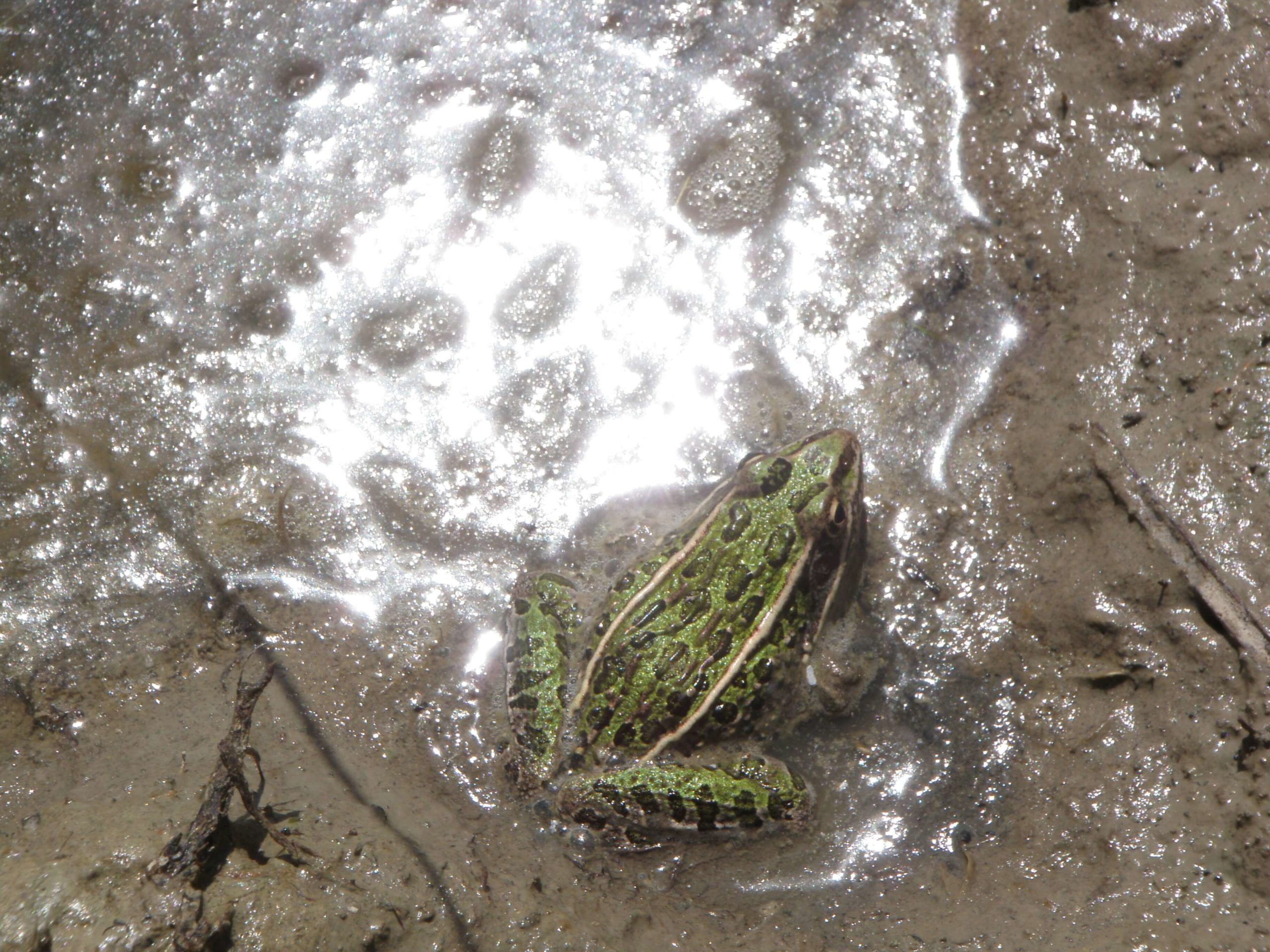
Amphibian/Reptile and Small Mammal Sampling: We use approved techniques (e.g., pitfall traps, cover boards, live-trapping) to assess biodiversity and confirm the presence/absence of species that may trigger site-specific mitigation requirements.
-
Big Game Habitat Assessments: We evaluate seasonal use of project areas by species like elk and mule deer, focusing on migration corridors and winter range, to inform habitat connectivity planning for linear projects (pipelines, transmission).
GMEC: The Scientific Certainty Your Project Requires
The difference between a seamless permit approval and a costly project halt is the quality and defensibility of your field data.
Our team has the necessary state and federal collection permits, uses the latest technology (GIS/GPS mapping, acoustics), and adheres to all current agency protocols, giving you confidence in your environmental reporting.
Ready to ensure your project’s wildlife resource compliance?

