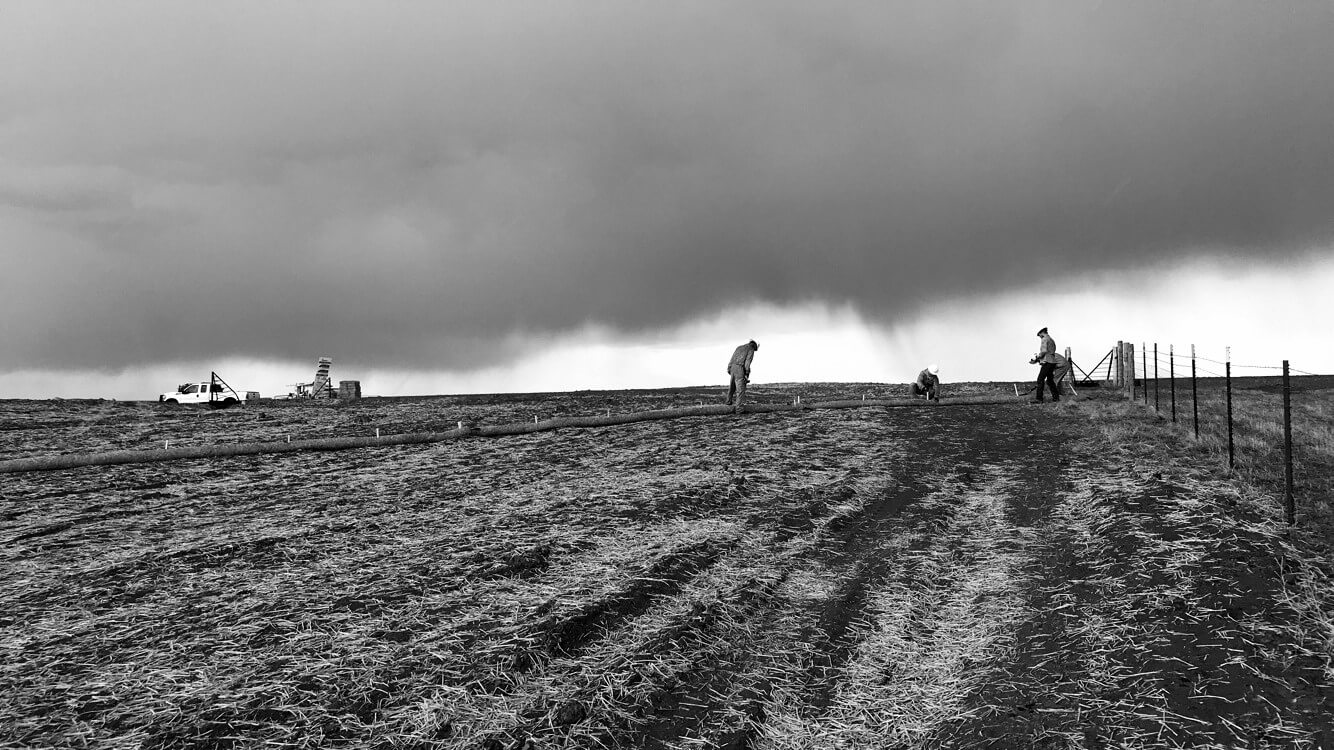
In the Mountain West, water is often a scarce resource, until it isn’t. When a sudden high plains thunderstorm or a rapid spring snowmelt hits a construction site, thousands of acres of disturbed soil can quickly become a major regulatory and operational liability. For wind and solar developers, managing runoff isn’t just about protecting the local watershed; it’s about protecting your infrastructure and your permit to operate.
At Grouse Mountain Environmental Consultants, we specialize in Stormwater and Sediment Control. We provide the technical design and administrative oversight needed to keep your project compliant with the Clean Water Act and state-specific discharge regulations.
The Blueprint for Compliance: SWPPP Development
The foundation of any large-scale land disturbance is a robust Stormwater Pollution Prevention Plan (SWPPP). A “cookie-cutter” plan won’t survive an audit or a heavy rain event. We develop site-specific SWPPPs that reflect the unique topography and soil types of your project:
-
Erosion-Control Design: We don’t just list BMPs (Best Management Practices); we design them. From strategically placed diversion ditches and sediment basins to the selection of high-performance erosion control blankets, we ensure your site is engineered to handle peak flows.
-
Pollutant Source Identification: We identify potential risks beyond just sediment, including fuel storage areas, concrete washout stations, and chemical staging, ensuring every threat to water quality is mitigated.
-
Adaptive Management: Our SWPPPs are living documents. As your project moves from road grading to turbine erection or solar array installation, we update the plan to reflect the changing “footprint” of the disturbance.
Navigating the Administrative Lifecycle: NOI to NOT
The “paperwork” of stormwater compliance is a rigid process with strict deadlines. We manage the full lifecycle of your stormwater permit to ensure there are no gaps in coverage:
-
Notice of Intent (NOI) Submission: We handle the initial filing with the Wyoming DEQ, South Dakota DANR, or other state agencies, securing your authorization to discharge before the first blade touches the dirt.
-
Routine Inspections & Documentation: Stormwater compliance is won or lost in the inspection logs. We provide qualified inspectors to conduct the required weekly and post-storm event audits, documenting BMP integrity and corrective actions.
-
Notice of Termination (NOT) Support: The most difficult part of the process is often the end. We provide the final stabilization oversight and documentation needed to successfully file your NOT and release your project from permit obligations.
Post-Construction Inspection & Long-Term Stability
A project isn’t “stable” just because the construction crews have left. The period between physical completion and final revegetation is the most high-risk window for erosion.
-
BMP Maintenance: We oversee the transition from temporary construction controls to permanent stabilization features like armored channels and reseeded slopes.
-
Vegetation Audits: We track “percentage of cover” milestones, ensuring the site is on a trajectory toward the 70% threshold typically required for permit termination.
-
Corrective Action Planning: If a washout occurs, we are on-site immediately to design a repair that prevents further degradation and maintains regulatory standing.
The Grouse Mountain Difference
We understand that on a multi-million dollar renewable energy project, a “Stop Work Order” due to a sediment discharge is not an option. Our team combines technical hydrology with a practical, “boots-on-the-ground” approach to ensure your stormwater program is proactive, not reactive.
Ready to ensure your project’s compliance?

