In environmental permitting, the most valuable map isn’t always the one showing where a species lives, it’s the one showing where it could live. For energy developers, infrastructure planners, and land managers in the West, identifying potentially suitable habitat for Threatened and Endangered (T&E) species is a critical first step. It is the difference between a streamlined categorical exclusion and a multi-year Environmental Impact Statement.
At Grouse Mountain Environmental Consultants, we specialize in T&E Habitat Assessments and Mapping. We combine advanced spatial modeling with “boots-on-the-ground” field validation to provide a clear, defensible roadmap of your project’s biological risks.
The Predictive Power of Species Distribution Models
In the vast expanses of Wyoming and the surrounding states, surveying every acre is often logistically impossible. We use Species Distribution Modeling (SDM) to narrow the search:
-
Spatial Analysis Tools: We utilize high-resolution Geographic Information Systems (GIS) to layer environmental variables like soil type, elevation, aspect, and distance to water.
-
Habitat Probability Mapping: By analyzing these factors, we create “heat maps” that rank your project area’s suitability for specific species, from the Ute ladies’-tresses orchid in riparian zones to the black-footed ferret in prairie dog complexes.
-
Early Siting Support: Our models allow your engineers to “design around” high-probability habitat during the initial planning phase, potentially bypassing the need for intensive presence/absence surveys later.
Ground-Truthing: Field-Based Habitat Evaluations
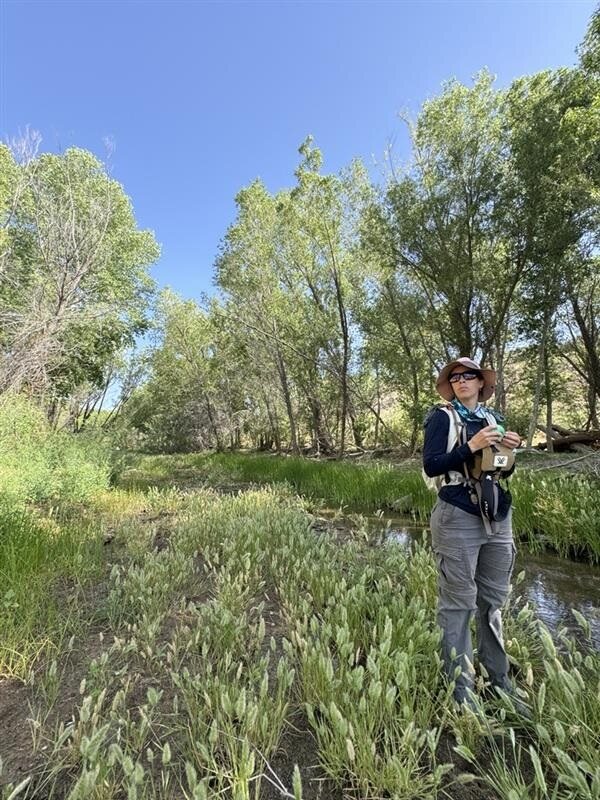
A digital model is a powerful guide, but the U.S. Fish and Wildlife Service (USFWS) requires physical verification. Our biologists take the office data into the field to confirm the reality of the landscape:
-
Micro-Habitat Observations: We look for the subtle “indicators” that a map might miss: specific host plants for insects, unique rock crevices for bats, or the precise soil moisture levels required for rare flora.
-
Habitat Quality Scoring: Not all suitable habitat is created equal. We evaluate the current “rank” of an area, helping regulators understand if a site is a critical corridor or a low-functioning marginal zone.
-
Negative Determination Reports: If our field evaluation proves that the physical or biological features (PBFs) required for a species are absent, we provide the technical record needed to request a “No Effect” concurrence from federal agencies.
Why Habitat Mapping is a Business Asset
In environmental consulting, information is the best defense against project delays. By partnering with GMEC, you gain:
-
Avoidance by Design: By identifying and avoiding high-probability habitat during the design phase, you can often significantly shorten the time required for agency concurrence and Section 7 consultations.
-
Strategic Survey Allocation: Instead of a “blanket” survey of your entire project area, our habitat assessments allow us to focus expensive, protocol-driven field work only where it is truly necessary.
-
Defensible NEPA Documentation: Our integrated reports provide the rigorous “Affected Environment” data that federal agencies require for Environmental Assessments (EA) and Impact Statements (EIS).
The GMEC Difference
We don’t just produce “pretty maps”. We provide regulatory strategies. Our team understands the specific ecological nuances of the Mountain West and the Great Plains. We provide the technical depth of a specialized GIS firm with the practical, “get-it-done” perspective of a regional field partner.
Ready to ensure your project’s compliance?

