In the Mountain West and Great Plains, a single federal listed species can change the entire trajectory of a project. Whether you are developing a wind farm, siting a pipeline, or managing a municipal expansion, the presence of a Threatened or Endangered (T&E) species requires more than just a general biological survey. It requires a systematic, species-specific approach that meets the rigorous standards of the U.S. Fish and Wildlife Service (USFWS).
At Grouse Mountain Environmental Consultants, we specialize in targeted T&E species surveys. We provide the technical expertise and federal permit authorizations needed to clear your project area for the region’s most sensitive inhabitants.
Species-Specific Expertise: From Orchids to Owls
Many T&E species have a unique protocol for identifying presence/absence. A survey for a rare orchid looks nothing like a survey for a cryptic bird. We provide authorized biologists for the region’s primary species of concern:
-
Ute Ladies’-Tresses Orchid (Spiranthes diluvialis): We conduct intensive inventories during the critical flowering window (typically July–August) in riparian and wetland habitats to confirm presence or absence.
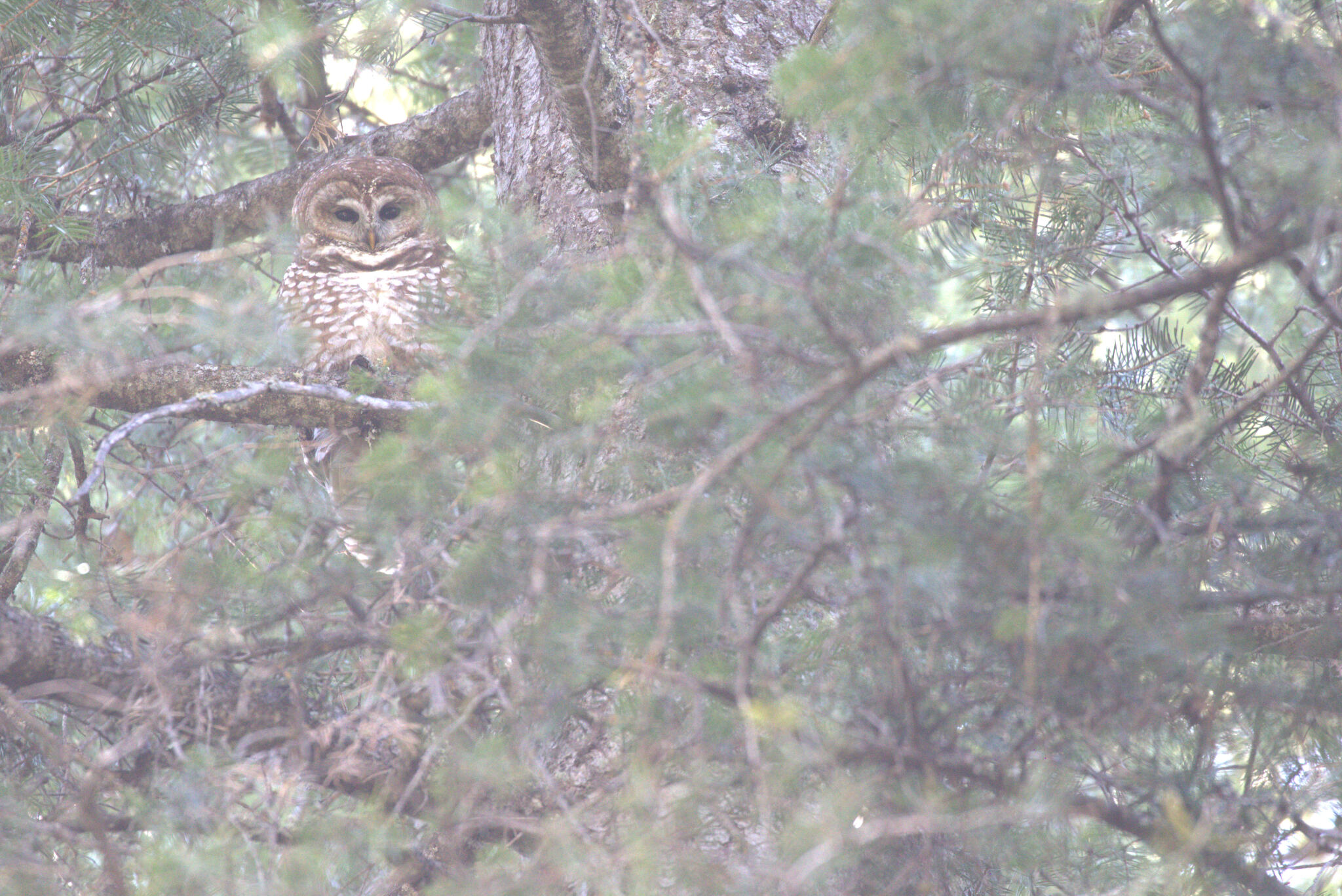
- Mexican Spotted Owl (Strix occidentalis lucida): We provide the specialized call route inventory and PAC monitoring required to meet federal clearance protocols.
-
Western Yellow-billed Cuckoo (Coccyzus americanus occidentalis): We provide the specialized presence/absence surveys required to meet federal clearance protocols.
- Southwestern Willow Flycatcher (Empidonax traillii extimus): We provide the specialized presence/absence surveys required to meet federal clearance protocols.
-
Northern Long-Eared Bat (Myotis septentrionalis): With shifting listing statuses and white-nose syndrome concerns, we provide acoustic monitoring and habitat assessments to ensure your project stays compliant with evolving bat protection guidelines.
-
Proposed & Candidate Species: We track species “on the bubble” for listing, helping you gather baseline data to provide guidance on your project now for potential upcoming regulatory changes.
The Systematic Approach: Why Methodology Matters
In the world of the Endangered Species Act (ESA), the process is just as important as the result. Our targeted surveys are designed directly with the agencies involved:
-
Qualified Personnel: Our team consists of biologists who hold the specific federal recovery permits required to conduct surveys for many protected species.
- Protocol Adherence: We utilize the exact survey grids, timing windows, and weather constraints mandated by the USFWS.
-
Defensible Negative Data: If a species is not found, we provide the required documentation needed to show probably absence, allowing agencies to issue a “No Effect” or “Not Likely to Adversely Affect” determination.
Why a Targeted T&E Species Survey is a Strategic Asset
A T&E discovery doesn’t have to stop your project, but an unexpected discovery during construction always causes issues. By partnering with Grouse Mountain, you gain:
-
Avoidance-by-Design: Identifying a population during the planning phase allows you to shift infrastructure or mitigate impacts, potentially bypassing months of formal consultation.
-
Section 7 Consultation Support: If impacts are unavoidable, our data provides the technical backbone for the Biological Assessment (BA) needed for USFWS concurrence.
-
Permitting Confidence: We provide the “science” that your legal and regulatory teams need to move forward with certainty, knowing the biological risks have been fully identified.
The Grouse Mountain Difference
We don’t just look for animals and plants; we navigate the Endangered Species Act. Our team understands the specific nuances of Wyoming, New Mexico, and the surrounding Western states. We provide the technical ability and localities needed to meet tight seasonal survey windows.
Ready to ensure your project’s compliance?

