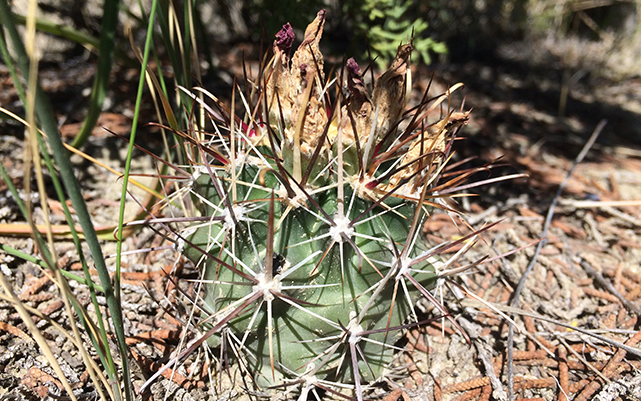
In the rugged basins and high-altitude ridges of the Mountain West, some of our most significant environmental factors are also the smallest. Rare, threatened, and endangered plant species often occupy highly specific niches, clinging to unique soil types or micro-climes that are easily overlooked. For energy developers, telecommunications firms, and federal land managers, failing to identify these botanical “speed bumps” early can lead to significant project delays, costly re-routing, and regulatory hurdles.
At Grouse Mountain Environmental Consultants, we provide specialized Rare Plant Surveys. We combine deep botanical expertise with a practical understanding of the project lifecycle to ensure your environmental clearances are thorough and defensible.
Precision Timing: The Phenological Window
A rare plant survey is only valid if it is conducted when the target species is actually visible and identifiable. Many sensitive plants in Wyoming and the surrounding states have extremely short flowering periods, some lasting only a few weeks.
-
Appropriate Phenological Windows: We track seasonal moisture and temperature trends to ensure our field crews are on-site at the exact moment a species is in bloom or fruit.
-
Agency-Standard Methodology: Our surveys meet the rigorous “Intuitive Controlled” or “Grid” survey standards required by the BLM, USFS, and USFWS.
-
Targeted Field Surveys: We don’t just “look for flowers.” We utilize predictive modeling to identify the specific soil types and aspects where federally listed or BLM-sensitive species are most likely to occur.
Navigating Sensitive Designations
The list of protected plants is constantly evolving. We maintain an up-to-date understanding of the regional botanical landscape to protect your project from surprises:
-
Federally Listed Species: We provide the intensive surveys and documentation required for Section 7 consultation under the Endangered Species Act (ESA).
-
BLM & USFS Sensitive Species: We help you navigate the “Special Status Species” policies that can impact surface occupancy and timing limitations on federal permits.
-
State-Designated Species: We coordinate with state natural heritage programs to ensure your project respects local biodiversity and “Species of Concern” lists.
Why a Professional Rare Plant Survey is a Business Asset
In the world of environmental permitting, a “Negative Survey” (finding no rare plants) is just as valuable as a discovery, if the data is defensible. By partnering with GMEC, you gain:
-
Project Certainty: Identifying a sensitive population during the planning phase allows for “Avoidance by Design,” which is significantly cheaper than mitigation or re-permitting later.
-
Regulatory Concurrence: Our reports are built to the standards that agency biologists expect, reducing the “back-and-forth” during document review.
-
Liability Protection: A professional survey provides a legal “snapshot” of the botanical landscape, protecting you from claims of unauthorized “take” or habitat destruction.
The GMEC Difference
We are more than just “plant people”; we are regulatory strategists. Our team understands that the presence of a rare species doesn’t have to be a project-killer, it just requires a professional plan. We provide the technical depth and the “boots-on-the-ground” persistence needed to clear your project area with confidence.
Ready to ensure your project’s compliance?

