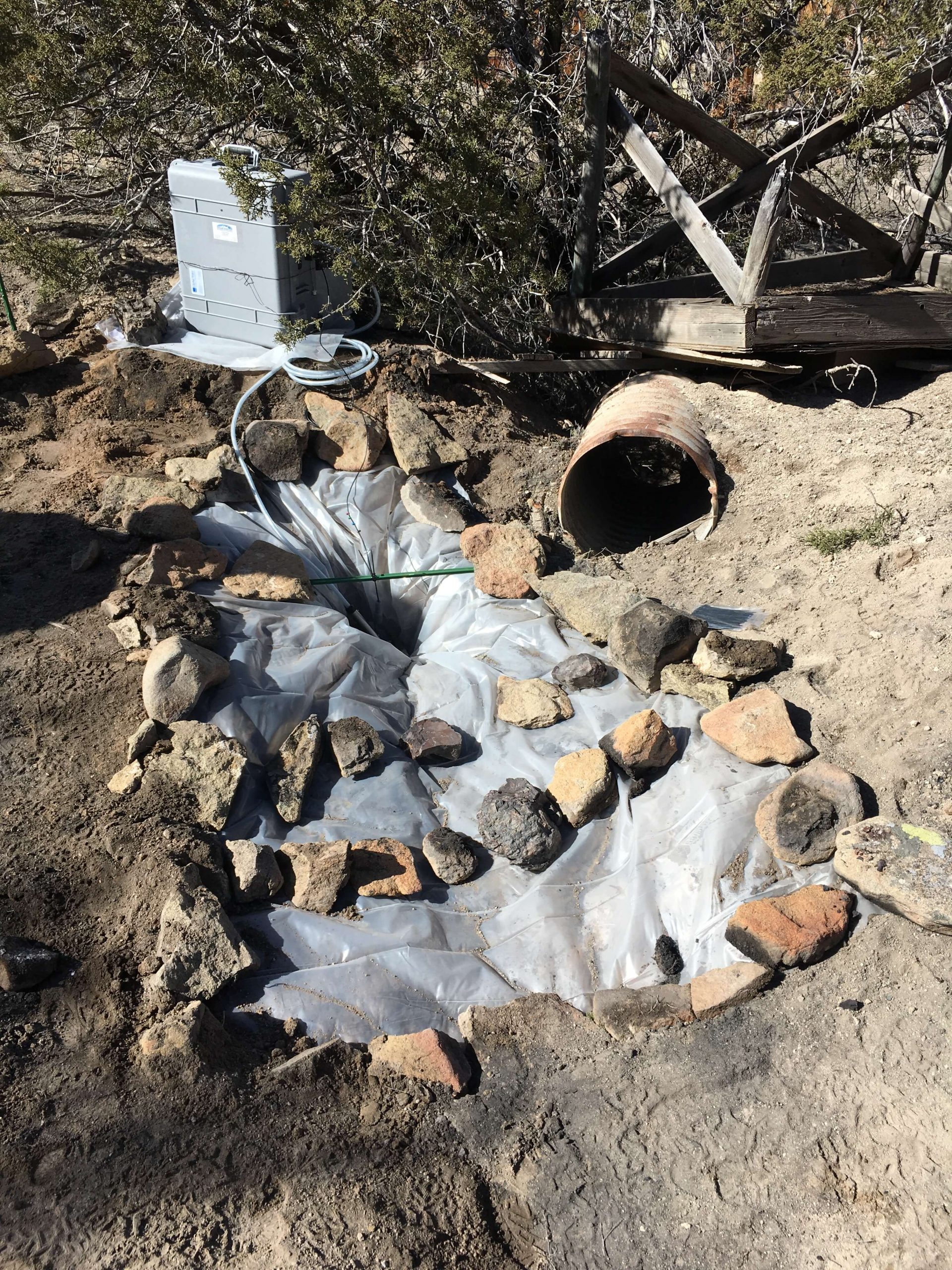
Stormwater Monitoring & Compliance Inspections

Stormwater Monitoring & Compliance Inspections

A Stormwater Pollution Prevention Plan (SWPPP) is only as strong as its last inspection. In a regulatory climate where “if it isn’t documented, it didn’t happen,” maintaining a rigorous monitoring and inspection schedule is the only way to shield your project from significant fines and stop-work orders.

At Grouse Mountain Environmental Consultants, we provide the technical oversight and third-party validation needed to ensure your Stormwater Monitoring and compliance efforts meet the highest state and federal standards.

Customized Stormwater Monitoring Programs

Different sites carry different risks. A project located near a “sensitive water body” or a high-quality trout stream requires a much higher level of data than a standard inland site. We develop monitoring programs tailored to your specific permit requirements and risk profile, including:

  • Turbidity & Water Quality Sampling: Measuring the clarity of discharge to ensure your sediment controls are functioning as designed.

  • Rainfall & Runoff Tracking: Utilizing on-site rain gauges and weather tracking to trigger “post-event” inspections as required by your permit.

  • Visual Monitoring: Systematically documenting discharge points to identify any “illicit” or non-stormwater flows before they reach the drainage.

The Gold Standard: On-Site Compliance Inspections

The heart of any successful SWPPP is the field inspection. Our certified inspectors provide more than just a signature; they provide an expert audit of your site’s environmental health.

  • BMP Effectiveness Audits: We don’t just check if a silt fence is there; we check if it’s working. We evaluate the structural integrity and performance of every Best Management Practice on-site.

  • Corrective Action Identification: If a control has failed or is reaching capacity, we provide immediate, actionable recommendations for repair or replacement.

  • Regulatory Documentation: We maintain the detailed inspection logs, photo evidence, and site map updates necessary to withstand an unannounced agency audit.

Why Third-Party Inspections Save Your Budget

While it may be tempting to “self-inspect,” third-party oversight from GMEC offers a layer of professional protection that pays for itself:

  1. Unbiased Validation: We provide an objective view of site conditions, identifying risks that internal teams might overlook due to “construction-blindness.”

  2. Audit Readiness: When the WDEQ or EPA arrives for a surprise visit, your documentation will be organized, current, and professionally prepared.

  3. Risk Management: By identifying a failing BMP early, we prevent the “mass-failure” event that leads to expensive downstream cleanup and environmental damage.

The GMEC Difference

We understand that your primary goal is to keep the project moving. Our inspectors are trained to work collaboratively with your site supervisors, finding solutions that keep you compliant without halting production.

Ready to ensure your project’s compliance?
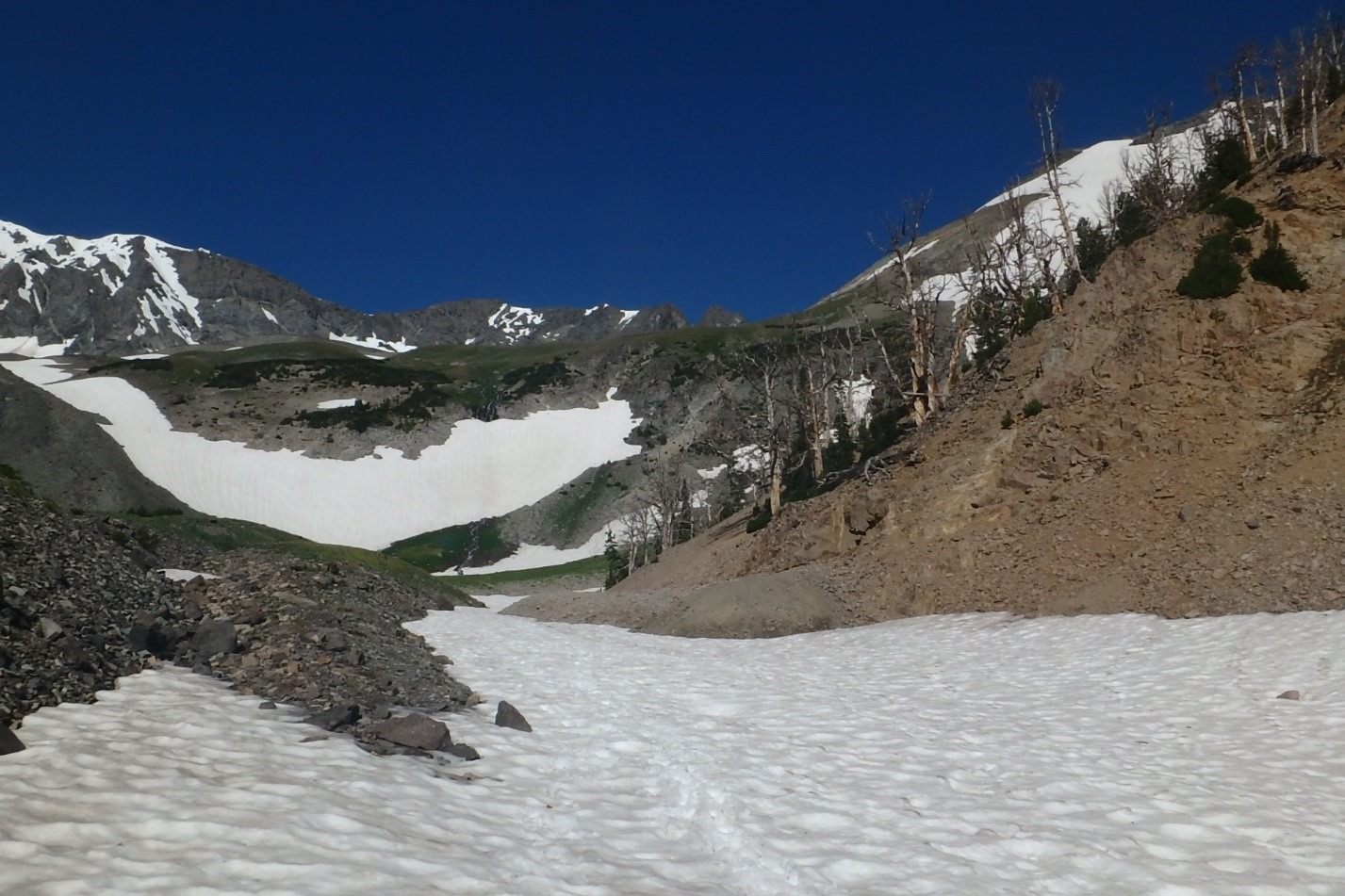
Contact Grouse Mountain Environmental Consultants today for a consultation.
Learn more about our SWPPP services.

Erosion Control Planning & Best Management Practices (BMPs)

Erosion Control Planning and Design

On a project site, the difference between a smooth operation and a regulatory headache often comes down to the first few inches of soil. Without a strategic Erosion Control Plan, a single Wyoming windstorm or a spring runoff event can wash away your site’s integrity and your budget.

At Grouse Mountain Environmental Consultants, we view Best Management Practices (BMPs) not just as a checklist, but as a dynamic system designed to protect your soil structure and minimize runoff throughout the entire project lifecycle.

Design and Specification: Choosing the Right BMPs

Not all erosion control measures are created equal. A “standard” silt fence might fail on a steep slope, and straw mulching alone may not suffice in high-velocity drainage channels. Our team specializes in the technical design and specification of BMPs tailored to your site’s unique topography and soil type:

  • Stabilized Construction Entrances: Preventing “track-out” onto public roads, which is often the first thing an inspector notices.

  • Silt Fences & Wattles: Creating effective perimeter controls that filter sediment-laden runoff.

  • Straw Mulching & Tackifiers: Providing immediate ground cover to protect exposed soil from raindrop impact and wind erosion.

  • Sediment Traps: Designing temporary basins to capture and settle solids before water leaves the limits of disturbance.

Beyond Installation: Inspection & Maintenance

The most expensive BMP is the one that doesn’t work. Stormwater compliance is not a “set it and forget it” task. To ensure your Erosion Control Planning remains effective, we provide:

  • Routine Inspections: Conducted after major weather events and at regulatory intervals to identify potential points of failure before they become violations.

  • Maintenance & Repairs: Promptly addressing sagging fences, full sediment traps, or breached wattles to maintain the integrity of your SWPPP.

  • BMP Amendments: As your site evolves from grading to vertical construction, we adjust and update your controls to match the changing drainage patterns and risks.

Why Strategic Planning Saves Your Project

Proactive erosion control is always more cost-effective than reactive cleanup. By investing in professional BMP management, you:

  1. Protect Soil Structure: Keeping topsoil on-site preserves the “biological bank” needed for future reclamation.

  2. Minimize Runoff Impact: Reducing the velocity and sediment load of water leaving your site protects local watersheds and downstream neighbors.

  3. Ensure Project Continuity: Avoid “stop-work” orders and the high costs associated with dredging sediment out of municipal systems or sensitive habitats.

The GMEC Difference

Our specialists are “boots-on-the-ground” professionals who understand the regional climate and soil conditions of the West. We don’t just specify the tools; we ensure they perform when the weather hits.

Ready to ensure your project’s compliance?
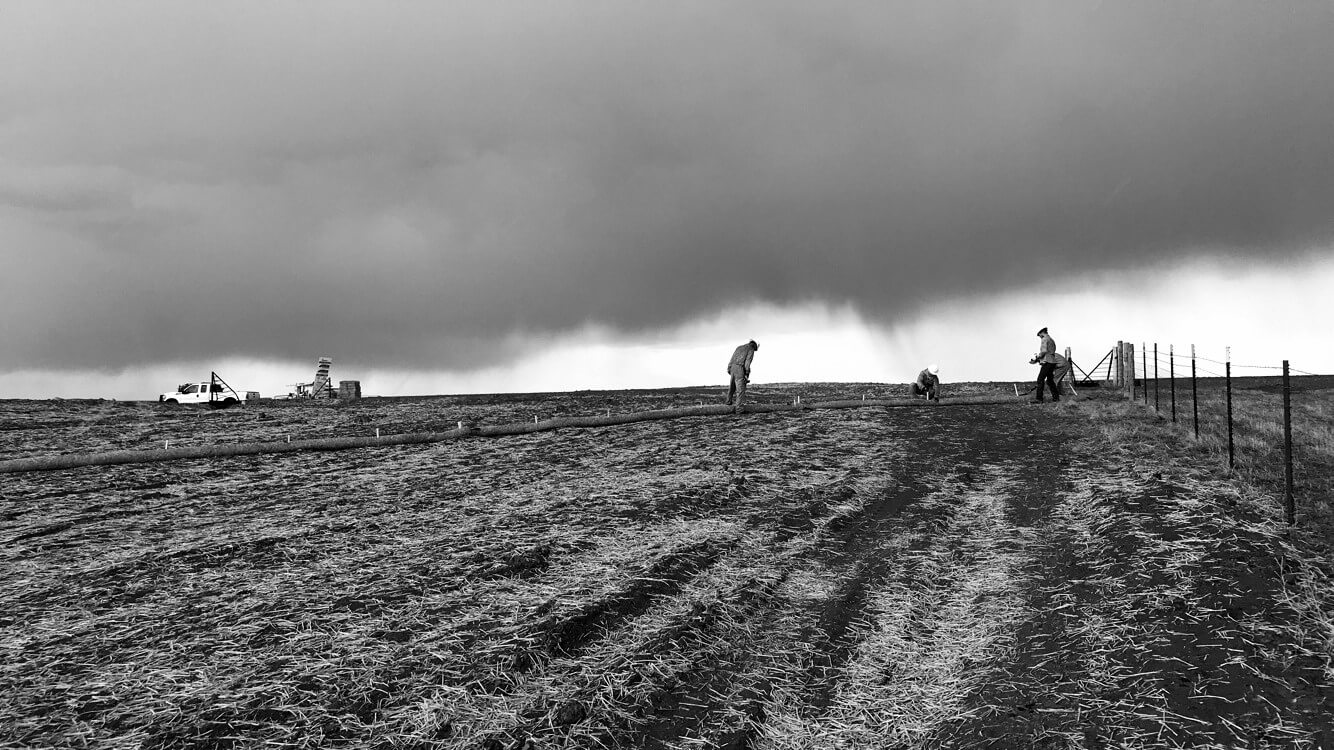
Contact Grouse Mountain Environmental Consultants today for a consultation.
Learn more about our SWPPP services.

Site Closure & Reclamation Integration

Stormwater Pollution Prevention Plan (SWPPP) Development and Reclamation Integration

In the lifecycle of a project, the transition from active construction to final stabilization is where many operators stumble. Often, the teams managing Stormwater Pollution Prevention Plans (SWPPP) and the teams executing Reclamation work in silos. However, a successful project close-out requires these two worlds to collide.

At Grouse Mountain Environmental Consultants, we specialize in Site Closure & Reclamation Integration. By aligning our stormwater compliance with our restoration goals, we ensure that your permit coverage ends as soon as your project is complete, without the lingering liability of “open” compliance files.

Reclamation Integration: Where SWPPP Meets Seeding

Successful site closure begins long before the heavy equipment leaves. It requires a collaborative transition from active Best Management Practices (BMPs) to permanent environmental solutions:

  • The “Living” Map: As construction phases end, our stormwater planning team works with our reclamation experts to identify which BMPs should stay to protect new seedlings and which can be removed to allow for final grading.

  • Functional Stabilization: We don’t just “close” a permit; we ensure the site has met the functional requirements for termination (typically 70% perennial vegetative cover) to ensure the state regulatory body (like the WDEQ) approves the closure on the first try.

  • Protecting the Investment: By integrating erosion control measures with our seeding plans, we protect your reclamation investment from being washed away in a single storm event.

The Close-Out Package: Your Documented Defense

When it’s time to terminate permit coverage, “good word” isn’t enough. You need a comprehensive Site Close-Out Package that proves the land has returned to a stable, compliant state. Our team prepares the final documentation, including:

  • Final Inspection Reports: A detailed record showing that all temporary BMPs have been removed and the site is stabilized.

  • Photo Documentation: Clear, geo-tagged visual evidence of successful vegetation establishment and drainage restoration.

  • Termination of Permit Coverage: We manage the administrative submission of the Notice of Termination (NOT), ensuring the state recognizes the project is officially complete.

Why Integration Matters for Your Bottom Line

The longer a permit stays open, the more money it costs you in inspection fees, administrative overhead, and potential liability. Integration between stormwater and reclamation means:

  1. Faster Bond Release: By meeting stabilization targets early, we speed up the process of getting your reclamation bonds returned.

  2. Reduced Liability: Closing your permit as soon as possible removes the risk of “failure to maintain” fines on a site you are no longer actively working.

  3. Seamless Administration: You don’t have to coordinate between multiple firms; GMEC handles the entire transition from the last day of construction to the first day of success.

The GMEC Difference

We are one of the few firms that provides both expert stormwater management and full-scale reclamation services. This means our “integrated” approach isn’t just a buzzword, it’s how we operate every day to ensure your site is closed out correctly, the first time.

Ready to ensure your project’s compliance?
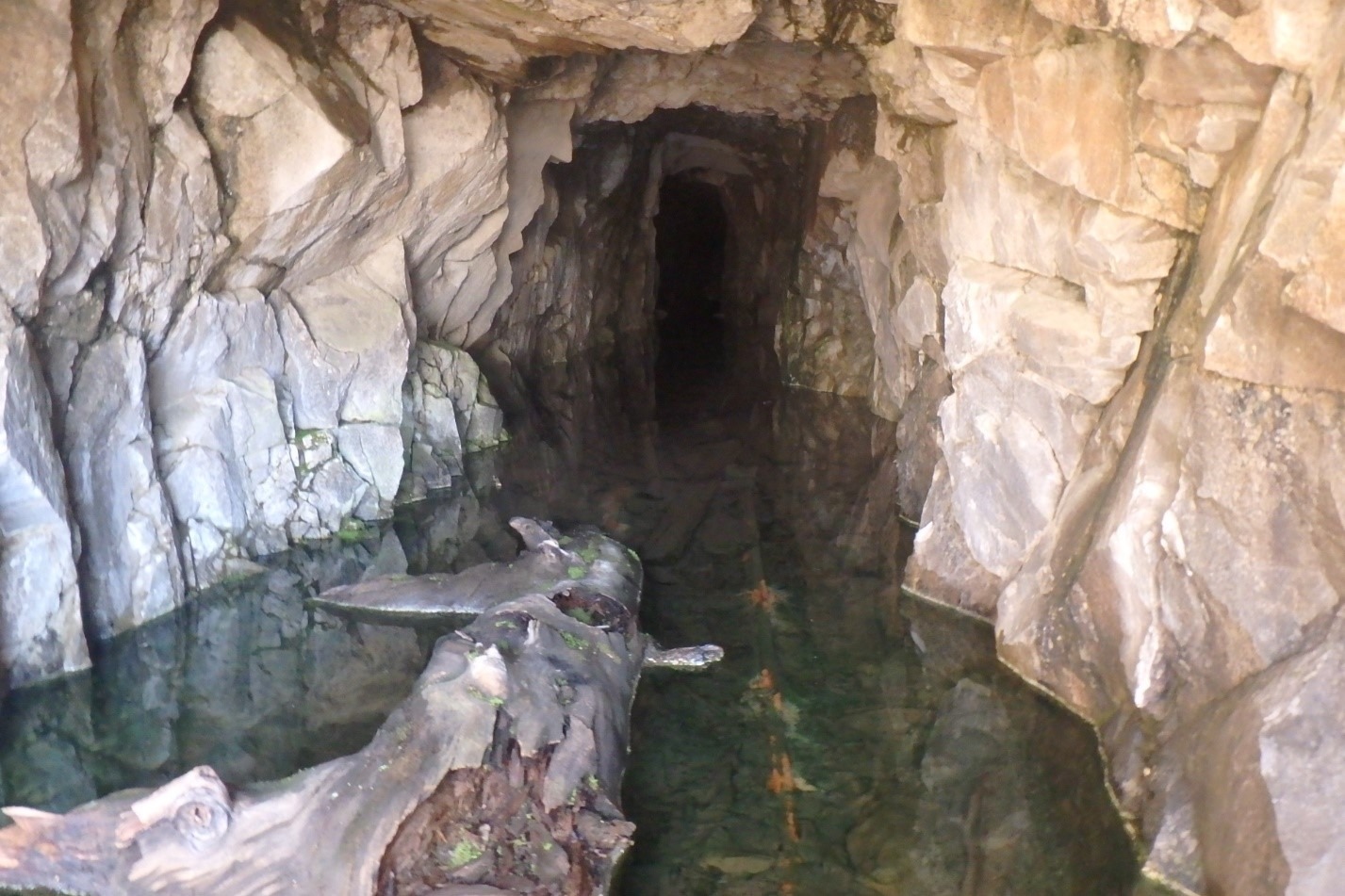
Contact Grouse Mountain Environmental Consultants today for a consultation.
Learn more about our SWPPP services.

Professional SWPPP Development & Site Map Design

Stormwater Pollution Prevention Plan SWPPP Development

In the eyes of a regulatory inspector, your Stormwater Pollution Prevention Plan (SWPPP) is more than just a binder, it’s the governing document for your site’s environmental integrity. A generic, “cookie-cutter” plan isn’t just ineffective; it’s a liability. To truly protect your project, you need a plan that is built specifically for the unique topography, climate, and footprint of your site.

At Grouse Mountain Environmental Consultants, we specialize in SWPPP Development and Site Map Design. We combine technical engineering principles with “boots-on-the-ground” field experience to create plans that are as functional in the field as they are compliant in the office.

Custom SWPPP Development: Tailored to Your Project

Every site has a different story to tell. A ridge-top well pad in Wyoming faces different drainage challenges than a pipeline corridor in the plains. We develop fully customized plans that go beyond the basic template to include:

  • Specific Project Scope: Aligning your plan with the actual activities occurring on-site.

  • Pollutant Source Identification: Pinpointing exactly where sediment, fuel, or waste could impact water quality.

  • BMP Selection: Choosing the specific Best Management Practices (BMPs) that will actually work for your soil types and expected rainfall events.

The Power of Precision: Site Map Design

A SWPPP is only as good as its map. An inspector should be able to look at your site map and understand exactly how you are protecting the watershed. Our GIS and design team creates high-accuracy maps that detail:

  • Disturbance Boundaries: Clearly defining the limits of construction to prevent unauthorized impact.

  • Topography & Flow Paths: Using contour data to predict exactly where water will move across your site during a storm.

  • Sedimentation Basins & BMP Locations: Mapping the precise placement of silt fences, wattles, and traps to maximize their effectiveness.

  • Site Layout & Staging: Indicating where equipment, stockpiles, and fueling stations are located to minimize runoff risk.

Why a Custom Plan Saves You Money

While a “fill-in-the-blank” SWPPP might seem cheaper upfront, a custom-designed plan from GMEC provides a much higher Return on Investment (ROI):

  1. Avoid Over-Engineering: We help you place BMPs where they are actually needed, preventing you from overspending on unnecessary materials.

  2. Streamline Inspections: When an agency inspector sees a professional, site-specific map, it builds immediate confidence in your operations.

  3. Minimize Maintenance: By understanding flow paths, we can place controls in locations where they are less likely to be overwhelmed or washed out, reducing repair costs.

The GMEC Difference

We don’t just hand you a plan and walk away. Our SWPPPs are designed to be “living documents”, evolving as your site changes and ensuring you stay in compliance from the first day of clearing to the final day of stabilization.

Ready to ensure your project’s compliance?

Contact Grouse Mountain Environmental Consultants today for a consultation.
Learn more about our SWPPP services.

SWPPP: Navigating the NOI and NOT Process

STORMWATER Notice of Intent (NOI) & Notice of Termination (NOT)

In environmental compliance, a project isn’t defined just by the work on the ground, but by the permits that bookend it. For any project disturbing one acre or more, the Notice of Intent (NOI) and the Notice of Termination (NOT) are the critical “open” and “close” commands of your stormwater permit. Missing a step in either can lead to significant delays, unauthorized discharge penalties, or lingering liabilities.

At Grouse Mountain Environmental Consultants, we handle the administrative heavy lifting of your Stormwater Pollution Prevention Plan (SWPPP), ensuring your project starts and ends in total compliance with state and federal regulations.

Activating Your Permit: The Notice of Intent (NOI)

The NOI is more than just a form; it is your formal commitment to the state regulatory body (such as the WDEQ in Wyoming or NMED in New Mexico) that you will manage stormwater runoff responsibly.

Our team streamlines the NOI preparation and submission process by:

  • Permit Coordination: We identify the correct general permit for your specific industry and location.

  • Technical Accuracy: We ensure all project boundaries, receiving waters, and operator details are precisely documented to avoid “return-to-sender” delays.

  • Timely Submission: We manage the filing timeline to ensure your permit is active before the first shovel hits the dirt, keeping your project schedule on track.

The Finish Line: The Notice of Termination (NOT)

Many operators make the mistake of thinking the job is done when the construction equipment leaves. However, your permit remains active, and you remain liable, until the regulatory agency accepts your Notice of Termination.

Final site close-out via the NOT requires proving that:

  • Final Stabilization is Met: Usually, this means uniform perennial vegetation has reached the required percentage of cover (often 70%) or equivalent permanent stabilization is in place.

  • BMPs are Removed: All temporary Best Management Practices (like silt fences and wattles) must be removed and properly disposed of once they are no longer needed.

  • Compliance is Documented: We provide the final inspection reports and photo documentation necessary to prove that the site no longer poses a risk to water quality.

Why Professional Permit Management Matters

Handling NOIs and NOTs internally can be a distraction from your core operations, and errors can be costly. By partnering with GMEC for your SWPPP lifecycle management, you benefit from:

  1. Reduced Liability: We ensure your NOT is filed as soon as possible, ending your legal responsibility for the site and stopping permit fees.

  2. Regulatory Credibility: Our history of accurate, professional submissions builds trust with agency reviewers.

  3. Seamless Transitions: We bridge the gap between construction, reclamation, and final termination, ensuring no data is lost in the handoff.

The GMEC Difference

We don’t just write plans; we manage the entire regulatory lifespan of your project. From the day you “Notice the Intent” to the day you “Notice the Termination,” our team is there to ensure your environmental record remains spotless.

Ready to ensure your project’s compliance?
Contact Grouse Mountain Environmental Consultants today for a consultation.
Learn more about our SWPPP services.

Remediation & Site Cleanup

site remediation and cleanup

When a site is impacted by historical contamination or accidental spills, the clock starts ticking. Unaddressed soil or groundwater issues don’t just threaten the environment; they threaten your project’s timeline, its budget, and its regulatory standing. Managing these “legacy” issues requires more than just a cleanup crew, it requires a strategic partner who understands the science of soil and the intricacies of the law.

At Grouse Mountain Environmental Consultants, we specialize in Site Remediation & Cleanup. We provide a clear, defensible path forward, turning contaminated liabilities back into productive, compliant land assets.

A Data-Driven Approach to Site Remediation & Soil Recovery

Cleanup is only effective when it is precise. We use advanced field techniques to ensure that remediation is targeted and cost-effective:

  • Contaminated Soil Delineation: We don’t guess where the impact ends. Using professional sampling and GIS mapping, we create a precise 3D picture of the contamination, ensuring you only move the soil that actually needs to be moved.

  • Removal & Capping: Depending on the project goals and regulatory requirements, we manage the safe excavation and removal of impacted materials or design engineered capping solutions that isolate contaminants and prevent future exposure.

  • Re-Vegetation Support: Remediation isn’t finished until the land is restored. We bridge the gap between “cleanup” and “reclamation,” preparing the remediated site for native seeding and long-term stability.

Navigating Environmental Regulations

Remediation is rarely a solo effort. It involves a complex web of stakeholders and strict reporting requirements. Our team acts as your primary advocate, managing:

  • Agency Coordination: We lead the “digital handshake” with agencies like the WDEQ, EPA, or BLM, ensuring all sampling protocols and cleanup levels meet their specific mandates.

  • Third-Party Contractor Oversight: We provide the technical direction for earth-moving and disposal crews, ensuring that the work done on the ground matches the requirements of the remediation plan.

  • Documented Compliance: We provide the final reports and data packages necessary to prove the site is clean, facilitating a “No Further Action” (NFA) status or successful bond release.

Why Expertise Matters in Cleanup

In remediation, “good enough” is a major risk. An incomplete cleanup can lead to re-contamination or future legal liabilities. By choosing an expert-led remediation strategy, you ensure:

  1. Cost Control: Precise delineation prevents the “over-excavation” of clean soil, saving thousands in haulage and disposal fees.

  2. Regulatory Confidence: Our reports are built to withstand agency scrutiny, reducing the risk of “back-and-forth” delays.

  3. Speed to Close-Out: We focus on the fastest path to a clean site, allowing you to move on to the next phase of your project.

The GMEC Difference

Our remediation specialists don’t just see a problem; they see a solution. By combining technical field expertise with a deep understanding of western regulatory standards, we ensure your site is handled with the highest level of professional care.

Ready to ensure your project’s compliance?
Contact Grouse Mountain Environmental Consultants today for a consultation.
Learn more about our reclamation & remediation services.

Keeping the Ground in Place: Effective Erosion and Sediment Control

Erosion & Sediment Control Implementation

On any project site, water and wind are your biggest challenges. Without a proactive strategy, a single storm event can wash away expensive topsoil, clog nearby drainages, and lead to costly regulatory fines. In the rugged terrain of the West, “Standard” solutions often fall short, you need a plan that actually holds up when the weather hits.

At Grouse Mountain Environmental Consultants, we specialize in the professional implementation of Erosion and Sediment Control. We don’t just drop off materials; we design and install field-tested systems that keep your project compliant and your soil where it belongs.

Strategic Field Installation of BMPs

Best Management Practices (BMPs) are only effective if they are installed correctly for the specific topography of your site. Our field teams are experts in the strategic placement and installation of:

  • Wattles & Silt Fences: Creating effective perimeter controls to filter runoff and keep sediment on-site.

  • Sediment Traps & Basins: Designing temporary collection areas to allow sediment to settle out of water before it leaves the limits of disturbance.

  • Check Dams: Utilizing rock or fiber logs in channels to reduce water velocity and prevent gully erosion.

  • Inlet Protection: Safeguarding culverts and drainage structures from sediment buildup during construction.

Long-Term Stabilization for Challenging Surfaces

Construction is temporary, but the need for stability is permanent. For slopes, channels, and heavily disturbed surfaces, we implement stabilization strategies that bridge the gap between initial disturbance and final vegetation:

  • Slope Stabilization: Utilizing erosion control blankets and tackifiers to lock down soil on steep grades where seeding is most vulnerable.

  • Channel Lining: Protecting high-flow areas with turf reinforcement mats or rip-rap to prevent scouring.

  • Surface Roughening: Implementing mechanical techniques to slow down runoff and create “micro-sites” that encourage seed germination.

Why Sediment Control Implementation Matters for Compliance

Regulatory agencies like the WDEQ and EPA don’t just look for a SWPPP (Stormwater Pollution Prevention Plan) on paper, they look for effective implementation in the field. Poorly installed BMPs are often viewed the same as having no controls at all. By choosing a professional installation team, you:

  1. Minimize Maintenance: Correct installation means BMPs last longer and require fewer repairs after rain events.

  2. Protect Water Quality: Prevent “track-out” and sedimentation in local watersheds, keeping you in good standing with state and federal inspectors.

  3. Ensure Project Continuity: Avoid “stop-work” orders or corrective action notices that can derail your timeline.

The GMEC Difference

Our erosion control specialists work alongside our reclamation teams to ensure that our “temporary” controls actually support the “permanent” goal: successful vegetation. We understand the soil, the slopes, and the stakes.

Ready to ensure your project’s compliance?
Contact Grouse Mountain Environmental Consultants today for a consultation.
Learn more about our reclamation & remediation services.

Seeding & Vegetation Establishment

Seeding & Vegetation Establishment

In the western United States, planting a seed is easy; getting it to grow is the challenge. High winds, unpredictable moisture, and varied soil chemistry mean that “off-the-shelf” reclamation strategies rarely succeed. For a project to reach final bond release, you need a vegetation plan that accounts for the specific ecology of the site.

At Grouse Mountain Environmental Consultants, we treat Seeding and Vegetation Establishment as a site-specific science. We don’t just toss seed on the ground, we design and execute plans that turn disturbed sites back into productive ecosystems.

Custom Seed Mixes: Beyond the “One-Size-Fits-All” Bag

The foundation of successful reclamation is the seed mix. Using the wrong species isn’t just a waste of budget, it can lead to total project failure. We build custom seed mixes based on three critical factors:

  • Ecosite & Climate: We select native species adapted to your specific elevation, rainfall, and temperature patterns.

  • Soil Chemistry: Using our soil testing data, we pick plants that thrive in your site’s specific pH and salinity levels.

  • Project Goals: Whether the priority is rapid stabilization, sage-grouse habitat restoration, or livestock forage, we tailor the mix to meet the desired end-use.

Precision Application: The Right Tool for the Terrain

How the seed is put in the ground is just as important as the seed itself. Depending on the slope, soil texture, and accessibility of your site, we utilize various application methods:

  • Drill Seeding: Ideal for flat or gently sloping terrain, placing seed at the exact depth required for maximum germination.

  • Broadcast Seeding: Used in rocky or steep areas where machinery can’t reach, often followed by raking or dragging to ensure seed-to-soil contact.

  • Erosion Control & Stabilization: To protect your investment, we utilize mulching, tackifiers, and erosion control blankets. These tools lock the seed in place, retain moisture, and prevent the soil from washing away during the first critical growing season.

Why Professionals Make the Difference

Vegetation establishment is the “final exam” of any reclamation project. Success means meeting the percentage-cover requirements of the BLM, WDEQ, or other regulatory bodies. By choosing an expert-led approach, you reduce the need for expensive re-seeding and move your project toward final close-out with confidence.

The GMEC Difference

Our team doesn’t just walk away once the seed is in the ground. We understand the lifecycle of a reclaimed site, monitoring growth and adjusting strategies to ensure the vegetation becomes a self-sustaining part of the landscape.

Ready to ensure your project’s compliance?
Contact Grouse Mountain Environmental Consultants today for a consultation.
Learn more about our reclamation & remediation services.

Protecting Your Greatest Asset: The Science of Topsoil Management

Topsoil Management & Soil Placement Strategy

In the arid landscapes of the West, topsoil isn’t just dirt, it’s a biological bank account. Once it’s lost or degraded, the “interest” (vegetation) stops growing, and reclamation costs skyrocket. For any energy or infrastructure project, the difference between a successful close-out and a failed site often comes down to how you handle the first few inches of earth.

At Grouse Mountain Environmental Consultants, we treat Topsoil Management as a precision science. By focusing on salvage, testing, and strategic placement, we ensure your project preserves the nutrients and microorganisms necessary for long-term site stability.

Salvage and Segregation: Preserving the “Seed Bank”

The best seed mix in the world can’t compete with the native seed bank already present in your site’s topsoil. Our approach starts with careful salvage and segregation protocols:

  • Strategic Stripping: We identify and separate the nutrient-rich topsoil layer from the sterile subsoil during initial disturbance.

  • Smart Stockpiling: We design stockpiles to minimize compaction and maintain aerobic conditions, keeping the “living” part of the soil alive while it waits for redistribution.

  • Contamination Prevention: Clear segregation ensures that subsoil salts or rocks don’t mix with your high-quality growth medium.

Data-Driven Placement: Testing and Amendments

“Spreading the dirt back out” is only half the battle. To ensure vegetation takes hold, we use soil stability analysis and testing to guide our placement planning:

  • Soil Testing: We analyze pH, salinity, and nutrient levels to understand exactly what the soil needs to succeed.

  • Amendment Optimization: Instead of guessing, we use data to recommend the precise amount of organic matter, mulch, or fertilizer needed to jumpstart the ecosystem.

  • Placement Planning: We calculate exact depths and distribution patterns to ensure the landscape is stable and ready for seeding, even on challenging slopes.

Why Topsoil Management & Strategic Redistribution Matters

Poor topsoil management leads to erosion, invasive species, and repeated seeding attempts. By investing in a strategic redistribution plan, you:

  1. Speed Up Bond Release: Healthy soil grows native plants faster, meeting agency requirements sooner.

  2. Reduce Erosion Risk: Stable, well-placed soil stays where it’s put, protecting nearby watersheds and infrastructure.

  3. Lower Long-Term Costs: It is much cheaper to manage topsoil correctly the first time than to haul in “clean fill” or re-seed a failed site.

The GMEC Difference

Our reclamation teams work hand-in-hand with our field biologists to ensure that the soil we manage today is ready to support the wildlife habitat of tomorrow. We don’t just move earth; we manage the foundation of your project’s success.

Ready to ensure your project’s compliance?
Contact Grouse Mountain Environmental Consultants today for a consultation.
Learn more about our reclamation & remediation services.

Beyond Just “Greening Up”: The Power of Integrated Reclamation Planning

Integrated Reclamation Planning

In the Rocky Mountain and Great Plains regions, successful reclamation is about more than just getting seed to grow. It’s about restoring the functional character of the land, ensuring that after a project is complete, the ecosystem works exactly the way it should.

At Grouse Mountain Environmental Consultants, we specialize in Integrated Reclamation Planning. We don’t believe in a one-size-fits-all approach. Instead, we design reclamation strategies that are as unique as the soil they are built on, ensuring long-term stability and faster bond release for our clients.

Plans Built for the Ground You’re On

Integrated reclamation planning for a high-desert basin in New Mexico looks very different from one for the rolling grasslands of Wyoming. We start every project by looking at the specific variables of your site:

  • Soil Conditions: We analyze soil chemistry and structure to determine exactly what amendments are needed to support life.

  • Project Scope: Whether it’s a small-mine operation or a massive pipeline corridor, we scale the plan to fit the disturbance.

  • Vegetation Objectives: We select seed mixes and planting techniques that align with your specific goals—whether that’s stabilizing a steep slope or restoring a native prairie.

Restoring Function, Not Just Appearance

The best integrated reclamation planning account for the way the land will be used for decades to come. By using an integrated approach, we look at the big picture of land health:

  • Wildlife Habitat: We design seed mixes and terrain features that provide cover and forage for local species, from big game to pollinators.

  • Grazing Integration: For projects on working lands, we ensure the reclaimed areas can eventually support livestock and coexist with ranching operations.

  • Hydrologic Function: We focus on erosion control and water infiltration, ensuring the landscape manages moisture naturally and prevents sedimentation in nearby watersheds.

Why Integrated Reclamation Planning Matters for Your Bottom Line

Integrated planning isn’t just better for the environment; it’s better for your project’s budget. By addressing soil health, hydrology, and land use simultaneously, we reduce the risk of reclamation failure. This means fewer “re-dos,” faster vegetation establishment, and a smoother path toward final bond release and regulatory sign-off.

The GMEC Difference

Our reclamation specialists work alongside our GIS and wildlife teams to ensure every plan is backed by data and regional expertise. We aren’t just looking at the surface; we’re looking at the long-term success of the landscape.

Ready to ensure your project’s compliance?

Contact Grouse Mountain Environmental Consultants today for a consultation.
Learn more about our reclamation & remediation services.

GET IN TOUCH

You can find us in the office weekdays from 8am-5pm or call anytime.

P: 307.684.2112

Grouse Mountain Headquarters

760 West Fetterman Street
Buffalo, WY 82834

Grouse Mountain New Mexico

3600 Cerrillos Rd, Ste 407
Santa Fe, NM 87507

Send us a message or inquire on your next project.

  • This field is for validation purposes and should be left unchanged.
