
C&D Landfill Permitting in Wyoming & South Dakota

C&D Landfill Permitting

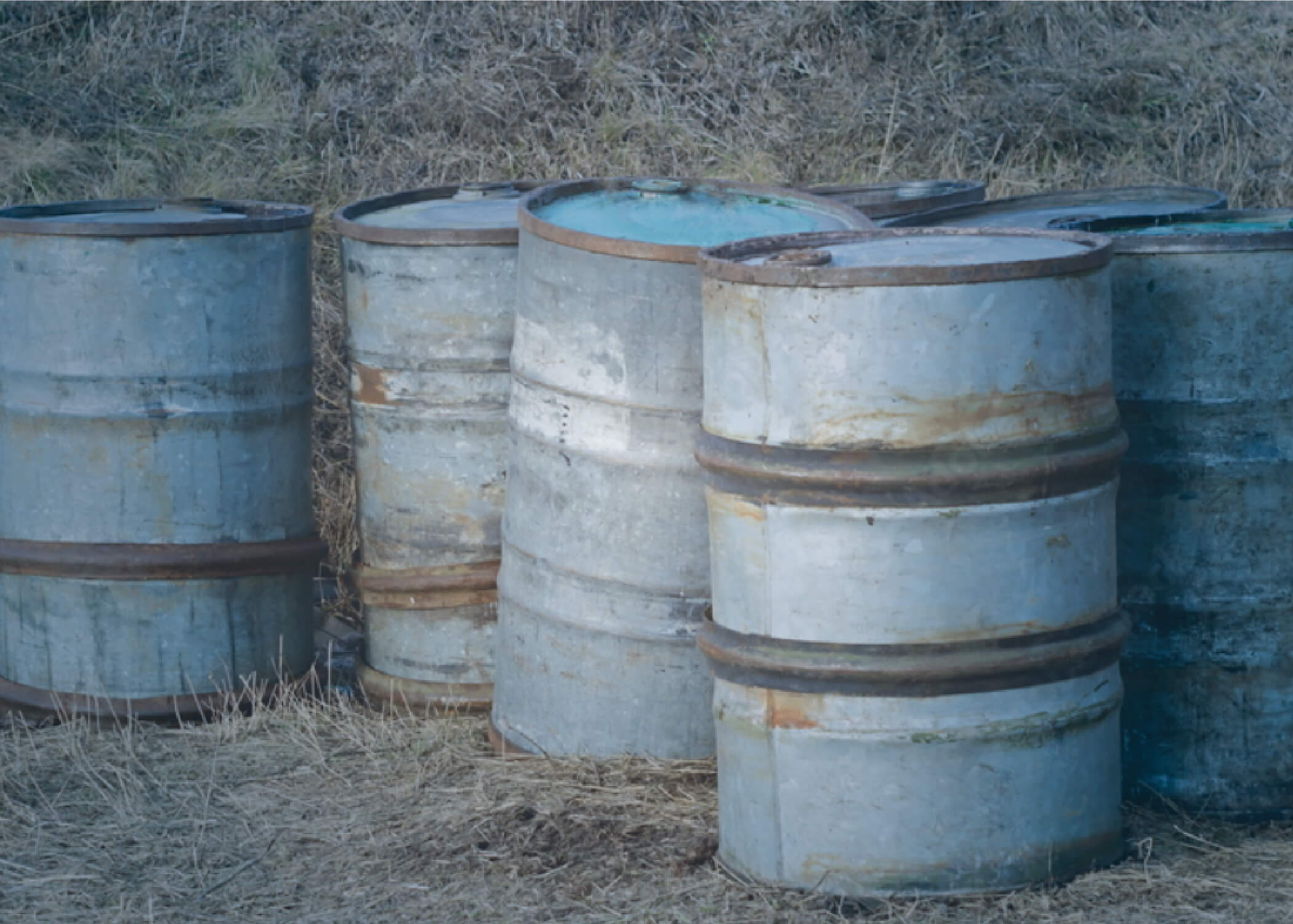
As infrastructure and residential development continue to expand across the Mountain West, the demand for dedicated disposal space is at an all-time high. However, establishing a Construction and Demolition (C&D) Landfill is a multi-year regulatory marathon. In Wyoming and South Dakota, the “right to operate” depends on a permit that balances engineering feasibility with the long-term protection of groundwater and local ecosystems.

At Grouse Mountain Environmental Consultants, we provide full-service C&D Landfill Permitting support. We bridge the gap between your operational goals and the rigorous standards of the Wyoming Department of Environmental Quality (WDEQ) and the South Dakota Department of Agriculture and Natural Resources (DANR).

Comprehensive Site Design & Engineering Alignment

A successful C&D landfill permit begins long before the application is filed. It starts with a site that works. We provide the technical foundation for your facility:

  • Hydrogeologic Site Characterization: We conduct the subsurface investigations needed to understand soil permeability and depth to groundwater; the two most critical factors in landfill siting.

  • Cell Layout & Capacity Planning: We design site layouts that maximize your “airspace” while ensuring stable slopes and efficient cell rotation.

  • Stormwater & Erosion Control: C&D sites are high-disturbance areas. We develop integrated drainage plans to manage runoff and prevent off-site sediment migration.

Navigating the Application & Regulatory Negotiation

The permitting process in Wyoming and South Dakota involves more than just filling out forms; it requires a deep understanding of state-specific “Chapter 2” or “Article 74” solid waste rules. We manage the administrative heavy lifting:

  • Application Preparation: Drafting the comprehensive “Plan of Operation” and technical specifications required for a new installation or a major permit renewal.

  • Regulatory Negotiation: We act as your primary technical advocate during the “Notice of Violation” or “Request for Information” (RFI) cycles, negotiating permit conditions that are both compliant and operationally practical.

  • Public Participation Support: We assist with the public notice and hearing processes, ensuring that community concerns are addressed with transparent, data-backed evidence.

Long-Term Monitoring & Compliance Planning

A C&D permit is a lifetime commitment to environmental stewardship. We design the systems that protect your operation from future liability:

  • Groundwater Monitoring Plans: We install and manage monitoring well networks, establishing the “baseline” water quality and providing the ongoing sampling required by your permit.

  • Methane & Air Monitoring: For larger sites, we develop the protocols needed to monitor for subsurface gas migration and dust control.

  • Financial Assurance Support: We help you calculate and secure the necessary “closure and post-closure” bonds, ensuring your financial obligations are accurately valued.

Why Regional Expertise Matters in Landfill Permitting

The geological and regulatory landscape of Wyoming and South Dakota is unique. By partnering with GMEC, you gain:

  1. State-Specific Knowledge: We understand the nuances of the WDEQ Solid Waste Permitting process and the SD DANR requirements, preventing the “rookie mistakes” that lead to multi-month delays.

  2. Defensible Site Selection: Our data-driven approach ensures your landfill is sited in a location that minimizes environmental risk and maximizes long-term operational viability.

  3. Streamlined Approvals: By submitting “audit-ready” applications from day one, we reduce the back-and-forth with regulators and get your facility into production faster.

The GMEC Difference

We don’t just “apply for permits”, we build the roadmap for your facility’s entire lifecycle. Our team combines technical environmental science with a practical understanding of the construction and waste industries, ensuring your C&D landfill is a compliant and profitable asset for decades to come.

Ready to ensure your project’s compliance?
Contact Grouse Mountain Environmental Consultants today for a consultation.
Learn more about our waste management services.

From Waste to Resource: Strategic Beneficial Use Determination Support

Beneficial Use Determination Support

Waste is increasingly being redefined as a “byproduct” or a “secondary resource.” Whether it’s spent foundry sand, fly ash, or recycled concrete, many materials once destined for a landfill have significant value for construction, manufacturing, or soil amendment. However, the bridge between a waste pile and a marketable resource is a rigorous legal and technical process known as a Beneficial Use Determination (BUD).

At Grouse Mountain Environmental Consultants, we specialize in Beneficial Use Determination Support. we help industrial operators and developers navigate the complex regulatory frameworks required to divert materials from the waste stream and integrate them back into the economy.

Evaluating Material Reuse Options

The first step in any reuse project is a technical “reality check.” Not every material is a candidate for reuse, and the risks of misclassification are high. We provide a comprehensive evaluation under both state (WDEQ, CDPHE, etc.) and federal frameworks:

  • Physical & Chemical Characterization: We conduct laboratory analysis to ensure the material is non-hazardous and physically suited for its intended new purpose.

  • Comparative Risk Assessment: We evaluate whether the proposed “beneficial use” poses any greater risk to human health or the environment than the use of a virgin material.

  • Market-Ready Analysis: We identify existing regional exemptions and “pre-determined” beneficial uses that can fast-track your project.

Navigating the Regulatory Interface

Securing a BUD is a documentation-intensive process that requires a strong relationship with environmental regulators. A missing data point or a vague application can stall a reuse project for months. We manage the administrative lifecycle, including:

  • BUD Application Preparation: Drafting technical justifications that prove your material provides a functional benefit and meets all environmental safety standards.

  • Regulatory Coordination: We act as your technical liaison with state agencies, managing the back-and-forth “Request for Information” (RFI) process to keep your designation on track.

  • Compliance Documentation: We develop the recordkeeping systems needed to track the volume, destination, and final placement of your repurposed materials.

Why Pursue a Beneficial Use Designation?

Diverting material from a landfill isn’t just good for the environment; it is a strategic business decision. By partnering with GMEC for BUD support, you gain:

  1. Reduced Disposal Costs: Landfill tipping fees and transportation costs can be one of the largest line items in an industrial budget. Repurposing material often turns a cost center into a cost-neutral or even profitable operation.

  2. Sustainability Leadership: Successfully implementing a reuse program provides tangible data for your Corporate Social Responsibility (CSR) and ESG reporting.

  3. Long-Term Liability Reduction: By legally reclassifying a material as a “product” rather than a “waste,” you move your operations out of the high-stakes world of waste management regulations.

The GMEC Difference

We understand the industrial heritage and the logistical challenges of the Mountain West. Our team combines technical environmental science with a practical, solutions-oriented approach to waste management. We don’t just tell you what the regulations are; we show you how to work within them to maximize the value of your materials.

Ready to ensure your project’s compliance?

Contact Grouse Mountain Environmental Consultants today for a consultation.
Learn more about our waste management services.

Hazardous Waste (RCRA) Compliance Support

Waste Management

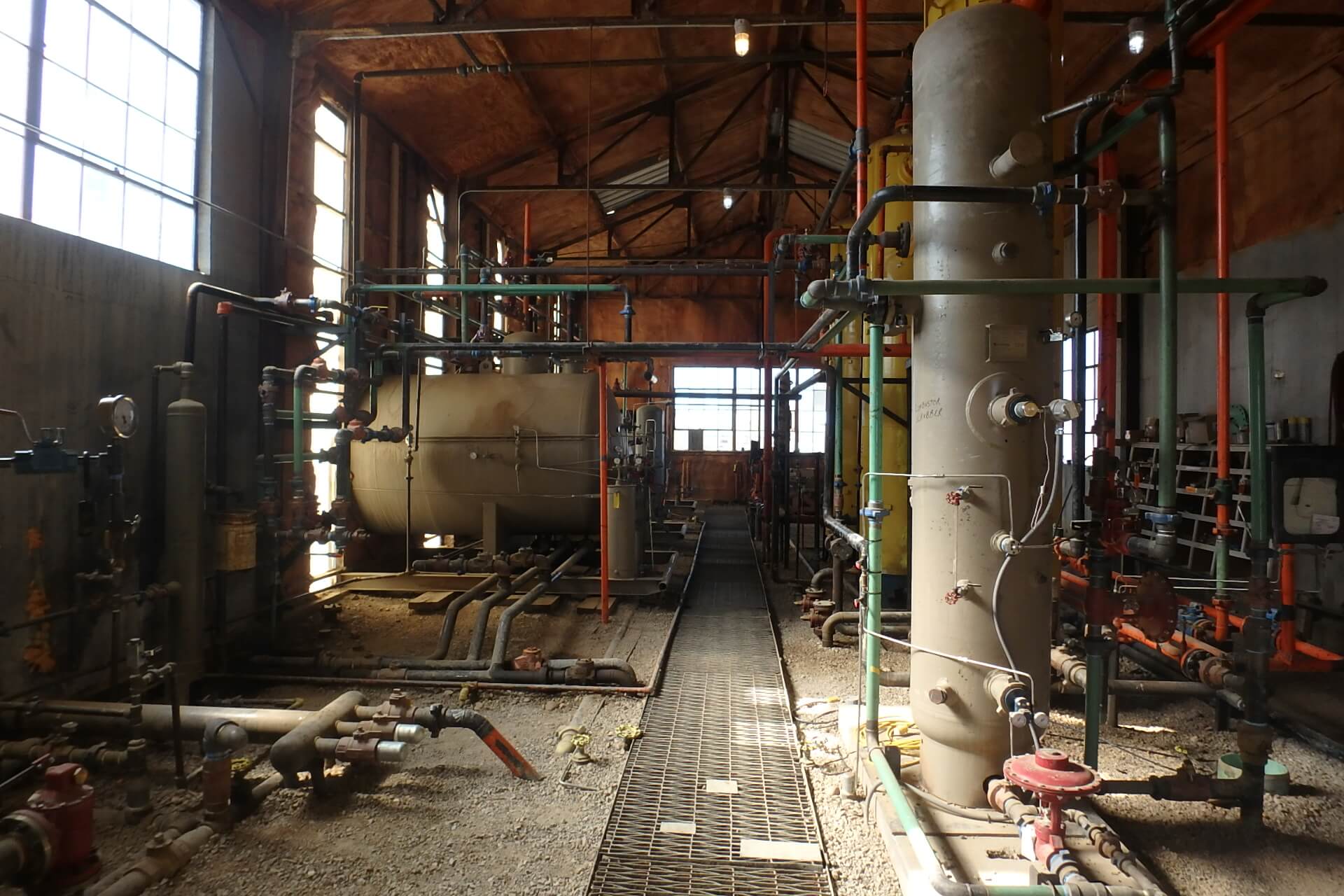
For industrial operators, “hazardous waste” is more than a byproduct, it is a significant regulatory responsibility. Under the Resource Conservation and Recovery Act (RCRA), the Environmental Protection Agency (EPA) tracks hazardous waste from “cradle to grave.” This means your liability doesn’t end when the waste leaves your facility; it follows the material until it is properly treated or disposed of.

At Grouse Mountain Environmental Consultants, we provide tailored RCRA Compliance Support to help you manage this lifecycle. Whether you are a small-quantity generator or a large industrial facility, we ensure your operations remain safe, compliant, and audit-ready.

Tailored Support for Every Stage of the Waste Stream

RCRA requirements vary significantly depending on your facility’s “generator status.” We provide specialized guidance to ensure you are meeting the specific obligations for:

  • Waste Stream Classification: The foundation of compliance is knowing exactly what you have. We perform rigorous characterization and laboratory analysis to determine if your waste is “listed” or “characteristic” (ignitable, corrosive, reactive, or toxic).

  • Generator Obligations: From accumulation time limits to secondary containment and satellite accumulation area (SAA) management, we build the protocols that keep your shop floor compliant.

  • Transporter & Disposal Coordination: We assist in the selection and vetting of TSDFs (Treatment, Storage, and Disposal Facilities) and ensure all manifests and “Land Disposal Restrictions” (LDR) notifications are technically accurate.

Building a “Culture of Compliance”: On-Site Audits & Training

Paperwork is only half the battle. True compliance happens on the ground. GMEC provides the tools and expertise to bridge the gap between regulations and daily operations:

  • On-Site Compliance Audits: We conduct “mock inspections” to identify potential red flags such as open containers, missing labels, or inadequate aisle space before a state or federal inspector arrives.

  • Customized Employee Training: RCRA requires that personnel are “thoroughly familiar” with waste handling and emergency procedures. We provide site-specific training that is practical, engaging, and fully documented.

  • Recordkeeping Systems: We design digital or physical tracking systems for your manifests, biennial reports, and inspection logs, ensuring you can produce any required document in minutes during an audit.

Why Professional RCRA Support is a Business Essential

The cost of a single RCRA violation can far exceed the cost of a year of proactive consulting. By partnering with GMEC, you gain:

  1. Reduced Liability: Our “cradle-to-grave” oversight ensures that your waste is handled by reputable vendors and documented at every hand-off.

  2. Regulatory Interface: If an agency does issue a “Notice of Violation” (NOV), we act as your technical advocate, working with regulators to develop a Corrective Action plan that minimizes fines and operational disruptions.

  3. Operational Efficiency: Proper waste classification often reveals opportunities for “waste minimization” or recycling, potentially moving your facility to a lower (and less regulated) generator status.

The GMEC Difference

We don’t just quote regulations; we solve problems. Our team understands the unique waste streams generated by the energy, mining, and manufacturing sectors in the Mountain West. We provide the technical depth of a national firm with the responsiveness of a local partner.

Ready to ensure your project’s compliance?
Contact Grouse Mountain Environmental Consultants today for a consultation.
Learn more about our waste management services.

Phase I ESA Report Preparation & Liability Analysis

Phase I ESA report

In the final stages of a real estate transaction, the Phase I Environmental Site Assessment (ESA) report is more than just a summary of findings, it is a legal instrument. For lenders, it’s a prerequisite for financing; for buyers, it’s the shield that provides “All Appropriate Inquiries” (AAI) protection under CERCLA. When millions of dollars in property and potential cleanup costs are on the line, the clarity and defensibility of your environmental report are paramount.

At Grouse Mountain Environmental Consultants, we specialize in Phase I ESA Report Preparation and Liability Analysis, providing the professional opinions you need to close with confidence.

A Defensible Record: ASTM E1527-21 Compliance

A “cheap” report that misses the latest industry standards is a liability in itself. Our Phase I ESA reports are rigorously developed to meet the most recent ASTM E1527-21 and EPA AAI standards, ensuring they stand up to the scrutiny of both regulators and major financial institutions.

Each comprehensive GMEC report includes:

  • Detailed Site History: A chronological reconstruction of the property’s usage, from original development to the present day.

  • Findings & RECs: A clear, prioritized list of Recognized Environmental Conditions (RECs), Controlled RECs, and Historical RECs identified during our research and site reconnaissance.

  • Professional Opinion: A high-level assessment from an Environmental Professional (EP) regarding the impact of these findings on the property’s liability profile.

  • Vapor Encroachment Screening: An evaluation of whether subsurface contaminants from nearby sites could pose an indoor air quality risk to your facility.

Navigating the “Next Steps”: From Phase I to Phase II

If a Phase I ESA reveals the presence of a REC, the story doesn’t have to end in a “no-go” decision. Often, the identification of a potential issue is simply the trigger for more focused data collection.

If our report indicates a need for further investigation, GMEC is fully equipped to proceed immediately with a Phase II ESA, including:

  • Subsurface Sampling: Utilizing drill rigs or hand-augers to collect physical samples from the areas of concern identified in the Phase I.

  • Soil & Groundwater Testing: Laboratory analysis to determine if contaminant concentrations exceed state or federal “action levels.”

  • Soil Gas & Vapor Intrusion Screening: Testing the “air space” between soil particles to ensure hazardous vapors aren’t migrating into building footprints.

Why Liability Analysis is a Strategic Investment

Environmental due diligence isn’t just about finding “dirt”, it’s about quantifying risk. By partnering with GMEC, you gain:

  1. Negotiation Leverage: Knowing the exact nature of a REC allows you to negotiate purchase prices or escrow “holdbacks” to cover future remediation costs.

  2. Lender Acceptance: Our reports are recognized by regional and national lenders for their technical depth and adherence to banking standards.

  3. Seamless Transitions: Because we handle both Phase I and Phase II services, there is no “knowledge gap” or delay when moving from a desktop study to active field sampling.

The GMEC Difference

We don’t leave you with a “maybe.” Our reports provide clear, actionable conclusions backed by the technical expertise of the Mountain West’s leading environmental consultants. We tell you what we found, what it means for your liability, and exactly how to fix it.

Ready to ensure your project’s compliance?
Contact Grouse Mountain Environmental Consultants today for a consultation.
Learn more about our Phase I ESA services.

Boots on the Ground: The Critical Role of Phase I ESA Site Reconnaissance

Phase I ESA Site Reconnaissance

A database search can tell you what was permitted at a property twenty years ago, but it can’t tell you what is leaking today. While historical records provide the “biography” of a site, the Phase I ESA Site Reconnaissance and Walk-Through provides the current reality. It is the moment where theory meets the terrain, and where an experienced environmental professional identifies the physical evidence of potential liability.

At Grouse Mountain Environmental Consultants, our Phase I ESA Site Reconnaissance is a meticulous, boots-on-the-ground examination designed to protect your investment from hidden environmental risks.

The Visual Inspection: Spotting the Red Flags

During a Phase I Environmental Site Assessment (ESA), our team performs a systematic visual inspection of the entire property. We aren’t just looking at the buildings; we are looking for the “signatures” of chemical impact and industrial mismanagement:

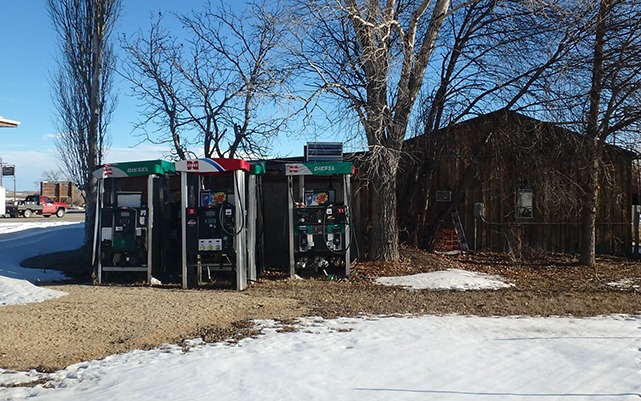
  • Storage Tanks & Piping: We inspect for vent pipes, fill ports, and manways that indicate underground storage tanks (USTs), as well as the secondary containment and integrity of aboveground tanks (ASTs).

  • Chemical Handling & Drum Storage: We evaluate how hazardous materials are being staged. Are drums labeled? Are they sitting on bare dirt or a cracked concrete pad? Is there evidence of “orphan” containers?

  • Staining & Distressed Vegetation: Discolored soil or a patch of dead grass in an otherwise green field can be a primary indicator of a historic spill or ongoing leak that hasn’t been reported.

  • Floor Drains & Sumps: We trace where fluids go. In older industrial buildings, floor drains often lead to dry wells or outfalls that can create significant subsurface liability.

Aligning Field Observations with Desktop Findings

The site walk-through is the ultimate “fact-check” for the Desktop Study. We use our time on-site to verify that the historical maps match the current infrastructure:

  • Verifying Removals: If a record states a tank was “removed,” we look for the physical evidence of that removal, such as patched asphalt or vent pipe scars, to ensure the closure was handled correctly.

  • Infrastructure Assessment: We examine transformers for “PCB” labels and inspect building materials for potential asbestos or lead-based paint indicators that could impact future renovation or demolition costs.

  • Adjacent Property Observation: We observe neighboring activities from the property line. A nearby gas station or dry cleaner can pose a migration risk to your site through groundwater or vapor intrusion.

Why a Professional Walk-Through is Essential

Real estate transactions move fast, but environmental liabilities last for decades. By partnering with GMEC for your Phase I reconnaissance, you gain:

  1. Expert Interpretation: Our professionals know the difference between a minor “de minimis” oil drip and a “Recognized Environmental Condition” (REC) that requires a Phase II investigation.

  2. ASTM E1527-21 Compliance: Our site visits are conducted to the highest industry standards, ensuring your “All Appropriate Inquiries” (AAI) are defensible in court or at the closing table.

  3. Actionable Intelligence: We provide a clear, photographic record of our findings, giving you the leverage you need during price negotiations or for securing environmental insurance.

The GMEC Difference

We don’t just “walk the line.” Our team has a deep understanding of the industrial and energy infrastructure unique to the Mountain West. We know what a well-maintained site looks like—and we definitely know how to spot one that isn’t.

Ready to ensure your project’s compliance?

Contact Grouse Mountain Environmental Consultants today for a consultation.
Learn more about our Phase I ESA services.

Phase I Desktop Study & Records Review

Phase I ESA Services

In any real estate or industrial transaction, what you don’t see is often more important than what you do. Surface-level inspections can miss decades of underground storage, chemical handling, or off-site migration from a neighboring property. To protect your investment and secure liability protections under CERCLA, a rigorous Phase I Environmental Site Assessment (ESA) is the industry standard.

The foundation of a defensible Phase I ESA is the Desktop Study and Records Review. At Grouse Mountain Environmental Consultants, we go beyond the basic database pull to uncover the historical truth of a property.

Connecting the Dots: Historical Research & Aerial Reviews

A property’s current use rarely tells the whole story. Our desktop study reconstructs the “environmental biography” of a site through multiple historical lenses:

  • Historical Property-Use Research: We analyze Sanborn Fire Insurance maps, city directories, and chain-of-title documents to identify previous occupants, from long-forgotten dry cleaners to heavy industrial manufacturers.

  • Aerial Photo Review: By examining a chronological sequence of aerial photographs, we can spot “signatures” of past disturbance, such as former lagoons, discarded drum piles, or old staining that has since been built over.

  • Environmental Database Searches: We perform a comprehensive sweep of federal, state, and local records (including EPA, WDEQ, or CDPHE databases) to identify registered tanks, reported spills, and nearby remediation sites.

Identifying RECs and Adjacent Property Risks

The primary goal of the records review is to identify Recognized Environmental Conditions (RECs); the presence or likely presence of hazardous substances or petroleum products in, on, or at a property.

  • On-Site Liability: We pinpoint specific areas of concern, such as former shop drains or historical fuel islands, that require closer inspection.

  • Vapor Intrusion & Migration: Contamination doesn’t respect property lines. We evaluate adjacent property risks to determine if a neighboring plume could be migrating onto your site, creating a potential “off-site” liability.

The Human Element: Interviews & Operational History

Records only tell part of the story. To get a complete picture, we conduct structured Interviews with Site Owners, Managers, and Tenants:

  • Uncovering “Quiet” Operations: Long-term employees often remember past practices, like where equipment was washed or how old transformers were handled, that were never recorded in a permit or database.

  • Operational Context: We ask the right questions to understand how chemicals were stored, used, and disposed of, helping us identify “de minimis” conditions versus true liability risks.

Why a Thorough Records Review is Your Best Insurance

Cutting corners on a Phase I ESA can leave a buyer exposed to millions in cleanup costs. By partnering with GMEC, you gain:

  1. Liability Protection: Our Phase I reports are designed to meet ASTM E1527-21 standards, providing the “All Appropriate Inquiries” (AAI) needed to qualify for landowner liability protections.

  2. Due Diligence Confidence: Whether you are a lender, developer, or industrial operator, our data-driven approach ensures you are making decisions based on facts, not assumptions.

  3. Strategic Recommendations: If a REC is identified, we provide clear, actionable steps for a Phase II investigation, allowing you to negotiate or remediate with eyes wide open.

The GMEC Difference

We understand the industrial and agricultural heritage of the West. Our team combines technical database expertise with local knowledge to identify the specific risks common to our region’s history.

Ready to ensure your project’s compliance?
Contact Grouse Mountain Environmental Consultants today for a consultation.
Learn more about our Phase I ESA services.

Public Outreach & NEPA Comment Management

NEPA Comment Management

In federal permitting, your project’s “social license” is just as important as its technical design. Under the National Environmental Policy Act (NEPA), public involvement isn’t just a courtesy, it is a legal requirement. A poorly managed public outreach process can lead to significant delays, project opposition, and even litigation. Conversely, a transparent, well-executed engagement strategy builds trust and creates a robust administrative record.

At Grouse Mountain Environmental Consultants, we specialize in Public Outreach and Comment Management. We handle the logistical and administrative heavy lifting, ensuring your project meets all federal procedures while maintaining a professional and open dialogue with the community.

Executing Professional Public Meetings

The public meeting is often the “face” of your project. Whether held in a local town hall or via a virtual platform, these sessions must be informative, accessible, and compliant with agency standards. We provide full-service support for:

  • Meeting Design & Logistics: From securing venues and designing informational posters to managing digital “open houses” for remote stakeholders.

  • Technical Presentation: Translating complex environmental data into clear, easy-to-understand visuals that help the public understand the project’s scope, alternatives, and mitigation measures.

  • Facilitation: Providing neutral, professional moderators who can guide productive discussions and ensure all voices are heard while keeping the meeting on track.

Strategic Comment Collection & Analysis

Once the scoping or draft document is released, the clock starts on the formal comment period. Managing hundreds, or thousands, of submissions requires a systematic approach. We provide:

  • Centralized Collection: Utilizing physical and digital tools to capture every comment, ensuring no piece of feedback is lost in the shuffle.

  • Substantive vs. Non-Substantive Sorting: We categorize comments to identify unique technical concerns that require a formal response versus general statements of support or opposition.

  • Issue Identification: Spotting “hot-button” topics early so your project team can address them proactively in the final document.

Response Summaries & Documentation

The final and most legally sensitive step is the Comment Response Report. Federal agencies require a documented response to every substantive point raised by the public. We manage this by:

  • Drafting Technical Responses: Working with our subject matter experts to provide data-driven, defensible answers to public concerns.

  • Response Summaries: Creating clear summaries that demonstrate the project’s “hard look” at the issues raised.

  • Administrative Record Support: Ensuring every meeting notice, sign-in sheet, and comment is organized and ready for inclusion in the final EA or EIS submittal.

Why Professional Outreach is a Business Safeguard

The goal of NEPA outreach is to prevent surprises. By partnering with GMEC, you gain:

  1. Legal Defensibility: A thorough, well-documented public involvement process is your best defense against claims that the agency failed to consider public input.

  2. Schedule Predictability: By proactively managing the comment period, we help you stay on track for your Record of Decision (ROD).

  3. Community Trust: Professional, transparent outreach reduces misinformation and can often turn project “opponents” into “informed stakeholders.”

The GMEC Difference

We understand the unique community dynamics of the Mountain West. Our team combines technical environmental expertise with a deep commitment to transparency, ensuring your project’s public process is as rugged and reliable as your engineering.

Ready to ensure your project’s compliance?
Contact Grouse Mountain Environmental Consultants today for a consultation.
Learn more about our NEPA compliance services.

Inter‑agency Coordination & Tribal Consultation

NEPA agency coordination

The success of a major project on federal land rarely hinges on a single permit. Instead, it relies on a complex web of overlapping jurisdictions, where the BLM, US Forest Service, state agencies, and Tribal Governments all have a seat at the table. Without a centralized strategy to manage these moving parts, a project can quickly stall under the weight of conflicting comments, missed deadlines, and communication gaps.

At Grouse Mountain Environmental Consultants, we specialize in the administrative backbone of the NEPA process: Inter-Agency Coordination and Tribal Consultation. We act as the central hub, ensuring that every stakeholder is engaged, every comment is addressed, and the project stays on its critical path.

Bridging the Gap: NEPA Agency Coordination

When multiple agencies are involved, “consistency” is the greatest challenge. A mitigation measure required by one agency might conflict with the operational requirements of another. We lead the coordination effort to harmonize these interests:

  • Cooperating Agency Management: We facilitate the involvement of state, local, and tribal entities that have “special expertise” or jurisdiction by law, ensuring their input is integrated early in the process.

  • Lead Agency Support: We assist the lead federal agency in maintaining the Administrative Record, documenting all correspondence to ensure the final decision is legally defensible.

  • Conflict Resolution: We identify potential policy “clashes” between agencies such as differing views on seasonal closures or habitat buffers, and work to find technical solutions before they become bottlenecks.

Meaningful Tribal Consultation: A Pillar of NEPA

Consultation with Tribal Governments is a unique and essential component of the federal trust responsibility. It is more than just a notification; it is a government-to-government dialogue regarding cultural resources, traditional land use, and treaty rights.

  • Respectful Engagement: We support federal agencies in initiating and maintaining respectful, transparent consultation with Tribal Historic Preservation Officers (THPOs) and tribal leadership.

  • Cultural Resource Sensitivity: We ensure that tribal concerns regarding Section 106 (National Historic Preservation Act) and traditional cultural properties are fully addressed within the NEPA document.

  • Building Long-Term Trust: By facilitating consistent communication, we help projects build the “social license” necessary to operate in culturally sensitive landscapes.

The “Command Center”: Timeline & Submission Tracking

The NEPA process is governed by strict timelines, particularly under recent regulatory updates that mandate faster turnarounds. We provide the “Command Center” for your project’s administrative lifecycle:

  1. Review Timeline Management: We track agency review periods to ensure that “Requests for More Information” (RMIs) are handled instantly, preventing the clock from stopping.

  2. Comment Analysis & Tracking: We categorize and manage hundreds, sometimes thousands, of agency and public comments, ensuring each one receives a substantive and documented response.

  3. Consistent Engagement: We maintain a regular cadence of meetings and status updates, ensuring that “no news” doesn’t turn into a project-stalling surprise.

The GMEC Difference

We understand that in the Mountain West, project success is built on relationships. Our team combines technical environmental expertise with a deep understanding of agency culture and tribal protocols. We don’t just “submit documents”, we manage the human and administrative side of the regulatory process to ensure your project moves from a proposal to a Record of Decision.

Ready to ensure your project’s compliance?
Contact Grouse Mountain Environmental Consultants today for a consultation.
Learn more about our NEPA compliance services.

Biological Assessments / Evaluations (BA/BE)

Biological Assessments & Evaluations (BA/BE)

In the American West, the presence of a single protected species can shift the entire trajectory of an industrial or infrastructure project. Whether it is the iconic Greater Sage-Grouse, a rare orchid, or a high-altitude raptor, complying with the Endangered Species Act (ESA) is a fundamental requirement of the NEPA process. A well-executed biological study isn’t just a survey, it is a critical legal document that determines your project’s “effect” on the natural world.

At Grouse Mountain Environmental Consultants, we specialize in Biological Assessments (BA) and Biological Evaluations (BE). We provide the rigorous field data and technical analysis needed to secure agency concurrence and keep your project moving forward.

Comprehensive BA/BE Preparation

The difference between a “Biological Assessment” and a “Biological Evaluation” often comes down to which agency is leading the review. We provide full-service preparation for both, ensuring your submittals meet the specific standards of the U.S. Fish & Wildlife Service (USFWS), the BLM, and the U.S. Forest Service:

  • Threatened & Endangered (T&E) Species: We conduct deep-dive analyses for species listed under the ESA, determining if a project is “likely to adversely affect” critical habitat or individuals.

  • Sensitive Species & Species of Concern: We evaluate impacts on agency-specific sensitive species to prevent future listings and ensure compliance with regional Resource Management Plans (RMPs).

  • Technical Effect Determinations: Our reports provide the clear, science-based “Effect Determinations” that federal regulators require to issue a Letter of Concurrence or a Biological Opinion.

Integrating Wildlife Data with NEPA

A common bottleneck in federal permitting is the “siloing” of environmental data. When biological findings aren’t properly integrated into the broader NEPA document, it leads to inconsistencies and delays. We ensure a seamless transition of data:

  • Aligned Regulatory Submittal: We synchronize our BA/BE findings with your Environmental Assessment (EA) or Environmental Impact Statement (EIS), ensuring that the wildlife section of your NEPA document is technically identical to the standalone biological report.

  • Habitat Modeling & GIS Mapping: We use high-precision spatial data to map migration corridors, nesting buffers, and critical habitat, providing a visual “source of truth” for regulators.

  • Cumulative Impact Analysis: Beyond the immediate footprint, we evaluate how your project contributes to broader regional trends in habitat fragmentation or species recovery.

Why Professional BA/BE Services are a Strategic Safeguard

The “biological window” is one of the most rigid constraints in any project schedule. By partnering with GMEC, you gain:

  1. Survey Efficiency: We coordinate multi-species surveys into a single field season whenever possible, preventing the “lost year” that occurs when a specific nesting or flowering window is missed.

  2. Defensible Mitigation: If an impact is unavoidable, we design practical mitigation measures such as timing limitations or habitat enhancements that satisfy regulators while remaining operationally feasible.

  3. Reduced Litigation Risk: Our BA/BE documents are built to withstand the “hard look” standard, providing a robust administrative record that protects your project from environmental challenges.

The GMEC Difference

We don’t just find species; we find solutions. Our team combines deep “boots-on-the-ground” expertise with a sophisticated understanding of the Section 7 Consultation process. We speak the language of the agencies, ensuring your biological data is presented accurately, professionally, and persuasively.

Ready to ensure your project’s compliance?

Contact Grouse Mountain Environmental Consultants today for a consultation.
Learn more about our NEPA compliance services.

Expert Preparation of CE, EA, and EIS Documents

NEPA Compliance Services

When a project involves federal land, federal funding, or federal permits, the National Environmental Policy Act (NEPA) becomes the primary roadmap for development. Whether you are proposing a new transmission line, a mining operation, or a regional infrastructure project, NEPA requires a “hard look” at how your actions will affect the environment. Navigating this process is not just about checking boxes; it is about building a defensible record that survives public scrutiny and legal challenge.

At Grouse Mountain Environmental Consultants, we specialize in NEPA compliance services, providing full-service preparation for the three primary levels of analysis: Categorical Exclusions (CE), Environmental Assessments (EA), and Environmental Impact Statements (EIS).

Scalable Analysis for Every Project Level

The depth of a NEPA review depends on the significance of the potential environmental impacts. We provide the technical expertise to manage each tier of documentation:

  • Categorical Exclusions (CE): For projects that fall within established categories known to have no significant environmental impact, we provide the documentation and “extraordinary circumstances” reviews needed to secure a swift exclusion.

  • Environmental Assessments (EA): When impacts are uncertain, we conduct concise yet rigorous EAs to determine if a project will result in a “Finding of No Significant Impact” (FONSI) or if a more detailed study is required.

  • Environmental Impact Statements (EIS): For major federal actions with significant potential effects, we serve as a third-party consultant to prepare comprehensive EIS documents that meet the highest standards of federal “3rd Party” neutrality and technical depth.

Scope-Based Analysis & Mitigation Planning

A NEPA document is only as strong as the data behind it. Our team performs a multi-disciplinary analysis to evaluate:

  • Potential Environmental Effects: Analyzing impacts on air quality, water resources, wildlife (including T&E species), cultural resources, and socioeconomics.

  • Alternatives Development: Crafting a “reasonable range of alternatives” including the mandatory “No Action” alternative that meets the project’s purpose and need while minimizing environmental friction.

  • Mitigation & Monitoring Plans: Designing practical, science-based mitigation measures to offset impacts and long-term monitoring plans to ensure those measures are effective.

Public Engagement & Final Submission

NEPA is, at its heart, a public process. Transparency and engagement are critical to a project’s social license to operate. We manage the high-stakes administrative side of the process, including:

  • Public Scoping & Outreach: Coordinating public meetings and “open houses” to gather initial input from stakeholders and tribal entities.

  • Comment Review & Response: Systematically tracking, analyzing, and responding to public comments to ensure the final record is robust and legally defensible.

  • Final Report Submission: Managing the transition from the Draft (DEIS/DEA) to the Final (FEIS/FEA) document and the eventual Record of Decision (ROD) or FONSI.

Why Professional NEPA Support is Critical

A flawed NEPA process is the leading cause of project delays and litigation. By partnering with GMEC, you gain:

  1. Technical Defensibility: Our documents are built on a foundation of rigorous science and thorough administrative records, reducing the risk of legal “remands.”

  2. Agency Coordination: We have deep experience interfacing with the BLM, USFS, and other lead agencies, ensuring our documents align with specific agency handbooks and NEPA procedures.

  3. Schedule Predictability: By proactively identifying sensitive resources and managing public concerns early, we help you navigate the “NEPA timeline” with fewer surprises.

The GMEC Difference

We understand the complex land-use issues of the Mountain West. Our team combines technical environmental science with a practical understanding of the NEPA process to move your project from a proposal to a decision.

Ready to ensure your project’s compliance?
Contact Grouse Mountain Environmental Consultants today for a consultation.
Learn more about our NEPA compliance services.

Strategy Development & As‑Built Mapping

Strategy Development & As‑Built Mapping

In industrial development, a permit is more than just a piece of paper, it is a timeline. Moving a project from a conceptual drawing to an operational reality requires a synchronized dance between engineering schedules, biological windows, and regulatory milestones. Without a cohesive roadmap, even the best-engineered projects can fall victim to “permitting drift,” leading to blown budgets and missed seasons.

At Grouse Mountain Environmental Consultants, we specialize in Strategy Development and As-Built Mapping. We provide the high-level vision needed to secure your permits and the granular data required to close them out.

Strategic Permitting: Aligning Milestones with Reality

The most successful projects don’t just “apply for permits”, they build a strategy. We work alongside your project managers to develop a comprehensive Permitting Strategy that aligns your site planning with the hard realities of the regulatory calendar:

  • Regulatory Milestone Tracking: Identifying “long-lead” items (such as cultural surveys or specialized air modeling) early enough to prevent them from becoming bottlenecks.

  • Biological Windows: Factoring in raptor nesting dates or big game winter range closures into your construction schedule to avoid seasonal shutdowns.

  • Agency Engagement Strategies: Developing a clear plan for pre-application meetings with the BLM, WDEQ, or local authorities to resolve technical questions before the clock starts ticking.

As-Built Mapping: The Bridge to Compliance

A permit tells you what you intend to build; As-Built Mapping documents what you actually built. This transition is a critical phase of the project lifecycle, serving as the official record for compliance and construction hand-off:

  • Post-Permit Reporting: Many permits require “as-built” submissions to verify that disturbances stayed within approved limits. We provide the high-precision GIS data and mapping needed to satisfy these agency requirements.

  • Construction Hand-Off: We translate field-verified data into clean, professional maps that your operations and maintenance teams can rely on for the life of the asset.

  • Compliance Validation: Comparing the final construction footprint against the original permit to identify any deviations that require “after-the-fact” authorizations or reclamation.

Why Integrated Strategy & Mapping Matters

When strategy and mapping are siloed, data gets lost. By partnering with GMEC for a unified approach, you gain:

  1. Predictable Schedules: By identifying regulatory “red flags” during the strategy phase, we eliminate the mid-project surprises that derail timelines.

  2. Defensible Data: Our as-built maps provide a “source of truth” that protects your organization during post-construction audits or land-use inspections.

  3. Streamlined Closeouts: Having accurate as-built data ready at the moment of completion allows for faster bond releases and easier transitions to the operational phase.

The GMEC Difference

We don’t just “map” projects; we understand the regulations that define them. Our team combines technical GIS expertise with a deep knowledge of Western land management to ensure your project is strategically sound from the first staking to the final submittal.

Ready to ensure your project’s compliance?
Contact Grouse Mountain Environmental Consultants today for a consultation.
Learn more about our federal & state planning and permitting services.

Mining & Land‑Disturbance Permits

Mining Permits

In the industrial and extractive industries, your “ground game” is everything. Whether you are opening a new gravel pit, launching a limited mining operation, or managing a specialized remediation site, the legal authority to disturb the land is a high-stakes prerequisite. Navigating the regulatory requirements for Land-Disturbance and Mining Permits requires a balance of engineering precision and environmental stewardship.

At Grouse Mountain Environmental Consultants, we specialize in the technical and administrative requirements of land-use permitting. We ensure that your operations are built on a foundation of compliant, defensible permits that protect both your investment and the landscape.

Mining Permits & Limited Mining Operation (LMO) Applications

Not every project requires a full-scale environmental impact statement, but even small-scale operations face significant scrutiny. We streamline the application process for Small-Mine Permits and Limited Mining Operations, ensuring your project meets state and federal benchmarks without unnecessary delays:

  • Small-Mine Permit Application Packages: Developing the comprehensive maps, operating plans, and reclamation bonds required by agencies like the WDEQ or CDPHE.

  • Integrated Resource Reviews: Identifying potential constraints (such as topsoil depth, groundwater levels, and proximity to sensitive habitats) before the first shovel hits the dirt.

  • Public & Agency Interface: Managing the notification and comment periods often required for new mining authorizations.

Landfarming & Specialized Disturbance Permits

For many industrial sites, land disturbance isn’t about extraction; it’s about remediation. Landfarming, the process of using soil microbes to break down hydrocarbons, requires specialized permitting and rigorous monitoring to ensure success:

  • Site-Disturbance Permitting: Securing the “right to disturb” for remediation activities, including staging areas and treatment cells.

  • Remediation Planning: Designing landfarming protocols that balance soil loading rates, nutrient additions, and moisture control to maximize contaminant degradation.

  • Closure & Success Documentation: Providing the post-treatment sampling and data analysis needed to prove the soil is “clean” and the site is ready for final reclamation.

Why Strategic Disturbance Planning Matters

A poorly planned disturbance can lead to “legacy costs” that haunt a project for decades. By partnering with GMEC for your mining and land-use permits, you gain:

  1. Bonding Efficiency: We develop realistic reclamation plans that help you calculate and secure the appropriate bond amounts, preventing over-collateralization.

  2. Minimized Environmental Footprint: Our “disturbance-aware” site layouts prioritize existing roads and stable terrain, reducing the long-term costs of reclamation.

  3. Audit-Ready Records: From initial staking to final seeding, we maintain the rigorous documentation required to withstand a surprise agency inspection.

The GMEC Difference

We don’t just “fill out forms.” We provide a comprehensive view of the lifecycle of your site. Our team combines a deep knowledge of RCRA and state mining laws with a practical approach to Western land management, ensuring your project is compliant from the first cut to final stabilization.

Ready to ensure your project’s compliance?

Contact Grouse Mountain Environmental Consultants today for a consultation.
Learn more about our federal & state planning and permitting services.

Infrastructure Permitting & Rights‑of‑Way

Infrastructure Permitting

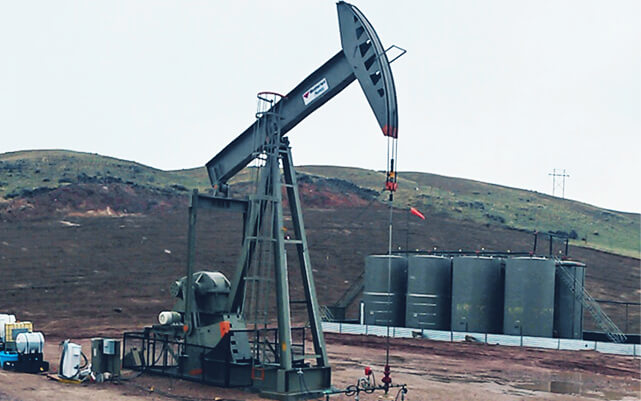
In the Mountain West, the shortest distance between two points is rarely a straight line. Between complex topography, sensitive habitats, and a patchwork of federal, state, and private land, siting a new facility or routing a pipeline is a high-stakes puzzle. Whether you are moving water, oil, gas, or electricity, securing your Rights-of-Way (ROW) is the critical path to project success.

At Grouse Mountain Environmental Consultants, we specialize in Infrastructure Permitting and Rights-of-Way. We combine advanced spatial analysis with deep regulatory expertise to ensure your infrastructure reaches its destination on time and in compliance.

Facility Siting & Pipeline Routing: Data-Driven Decisions

The most expensive route is the one that gets tied up in environmental litigation or unexpected geological hurdles. Our approach to facility siting and pipeline routing focuses on “de-risking” your project from day one:

  • Alternative Route Analysis: We evaluate multiple corridors to identify the path of least resistance, balancing construction costs against environmental and cultural constraints.

  • Federal & State Land Navigation: We understand the nuances of routing across BLM, USFS, and state-managed lands, ensuring your project aligns with specific Resource Management Plans (RMPs).

  • Integrated Resource Reviews: Our team identifies “must-avoid” areas (such as sage grouse core areas, raptor nests, and archaeological sites) before you invest in final engineering.

Navigating the ROW Application Process

Securing a Standard Form 299 (SF-299) for federal land or a state-specific easement is an intensive process of coordination and technical documentation. We manage the entire ROW lifecycle, including:

  • Application Preparation: Drafting comprehensive ROW packages that clearly define the project purpose, need, and technical specifications required by agencies.

  • Agency Coordination: We act as your primary point of contact with federal and state regulators, managing the “Plan of Development” (POD) and addressing technical comments to keep the process moving.

  • Inter-Agency Alignment: For projects crossing multiple jurisdictions, we facilitate the coordination between agencies to ensure consistency in permit conditions and mitigation requirements.

Why Strategic ROW Planning is a Business Asset

A proactive approach to infrastructure permitting prevents the “re-route” scenarios that can cost millions in additional construction and engineering. By partnering with GMEC, you benefit from:

  1. Reduced Permitting Timelines: By identifying environmental “deal-breakers” early, we avoid the costly RMI (Request for More Information) cycles that stall projects.

  2. Defensible Site Selection: Our routing decisions are backed by rigorous data and field verification, providing a strong foundation for NEPA documentation.

  3. Long-Term Operational Security: We ensure your ROW grants and easements are drafted with the operational flexibility you need for future maintenance and expansion.

The GMEC Difference

We don’t just look at maps; we know the ground. Our team combines technical GIS capabilities with “boots-on-the-ground” environmental science to provide infrastructure solutions that are practical, buildable, and compliant.

Ready to ensure your project’s compliance?
Contact Grouse Mountain Environmental Consultants today for a consultation.
Learn more about our federal & state planning and permitting services.

Oil & Gas APD and NOS Packages

NOS packages

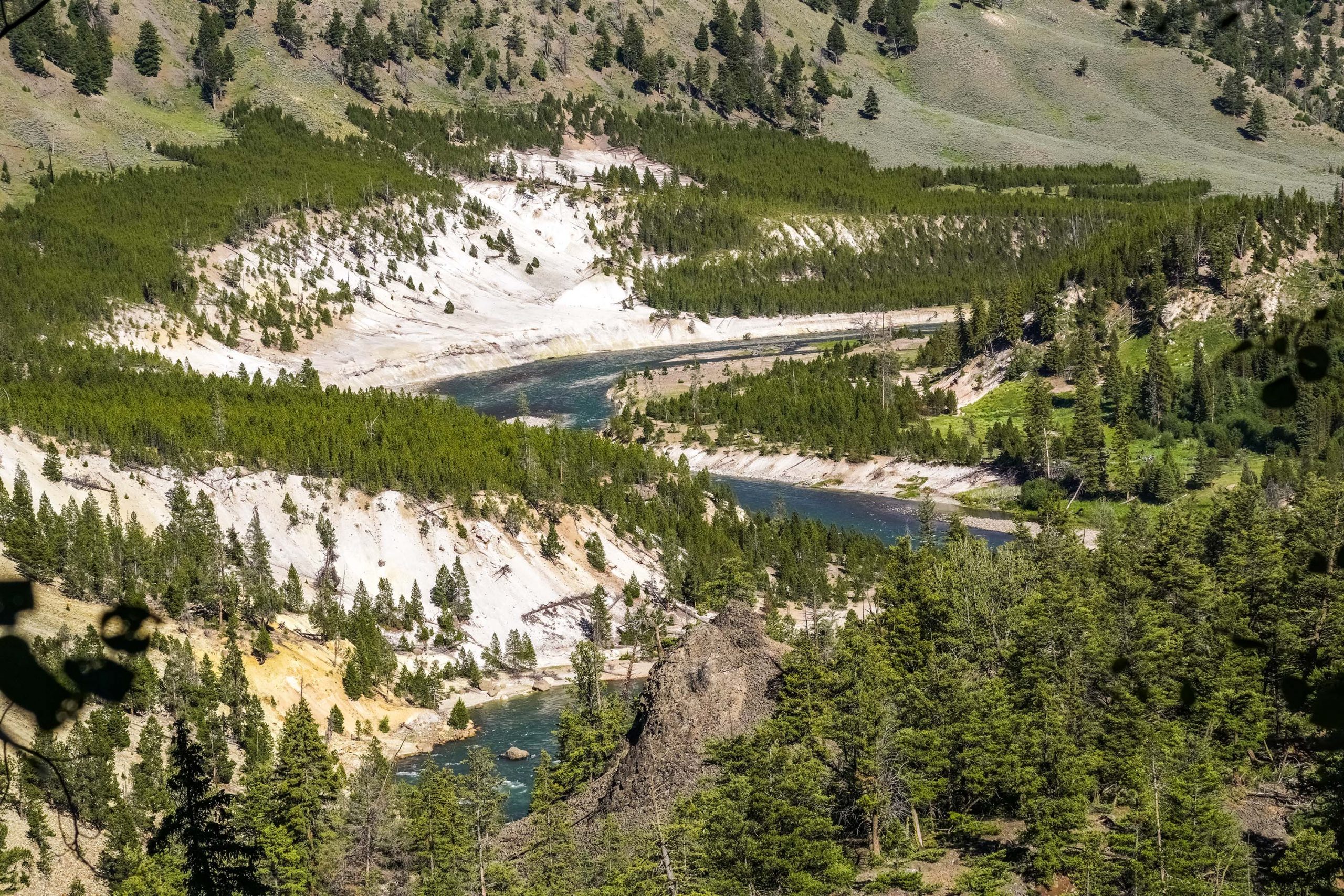
In Western energy production, the speed and accuracy of your permitting process can make or break your drilling schedule. Whether you are operating on federal land managed by the BLM or state-specific acreage, the Application for Permit to Drill (APD) is a high-stakes document that requires more than just technical data, it requires a strategic understanding of environmental constraints and agency expectations.

At Grouse Mountain Environmental Consultants, we provide full-service support for Oil & Gas APD and NOS Packages. We bridge the gap between your engineering goals and regulatory requirements, ensuring your permits move through the system without costly delays.

The First Step: Notice of Staking (NOS) Packages

Success begins in the field. The Notice of Staking (NOS) is the critical first interaction with the surface management agency. It triggers the onsite inspection that determines the ultimate feasibility of your location.

Our team manages the entire NOS process, including:

  • Site Selection & Staking: Coordinating with surveyors to mark the well pad, access roads, and infrastructure.

  • Onsite Inspection Support: Representing your interests during agency field tours to discuss pad orientation, topsoil stripping, and resource protection.

  • Preliminary Resource Review: Identifying potential “deal-breakers”, such as cultural sites or sensitive habitats, early in the process so they can be mitigated before the APD is even drafted.

Federal APD Packages: 3160-3 Compliance

Navigating the federal Onshore Oil and Gas Order No. 1 requires a comprehensive approach. We handle the full development of your federal APD packages, ensuring every component meets BLM standards:

  • Surface Use Plans of Operations (SUPO): Detailing exactly how you will build, operate, and eventually reclaim the site.

  • Environmental Documentation: Integrating the necessary biological and cultural surveys into the package to support the agency’s NEPA analysis.

  • Coordination & Submission: Managing the interface with the local BLM field office to track your permit’s progress and resolve technical questions.

State APD Packages: An Integrated Review

State-level permitting, such as with the WOGCC, requires a different set of technical lenses. Our state APD packages aren’t just forms; they are an Integrated Resource Review. We evaluate:

  • Environmental Constraints: Checking for raptor buffers, big game crucial winter range, and sage grouse core area requirements.

  • Site Constraints: Analyzing local topography and drainage to ensure pad design minimizes earthwork and maximizes stability.

  • Resource Conflict Resolution: Identifying and resolving potential conflicts with existing land uses or other mineral owners before they become protests.

Why Strategic Permitting is a Competitive Asset

A “deficient” APD package can cost you months of lost production. By partnering with GMEC for your APD and NOS needs, you gain:

  1. Reduced Cycle Time: Our “right the first time” approach minimizes the “Request for More Information” (RMI) loops that stall permits.

  2. Operational Flexibility: We design Surface Use Plans that provide your field teams with the operational “envelope” they need to work efficiently.

  3. Regulatory Credibility: Our long-standing relationships with state and federal agencies are built on a foundation of high-quality, defensible data.

The GMEC Difference

We understand that the “Permit to Drill” is the lifeblood of your operations. Our team combines deep regulatory knowledge with a practical understanding of Western field conditions to get your project moving.

Ready to ensure your project’s compliance?
Contact Grouse Mountain Environmental Consultants today for a consultation.
Learn more about our federal & state planning and permitting services.

Treatment, Storage, Disposal, & Recycling Facility (TSDRF) Audits & Reviews

TSDRF Audits

For companies generating hazardous or industrial waste, the responsibility doesn’t end when the truck leaves the facility. Under the principle of “cradle-to-grave” liability, your organization remains responsible for the proper management of that waste until it is fully treated or disposed of. Selecting a Treatment, Storage, Disposal, and Recycling Facility (TSDRF) is a high-stakes decision that requires more than just a price check; it requires verification.

At Grouse Mountain Environmental Consultants, we provide specialized TSDRF Audits and Reviews. we act as your technical eyes and ears, ensuring that your downstream partners are operating with the same level of integrity and compliance as your own team.

Specialized Auditing: Verifying the “Final Destination”

A TSDRF operates under some of the most stringent environmental permits in the country. Our specialized audit services go deep into the operational mechanics of these facilities to ensure they are managing your waste safely and legally.

Our TSDRF review process includes:

  • Permit & Regulatory Interface: We review the facility’s RCRA Part B permits and state-specific authorizations to ensure they are legally allowed to accept your specific waste codes.

  • Compliance Verification: We examine the facility’s history of “Notices of Violation” (NOVs) and consent orders to identify patterns of negligence or recurring technical failures.

  • Financial Assurance Review: We verify that the facility has the required closure and post-closure insurance and bonds in place, protecting you from “orphan waste” liabilities if the facility were to close unexpectedly.

Operational Integrity: Field-Verified Compliance

Paperwork is only half the story. Our on-site reviews evaluate the physical reality of the TSDRF operations:

  • Storage & Compatibility: We audit the facility’s waste staging areas to ensure proper segregation of incompatible materials and the integrity of secondary containment.

  • Treatment Standards: For facilities performing stabilization, incineration, or recycling, we review the technical data to ensure the final output meets Land Disposal Restrictions (LDRs).

  • Recordkeeping & Tracking: We audit the facility’s manifest tracking and “Certificate of Disposal” (CD) process to ensure your waste is accounted for from arrival to final disposition.

Why Third-Party TSDRF Reviews are Essential

Relying solely on a facility’s self-reporting is a significant corporate risk. By partnering with GMEC for independent TSDRF audits, you gain:

  1. Liability Shielding: Documenting that you performed “due diligence” on your disposal partners is your strongest defense against future Superfund or RCRA legal actions.

  2. Risk Mitigation: Identifying a facility with poor housekeeping or failing infrastructure allows you to move your waste stream before a catastrophic release occurs.

  3. Sustainability Verification: If your goal is “Zero Waste to Landfill,” we verify that recycling and energy-recovery claims are backed by actual data, not just marketing.

The GMEC Difference

Waste management is a high-consequence industry. Our team combines a deep understanding of RCRA regulations with the technical expertise to evaluate complex treatment processes. We provide the objective, data-driven reviews you need to manage your downstream environmental footprint with confidence.

Ready to ensure your project’s compliance?

Contact Grouse Mountain Environmental Consultants today for a consultation.
Learn more about our environmental management & compliance services.

Operational Facility Multi‑Media Compliance Audits

Multi-Media Compliance Audits

In environmental compliance, it is easy to develop “tunnel vision.” Your team might be hyper-focused on air emissions while a stormwater permit expires, or managing hazardous waste while a fuel tank inspection falls behind. Regulators, however, don’t look at your facility in silos, and neither should you.

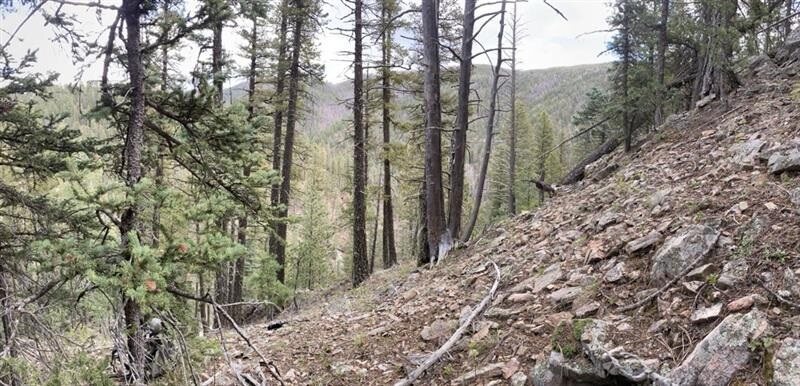
At Grouse Mountain Environmental Consultants, we specialize in Operational Facility Multi-Media Compliance Audits. Our “whole-site” approach identifies the intersections between different regulatory programs, ensuring that no requirement slips through the cracks.

Comprehensive Scope: Covering Every Medium

A true multi-media audit looks at the facility as a single, integrated organism. We move beyond a single permit to evaluate your entire environmental footprint, including:

  • Air Quality: Verifying that stack heights, throughputs, and control equipment match your current permits (NSR, Title V, or Synthetic Minor).

  • Water & Stormwater: Reviewing SWPPP effectiveness, discharge monitoring reports (DMRs), and SPCC secondary containment integrity.

  • Waste Management: Auditing hazardous, non-hazardous, and universal waste streams from point of generation to final disposal.

  • Chemical Storage: Ensuring Tier II inventories are accurate and that all hazardous materials are stored according to segregation and stability best practices.

The Audit Process: From Field to Folder

Our auditors don’t just sit in a conference room; we get our boots dirty to ensure your “paper compliance” matches your “field reality.” Our process includes:

  • On-Site Inspections: A physical walkthrough of your entire limits of disturbance to identify fugitive emissions, leaking valves, or unmanaged waste.

  • Detailed Record Review: A systematic audit of your logs, training records, and permit submittals to ensure your “audit trail” is defensible.

  • Compliance Tracking: We identify upcoming deadlines and recurring requirements, helping you build a proactive calendar for the next year.

  • Corrective Action Planning: If we find a gap, we don’t just point it out; we provide a practical, prioritized plan to fix it before a regulator finds it.

Why Multi-Media Compliance Auditing is a Strategic Safeguard

The “multi-media” approach is designed to catch the risks that single-program inspections miss. By partnering with GMEC, you gain:

  1. Cross-Program Consistency: Ensuring that the data you report for air emissions doesn’t contradict your waste or production records.

  2. Cost Efficiency: Consolidating your audits into a single, comprehensive visit reduces operational downtime and administrative overhead.

  3. Maximum Defensibility: A third-party multi-media audit is your strongest evidence of “due diligence” during a state or federal agency inspection.

The GMEC Difference

We understand the complex regulatory environment of the Mountain West. Our team combines technical expertise in EPA, WDEQ, and CDPHE standards with a practical understanding of industrial operations. We provide the “fresh eyes” needed to find hidden risks and protect your right to operate.

Ready to ensure your project’s compliance?
Contact Grouse Mountain Environmental Consultants today for a consultation.
Learn more about our environmental management & compliance services.

Environmental Management System (EMS) Development & Audit Preparation

EMS Development & Audit Preparation

For many industrial and energy companies, “compliance” is often viewed as a series of reactive fires to be put out. However, the most successful organizations move beyond a reactive stance by implementing a structured Environmental Management System (EMS). An EMS isn’t just a collection of policies; it is a repeatable, data-driven framework that integrates environmental performance into the very DNA of your daily operations.

At Grouse Mountain Environmental Consultants, we specialize in EMS Development and Audit Preparation, helping you transform complex regulatory requirements into a streamlined, high-performing management tool.

Designing Your Framework: ISO 14001 and Beyond

Whether you are pursuing formal certification or simply want a “best-practice” internal system, the foundation of a successful EMS is the Plan-Do-Check-Act cycle. We design and implement frameworks tailored to the specific environmental aspects of your facility:

  • ISO 14001-Aligned Systems: We help you meet the international gold standard for environmental management, ensuring your system is robust enough for global supply chain requirements.

  • Custom EMS Frameworks: For facilities that need a leaner approach, we develop “right-sized” systems that focus on your highest-risk areas, such as water discharge, air emissions, or waste handling, without unnecessary administrative bloat.

  • Operational Integration: We ensure your EMS isn’t a “siloed” document. We work with your field teams to integrate environmental checks into existing maintenance and production workflows.

The Path to Success: Internal Audits & Gap Analysis

An EMS is only as good as its last review. To ensure your system is actually functioning and to prepare you for external certification, we provide comprehensive Audit Preparation and support:

  • Compliance Gap Analysis: We perform a deep dive into your current practices to identify where your “actual” operations differ from your “stated” policies. Finding these gaps early is the best way to prevent audit findings.

  • Internal Audit Support: Our team acts as an objective third party, conducting the internal audits required by ISO 14001 to verify that your system is being followed at every level of the organization.

  • Management Review Coordination: We help you synthesize audit data into meaningful reports for executive leadership, facilitating the “Management Review” sessions that drive continuous improvement and resource allocation.

Why Structured EMS Development is a Competitive Advantage

A well-designed EMS provides a clear return on investment that goes far beyond avoiding fines:

  1. Operational Efficiency: By tracking resource use and waste streams, an EMS often identifies opportunities for energy savings and reduced disposal costs.

  2. Risk Reduction: Standardized procedures ensure that even during staff turnover, your environmental “knowledge base” stays within the company.

  3. Market Access: Many major clients and government agencies now require their contractors to have a documented EMS or ISO 14001 certification to bid on large-scale projects.

The GMEC Difference

We don’t believe in “shelfware.” Our goal is to build an EMS that your team actually uses and finds valuable. We combine technical environmental science with a practical understanding of Western industrial culture to create systems that are as rugged as the landscapes where you operate.

Ready to ensure your project’s compliance?

Contact Grouse Mountain Environmental Consultants today for a consultation.
Learn more about our environmental management & compliance services.

Regulatory Support & Compliance Review

Regulatory Support & Compliance Review

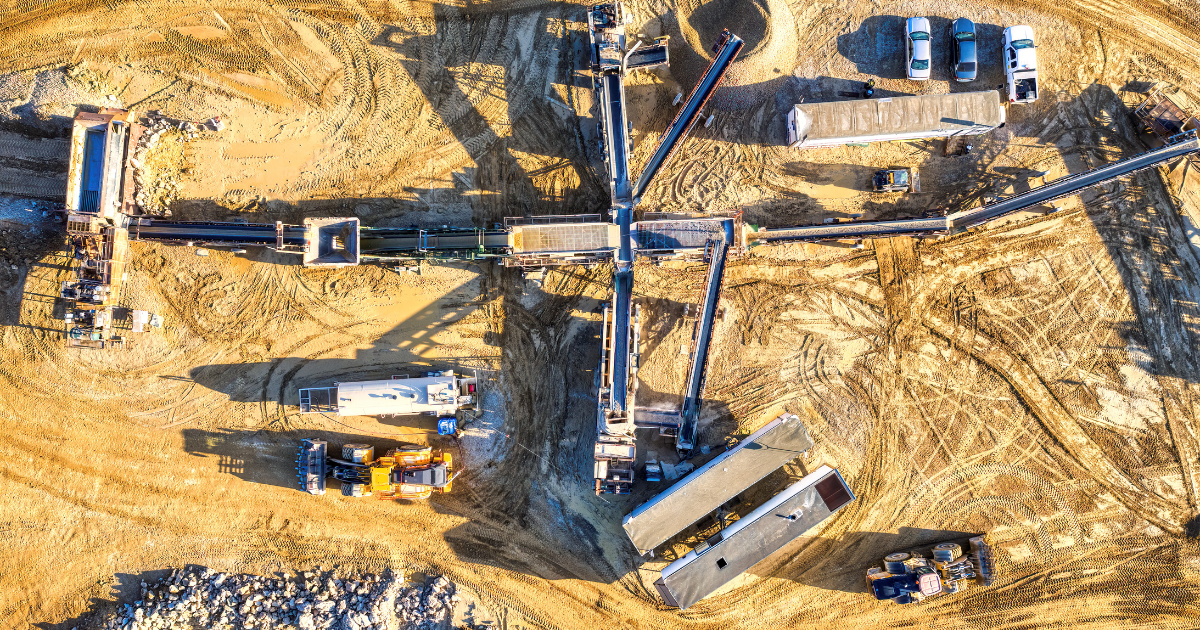
Staying compliant is a moving target. From new federal storage mandates to evolving state-level release reporting thresholds, the administrative burden of staying “legal” can easily overwhelm an internal operations team. When it comes to emergency planning and material storage, a single missed update can lead to costly fines or, worse, an uncoordinated response during a crisis.

At Grouse Mountain Environmental Consultants, we provide the Regulatory Support and Compliance Review necessary to ensure your facility isn’t just following yesterday’s rules, but is prepared for tomorrow’s standards.

Active Monitoring: Staying Ahead of the Curve

Regulations don’t sit still, and neither do we. We act as your regulatory “radar,” monitoring both state and federal landscapes to protect your operations. Our support includes:

  • Federal & State Monitoring: We track changes in EPA, DOT, and state-specific requirements (like the WDEQ or CDPHE) regarding chemical storage, contingency planning, and spill prevention.

  • Release Reporting Thresholds: We ensure your team knows exactly when a “drip” becomes a “reportable quantity,” preventing the legal risks of under-reporting or the administrative headaches of over-reporting.

  • Audit Readiness: We perform proactive compliance reviews to ensure your binders, logs, and permits are organized and defensible before an agency inspector knocks on your door.

The Interface: Bridging the Gap with Authorities

Effective emergency planning requires a “digital and physical handshake” with the people who will respond to your site in a crisis. We facilitate the critical interface between your facility and the public sector:

  • State Environmental Agencies: We manage the technical correspondence and reporting required by state regulators, ensuring your documentation meets their specific formatting and data standards.

  • Local Fire Departments: we work with local fire chiefs to ensure they have the site maps and chemical inventories (Tier II data) they need to keep their crews safe during a response.

  • Emergency Response Authorities: We coordinate with Local Emergency Planning Committees (LEPCs) to ensure your facility is integrated into the broader community safety net.

Why Professional Regulatory Support is a Strategic Asset

Trying to manage environmental compliance off the side of a desk is a high-risk strategy. By partnering with GMEC for ongoing regulatory review, you benefit from:

  1. Reduced Administrative Burden: Your team can focus on production and operations while we handle the complex tracking of legislative and rule changes.

  2. Consistent Compliance: We provide a third-party perspective that catches “compliance drift”, the slow degradation of recordkeeping habits that often leads to audit findings.

  3. Enhanced Reputation: Facilities that maintain active, professional relationships with local fire departments and state agencies are viewed as “good actors,” often leading to smoother permitting and inspection processes.

The GMEC Difference

We don’t just quote regulations; we interpret them in the context of your specific business goals. Our team combines a deep understanding of the EPCRA and SPCC frameworks with a practical approach to Western industrial operations.

Ready to ensure your project’s compliance?
Contact Grouse Mountain Environmental Consultants today for a consultation.
Learn more about our emergency planning & material storage services.

Emergency Response Planning & Training

Emergency Response Planning & Training

When an environmental release occurs, the first few minutes determine the scale of the impact. Whether it is a small hydraulic leak or a significant tank failure, a chaotic response can turn a manageable incident into a regulatory and environmental disaster. True safety isn’t found in a dusty binder on a shelf; it is found in a prepared team and a clear, actionable strategy.

At Grouse Mountain Environmental Consultants, we specialize in Emergency Response Planning (ERP) and Training. We ensure that when the “what-if” becomes a reality, your personnel have the tools, the knowledge, and the confidence to protect your site and the surrounding environment.

Developing Site-Specific Emergency Response Plans (ERPs)

A generic response plan is often worse than no plan at all because it provides a false sense of security. We develop Site-Specific ERPs tailored to your facility’s unique footprint, chemical inventory, and local topography.

Our planning process focuses on:

  • Release Scenarios: Identifying high-risk areas, such as loading docks, tank batteries, or chemical storage yards, and mapping out specific response protocols for each.

  • Notification Chains: Streamlining the communication process so that internal teams, emergency responders, and regulatory agencies (like the EPA or WDEQ) are notified in the correct order and within mandatory timeframes.

  • Containment & Countermeasures: Providing clear, visual instructions on using on-site spill kits, deploying booms, and shutting down valves to stop a release at the source.

Empowering Your Team: Training & Simulations

Even the best plan fails if the staff hasn’t practiced it. We bridge the gap between “theory” and “action” through comprehensive training sessions designed for the realities of industrial and field operations:

  • On-Site & Virtual Training: We provide flexible learning options to fit your team’s schedule, ensuring every shift is up to date on the latest safety protocols.

  • Tabletop Simulations: We facilitate “low-stress, high-consequence” discussions where leadership and field staff walk through a disaster scenario to identify gaps in communication or resources.

  • Live Drills: We coordinate field exercises that test your team’s ability to deploy equipment and follow the ERP under pressure.

  • Documentation Support: We provide the training logs and certificates necessary to prove compliance with OSHA, EPA, and DOT training requirements.

Why Professional Training is a Strategic Investment

In an emergency, “muscle memory” saves money and lives. By partnering with GMEC for your emergency planning and training, you gain:

  1. Minimized Environmental Impact: Faster response times lead to smaller spill footprints and lower remediation costs.

  2. Regulatory Defense: Having a professionally developed ERP and documented training records is your best defense during a post-incident investigation.

  3. Employee Confidence: Workers who know exactly what to do are less likely to panic, reducing the risk of secondary injuries or errors during a crisis.

The GMEC Difference

We don’t just write plans; we build resilience. Our team combines technical environmental expertise with a deep understanding of the rugged conditions in the Mountain West, ensuring your emergency response strategy works when you need it most.

Ready to ensure your project’s compliance?
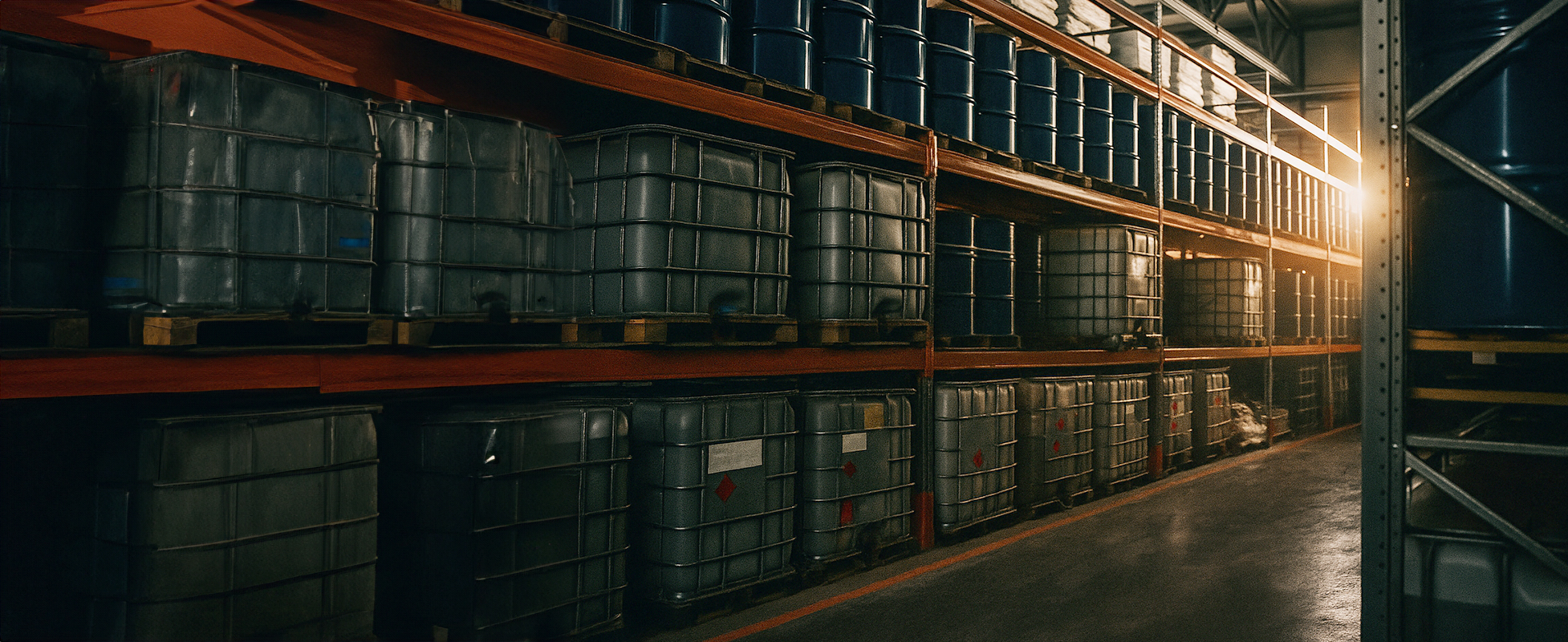
Contact Grouse Mountain Environmental Consultants today for a consultation.
Learn more about our emergency planning & material storage services.

Chemical and Fuel Storage Management & Material Tracking

Emergency Planning & Material Tracking Storage

In the world of industrial and field operations, “losing track” isn’t just an inventory problem, it’s a massive environmental and financial risk. Whether you are managing a single fuel tank or a complex multi-chemical storage yard, the ability to account for every gallon is your first line of defense against both regulatory fines and site contamination.

At Grouse Mountain Environmental Consultants, we specialize in Chemical/Fuel Storage Management and Material Tracking. We bridge the gap between physical storage and digital compliance, giving you total visibility into your on-site assets.

Custom Database Design: Data You Can Actually Use

Generic spreadsheets often fail to capture the nuances of dynamic field operations. We design and maintain custom chemical and fuel storage databases tailored to your specific facility. These systems do more than just list items; they provide a live history of your materials:

  • Volume & Usage Tracking: Monitoring throughput to identify anomalies that might suggest a slow leak or unauthorized usage.

  • Change Logs: Documenting every time a material is moved, replaced, or re-ordered to ensure your Tier II and SPCC records are always current.

  • Release History: Maintaining a centralized, audit-ready record of any historic spills or “near-misses” to support long-term risk management.

Strategic Risk Assessments & Storage Stability

Proper management goes beyond counting containers; it requires an understanding of the chemistry inside them. Our team provides technical support to ensure your storage area is safe and efficient:

  • Release-Risk Assessments: We evaluate your storage layout to identify “high-threat” areas where a tank failure could impact sensitive receptors or water bodies.

  • Material Re-Classification: As regulations evolve (such as new PFAS or GHS standards), we help you re-classify materials to ensure they are stored and reported under the correct categories.

  • Stability Reviews & Segregation: We perform storage stability reviews to identify aging or degrading chemicals before they become unstable. Most importantly, we design segregation protocols, ensuring that incompatibles (like oxidizers and flammables) are never stored where a single leak could lead to a catastrophic reaction.

Why Advanced Tracking is a Business Asset

Investing in a professional tracking system provides a clear ROI by eliminating “hidden” operational costs:

  1. Prevent Overstocking: Accurate usage data prevents the “just in case” ordering that leads to expired, wasted chemicals and high disposal fees.

  2. Streamline Audits: When a regulator asks for your 3-year usage history, you can generate a report in minutes rather than spending days digging through paper logs.

  3. Enhance Safety: Proper segregation and stability reviews drastically reduce the risk of on-site fires, toxic releases, and worker exposure.

The GMEC Difference

We don’t just hand you software; we provide a managed solution. Our team combines data science with “boots-on-the-ground” environmental expertise to ensure your material tracking is accurate, defensible, and built for the rugged conditions of the Mountain West.

Ready to ensure your project’s compliance?

Contact Grouse Mountain Environmental Consultants today for a consultation.
Learn more about our emergency planning & material storage services.

Hazardous Materials & Tier II Reporting

Hazardous Materials & Tier II Reporting

For industrial facilities, knowing exactly what is on-site isn’t just about inventory management, it’s a legal mandate and a cornerstone of community safety. Under the Emergency Planning and Community Right-to-Know Act (EPCRA), facilities that store hazardous chemicals above specific thresholds must provide that information to state and local emergency responders.

At Grouse Mountain Environmental Consultants, we specialize in Hazardous Materials & Tier II Reporting. We help you bridge the gap between your daily operations and the regulatory requirements that keep your facility, your employees, and your neighbors safe.

Tier II Reporting: Meeting the EPCRA Mandate

Every year by March 1st, facilities are required to submit their Tier II Emergency and Hazardous Chemical Inventory forms. These reports provide local fire departments and emergency planning committees with the “what, where, and how much” of the chemicals on your site.

Our team manages the entire reporting lifecycle, including:

  • Threshold Determinations: We analyze your Safety Data Sheets (SDS) to determine if your inventory of hazardous or extremely hazardous substances (EHS) triggers a reporting requirement.

  • Coordination with Agencies: We handle the submission to the State Emergency Response Commission (SERC), Local Emergency Planning Committee (LEPC), and the local fire department.

  • Facility Response Plans: For facilities with significant hazards, we develop detailed response plans that outline exactly how to handle a release, ensuring your team and local responders are prepared for the “what-ifs.”

Strategic Chemical Inventory Management

Compliance is difficult if your inventory data is scattered. Effective onsite tracking and reconciliation are the best defenses against regulatory exposure and unexpected cleanup costs.

We help you implement “best-practice” inventory systems to:

  • Usage & Stock Reconciliation: Regularly auditing what comes into your facility versus what is used or shipped out to ensure your Tier II data is precise.

  • Onsite Tracking: Organizing SDS libraries and physical storage areas so that information is accessible during an inspection or an emergency.

  • Reducing Exposure: By accurately tracking volumes, we can often identify opportunities to stay below certain regulatory thresholds through smarter procurement and “just-in-time” inventory practices.

Why Precision in Reporting Matters

Inaccurate Tier II reporting can lead to significant federal fines, but the “real” risk is in an emergency. If a fire or spill occurs, responders rely on your Tier II data to choose their equipment and protective gear. By partnering with GMEC, you ensure:

  1. First Responder Safety: Accurate data allows emergency crews to act quickly and safely, potentially saving lives and property.

  2. Audit Defense: Our reports are built on a clear data trail, making it easy to defend your numbers if an agency auditor visits your site.

  3. Community Trust: Demonstrating a commitment to transparency and safety builds a stronger relationship with the communities where you operate.

The GMEC Difference

We don’t just fill out forms; we provide a comprehensive view of your chemical footprint. Our team understands the technical properties of the materials you use and the nuances of EPCRA regulations, ensuring your facility remains a safe and compliant neighbor.

Ready to ensure your project’s compliance?

Contact Grouse Mountain Environmental Consultants today for a consultation.
Learn more about our emergency planning & material storage services.

SPCC Plan Development & Inspections

SPCC Plan Development & Inspections

In the industrial and energy sectors, protecting the environment starts with a proactive plan to prevent oil spills from reaching navigable waters. If your facility stores oil in specific quantities, a Spill Prevention, Control, and Countermeasure (SPCC) Plan isn’t just a best practice, it is a federal requirement under 40 CFR 112.

At Grouse Mountain Environmental Consultants, we specialize in SPCC Plan Development and Inspections, ensuring your facility meets all regulatory mandates while protecting the local watershed and your company’s reputation.

Tailored SPCC Plan Development & Preparation

An effective SPCC plan must be as unique as the facility it covers. A “template” approach often misses the critical site-specific details that regulators look for during an audit. We develop comprehensive plans that align with both federal requirements and state-specific spill-prevention regulations.

Our development process includes:

  • Storage Inventory: Accurate documentation of all oil storage containers, including tanks, drums, and oil-filled equipment.

  • Spill Scenarios: Modeling “reasonable to expect” discharge scenarios and outlining specific countermeasure procedures.

  • Professional Engineer (PE) Certification: Ensuring your plan is reviewed and certified by a licensed professional as required for many non-qualified facilities.

Field-Verified: Site Inspections & Infrastructure Validation

A plan is only effective if the infrastructure on the ground supports it. Our team conducts thorough on-site inspections to validate your facility’s physical defenses:

  • Containment Measures: We evaluate the sizing and integrity of your secondary containment (such as berms, dikes, and double-walled tanks) to ensure they can hold the required volume.

  • Infrastructure Integrity: Checking tanks, valves, and line integrity for signs of corrosion, leaks, or structural weakness.

  • Site Drainage: Mapping flow paths to ensure that any potential spill is directed away from sensitive water bodies and into managed containment areas.

Maintaining Compliance: Annual Audits & Reviews

SPCC compliance is an ongoing commitment. Federal law requires plans to be reviewed and updated at least every five years or whenever there is a significant change in facility design or operation.

We provide annual and periodic auditing services to:

  • Document Implementation: Verifying that your staff is following the plan’s inspection and training requirements.

  • Update Records: Ensuring your monthly and annual inspection logs are current and defensible.

  • Identify Gaps: Catching minor maintenance issues before they lead to a spill or a regulatory violation.

Why Professional SPCC Management Matters

The cost of an oil spill (including cleanup, fines, and legal fees) far outweighs the cost of a compliant SPCC program. By partnering with GMEC, you benefit from:

  1. Reduced Liability: Professional site assessments identify risks early, preventing spills before they happen.

  2. Regulatory Confidence: Our plans are built to withstand federal EPA and state-level audits, giving you peace of mind.

  3. Operational Clarity: We provide your team with clear, actionable spill response procedures so everyone knows their role in an emergency.

The GMEC Difference

We combine a deep knowledge of 40 CFR 112 with practical, “boots-on-the-ground” experience in the Rocky Mountain region. Our goal is to create SPCC plans that are easy to follow, technically sound, and fully compliant.

Ready to ensure your project’s compliance?
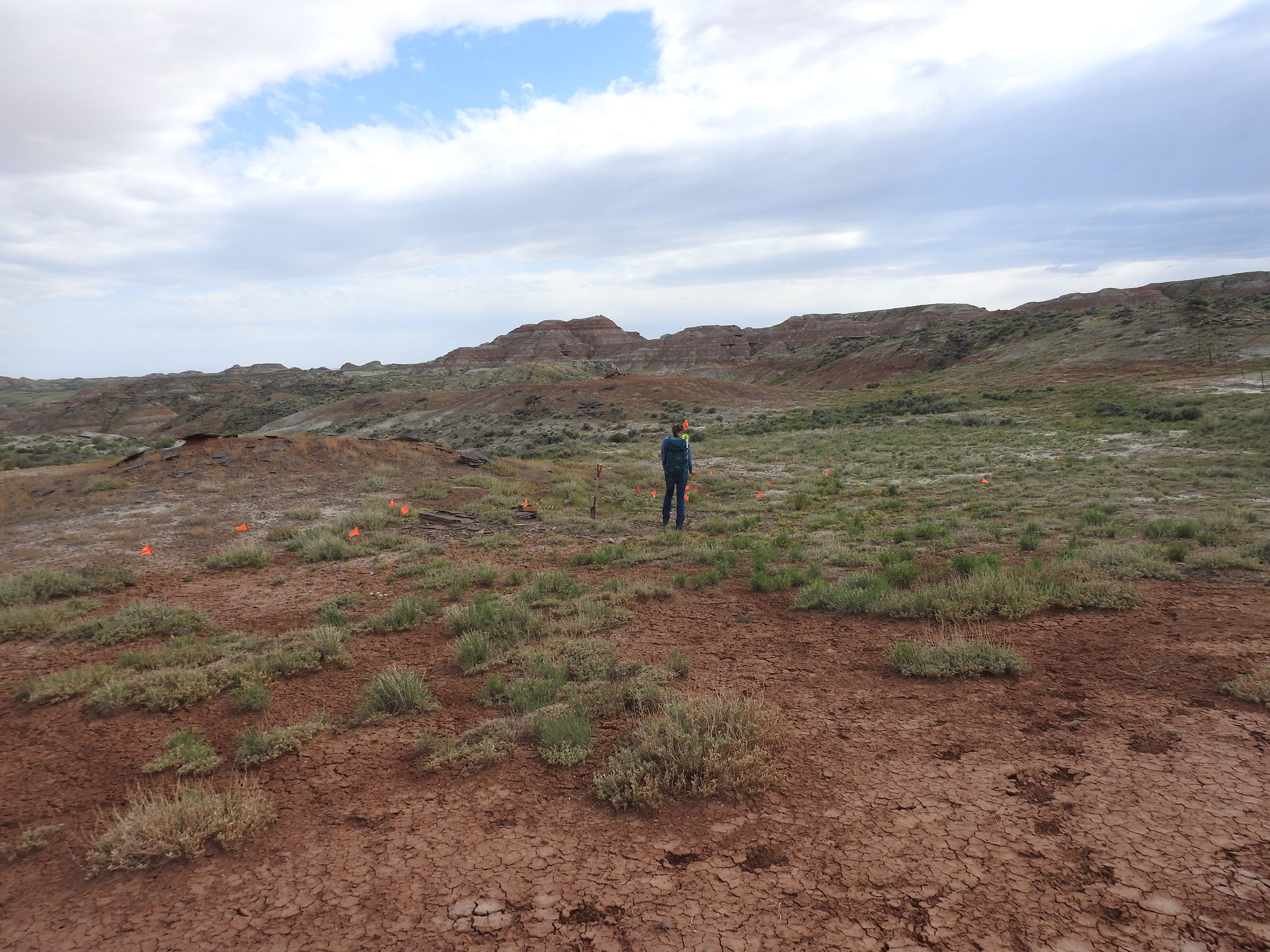
Contact Grouse Mountain Environmental Consultants today for a consultation.
Learn more about our emergency planning & material storage services.

Site Assessments & Auditing

Air Quality Audits, Site Assessments & Auditing

Securing an air permit is a major milestone, but it is only the beginning of your compliance journey. Once the ink is dry, the real challenge begins: ensuring that every piece of equipment on-site operates within the specific boundaries defined by your permit. In a regulatory environment that is increasingly focused on field-verified data, a “paper-only” compliance strategy is a significant risk.

At Grouse Mountain Environmental Consultants, we specialize in Site Assessments and Air Quality Auditing. We move beyond the filing cabinet and into the field to ensure your operations are not just permitted, but truly compliant.

Visual Verification: Method 22 and Emissions Testing

Regulators often judge a site by what they can see from the fence line. EPA Method 22 is a primary tool for determining the frequency of visible emissions from fugitive sources and flares. Unlike Method 9, which measures opacity (density), Method 22 focuses on the duration of emissions.

Our field teams provide professional Method 22 observations and emissions testing to help you:

  • Verify Control Effectiveness: Confirming that your baghouses, dust collectors, and flares are operating as designed.

  • Identify Fugitive Leaks: Pinpointing emissions escaping from buildings, material transfer points, or process equipment before they become a violation.

  • Maintain Defensible Records: Providing the standardized logs and observational data required by federal standards like NSPS and NESHAP.

Compliance Gap Analysis: Finding the Hidden Risks

Air permits are notoriously dense, often burying critical reporting and recordkeeping requirements in “general provisions.” Our Air Quality Audits are designed to peel back these layers and identify exactly where your facility stands.

Our audit process includes:

  • Permit-Condition Reviews: We break down every line of your permit, from throughput limits to hour-meter tracking, to ensure your staff knows exactly what needs to be measured.

  • Compliance Gap Analysis: We compare your current on-site practices against your permit requirements to find missing records, overdue tests, or unmonitored emission points.

  • Operational Alignment: We ensure your “as-built” facility matches your permit. If you’ve added or removed equipment, we identify the necessary permit modifications to keep you legal.

Why Regular Auditing is a Strategic Investment

The cost of a proactive audit is a fraction of the cost of an enforcement action. By partnering with GMEC for regular site assessments, you gain:

  1. Inspection Readiness: When a state agency inspector arrives for a surprise visit, you can hand over an organized, audited compliance binder with confidence.

  2. Reduced Liability: Identifying a “gap” internally allows you to correct it and self-report if necessary, which is viewed much more favorably by agencies than a deficiency found during a state audit.

  3. Peace of Mind: You can focus on production knowing that your environmental “right to operate” is built on a foundation of verified data.

The GMEC Difference

Our auditors aren’t just looking for problems, they are looking for solutions. We combine technical engineering knowledge with a deep understanding of WY DEQ and CDPHE expectations to provide audits that are practical, actionable, and defensible.

Ready to ensure your project’s compliance?

Contact Grouse Mountain Environmental Consultants today for a consultation.
Learn more about our air compliance services.

Greenhouse Gas (GHG) Inventories & Reporting

Greenhouse Gas GHG Inventories & Reporting

As global focus shifts toward carbon management and sustainability, tracking emissions is no longer just a voluntary “green” initiative, it is a critical business function. For many industries, particularly in energy and manufacturing, accurate Greenhouse Gas (GHG) reporting is a mandatory regulatory requirement that demands technical precision and a deep understanding of federal protocols.

At Grouse Mountain Environmental Consultants, we provide the expertise needed to navigate the complexities of GHG Inventories and Reporting. We help you transform raw operational data into defensible, compliant reports that satisfy both regulatory bodies and stakeholders.

Navigating EPA Compliance: The e-GGRT System

For facilities that meet specific emission thresholds, reporting to the U.S. Environmental Protection Agency (EPA) is a non-negotiable annual task. The Electronic Greenhouse Gas Reporting Tool (e-GGRT) is the gateway for this data, but the path to a successful submission is paved with complex calculations.

Our team streamlines your EPA reporting by:

  • Applicability Determinations: Identifying which “Subparts” of the Mandatory Greenhouse Gas Reporting Rule (40 CFR Part 98) apply to your specific operations.

  • Data Aggregation & Calculation: Converting fuel usage, process data, and fugitive emissions into metric tons of carbon dioxide equivalent ($CO_2e$) using the latest global warming potentials (GWPs).

  • e-GGRT Submission Management: Managing the technical upload and validation process within the EPA’s reporting portal, ensuring your data is accurate and submitted well ahead of the deadline.

The Global Standard: WRI/WBCSD GHG Protocol

Beyond mandatory EPA reporting, many organizations look to the World Resources Institute (WRI) and World Business Council for Sustainable Development (WBCSD) Greenhouse Gas Protocol. As the most widely used international accounting standard, it provides the framework for “Scope 1, 2, and 3” emissions.

We provide expert guidance on the GHG Protocol to help you:

  • Define Operational Boundaries: Determining which assets and activities should be included in your inventory.

  • Scope 1 (Direct): Inventorying emissions from owned or controlled sources, such as fleet vehicles and on-site combustion.

  • Scope 2 (Indirect): Calculating emissions from the generation of purchased electricity, steam, heating, and cooling.

  • Scope 3 (Value Chain): Developing strategies to track indirect emissions occurring in your upstream and downstream value chain.

Why Professional GHG Inventories Matters

Inaccurate reporting can lead to more than just regulatory fines; it can result in “greenwashing” accusations or missed opportunities for carbon credits. By partnering with GMEC, you ensure:

  1. Verification Readiness: Our inventories are built with a clear “audit trail,” making third-party verification simple and stress-free.

  2. Strategic Insight: Understanding your carbon footprint allows you to identify “emission hotspots” and implement cost-saving energy efficiencies.

  3. Investor Confidence: High-quality GHG data is essential for ESG (Environmental, Social, and Governance) reporting, helping you meet the transparency demands of investors and clients.

The GMEC Difference

We don’t just “crunch the numbers.” We understand the industrial processes behind the emissions. Our team combines engineering knowledge with regulatory fluency to provide a GHG inventory that is both a compliance tool and a strategic asset.

Ready to ensure your project’s compliance?

Contact Grouse Mountain Environmental Consultants today for a consultation.
Learn more about our air compliance services.

Navigating the Complexities of Air Permitting

Air Compliance & Air Permitting Services for the Rocky Mountain Region.

In the energy and industrial sectors, your “right to operate” often depends on what is coming out of your stacks and equipment. Navigating air quality regulations isn’t just about environmental stewardship; it’s about high-stakes compliance that can determine whether a project moves forward or grinds to a halt.

At Grouse Mountain Environmental Consultants, we specialize in Air Permitting, providing the technical expertise to guide you through the maze of state and federal regulations. From initial applications to long-term monitoring, we ensure your facility stays in the clear.

Strategic Air Permitting for Every Scale

Air permits are not one-size-fits-all. The path you take depends on your facility’s potential to emit and your geographic location. Our team manages the full spectrum of permit types, including:

  • New Source Review (NSR) & PSD: We handle the complex Prevention of Significant Deterioration (PSD) process for major sources in “attainment” areas, ensuring you meet Best Available Control Technology (BACT) requirements.

  • Title V Operating Permits: For major sources, we manage the rigorous Title V application and renewal process, consolidating all applicable requirements into a single, manageable document.

  • Synthetic Minor & Portable Source Permits: We help facilities stay below “major source” thresholds through enforceable permit limits, and we manage the unique permitting needs of portable equipment that moves between project sites.

Technical Standards & Federal Oversight

Compliance requires a deep understanding of the evolving federal landscape. We ensure your operations align with:

  • NSPS (New Source Performance Standards): Staying ahead of the technology-based standards for specific industrial categories.

  • NESHAP (National Emission Standards for Hazardous Air Pollutants): Managing the “Maximum Achievable Control Technology” (MACT) standards to reduce toxic air emissions and protect public health.

State-Specific Expertise: Colorado and Wyoming

While federal rules provide the framework, the “boots-on-the-ground” compliance happens at the state level. We are experts in regional programs that vary significantly across state lines:

  • Colorado APENs: We manage the Air Pollutant Emission Notice (APEN) process, ensuring accurate reporting and permitting for Colorado-based assets.

  • Wyoming IMPACT: Our team is highly proficient in the WY DEQ IMPACT system (Inventory, Monitoring, Permitting, and Compliance Tracking), streamlining your submissions and tracking for Wyoming projects.

Why Precision in Permitting Matters

An error in an air permit application can lead to months of delays or restrictive conditions that limit your operational flexibility. By partnering with GMEC, you gain:

  1. Operational Flexibility: We work to secure permits that allow for “operational envelopes,” giving you room to adjust processes without needing a new permit every time.

  2. Regulatory Credibility: Our technical reports and emission calculations are built on defensible data that regulators trust.

  3. Future-Proofing: We help you anticipate upcoming regulatory changes, ensuring your facility remains compliant as standards tighten.

The GMEC Difference

Air compliance is a science of details. Our team combines engineering precision with a thorough understanding of agency expectations to move your project through the permitting process as efficiently as possible.

Ready to ensure your project’s compliance?

Contact Grouse Mountain Environmental Consultants today for a consultation.
Learn more about our air compliance services.

GET IN TOUCH

You can find us in the office weekdays from 8am-5pm or call anytime.

P: 307.684.2112

Grouse Mountain Headquarters

760 West Fetterman Street
Buffalo, WY 82834

Grouse Mountain New Mexico

3600 Cerrillos Rd, Ste 407
Santa Fe, NM 87507

Send us a message or inquire on your next project.

  • This field is for validation purposes and should be left unchanged.
