Agency & Stakeholder Coordination

Agency & Stakeholder Coordination

Seamless Agency and Stakeholder Coordination for Project Approvals

For major projects in the oil & gas, mining, solar, and infrastructure sectors, the technical work is only half the battle. Project success often hinges on a single, critical factor: effective communication and coordination with the regulators, land managers, and stakeholders who hold the power to approve or deny your plans.

At Grouse Mountain Environmental Consultants (GMEC), we specialize in facilitating this crucial dialogue. We act as your knowledgeable and respected liaison, transforming potential regulatory conflicts into collaborative agreements that secure your environmental approvals and keep your schedule moving.

Navigating the Regulatory Web

Navigating the landscape of federal, state, and Tribal entities requires more than just submitting paperwork; it demands established relationships and deep knowledge of each agency’s specific priorities and protocols.

Our team provides comprehensive coordination with all critical parties:

  • U.S. Fish & Wildlife Service (USFWS): Essential for all projects dealing with the Endangered Species Act (ESA) and MBTA. We manage formal and informal consultation processes, negotiate mitigation strategies, and facilitate timely permit review, including Section 7 and Section 10 applications.

  • State Wildlife Agencies (e.g., State Game & Fish): Critical for state-listed species, regional management plans (like those for Greater Sage-grouse), and specific state permitting requirements.

  • Federal Land-Management Units (e.g., BLM, USFS): If your project touches federal land, we manage the required environmental reviews, land use plans, and special use permits, ensuring your activities align with their multiple-use mandates.

  • Tribal Partners: We engage respectfully and proactively with Tribal governments and representatives to address concerns related to cultural resources and wildlife, building consensus and facilitating sovereign consultation required by federal actions.

The Role of Specialized Surveys in Coordination

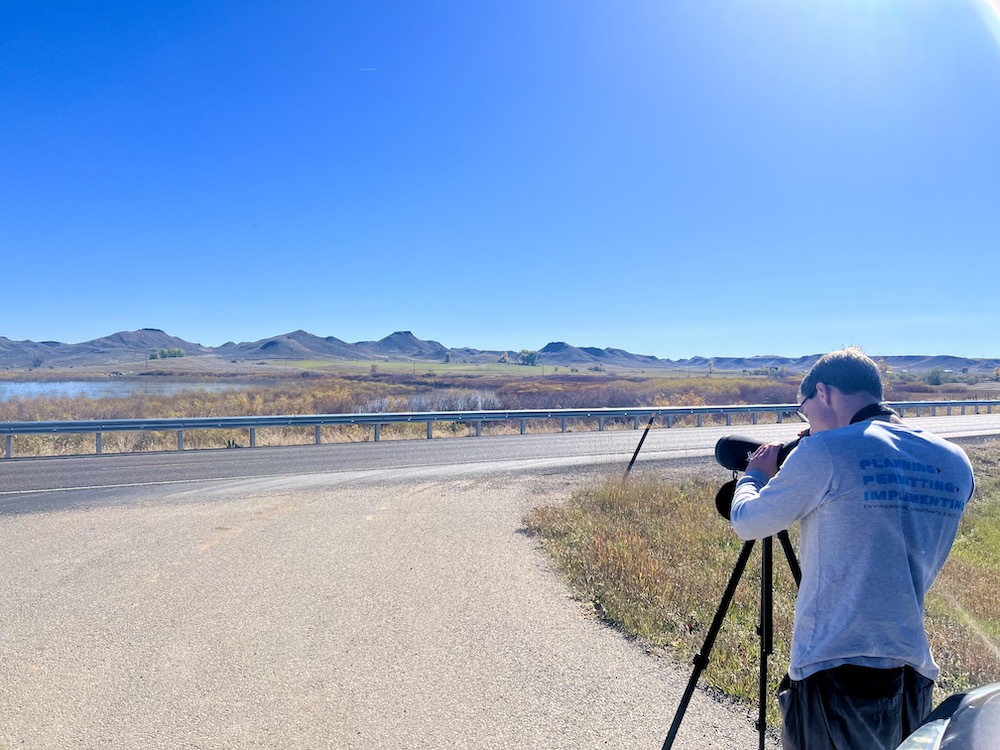
The most effective coordination begins with scientifically defensible data. We design and execute specialized presence/absence surveys that meet the strict criteria of reviewing agencies, eliminating guesswork and providing the certainty regulators require.

We have specific expertise in designing and coordinating surveys for sensitive avian species, often a high priority for the USFWS:

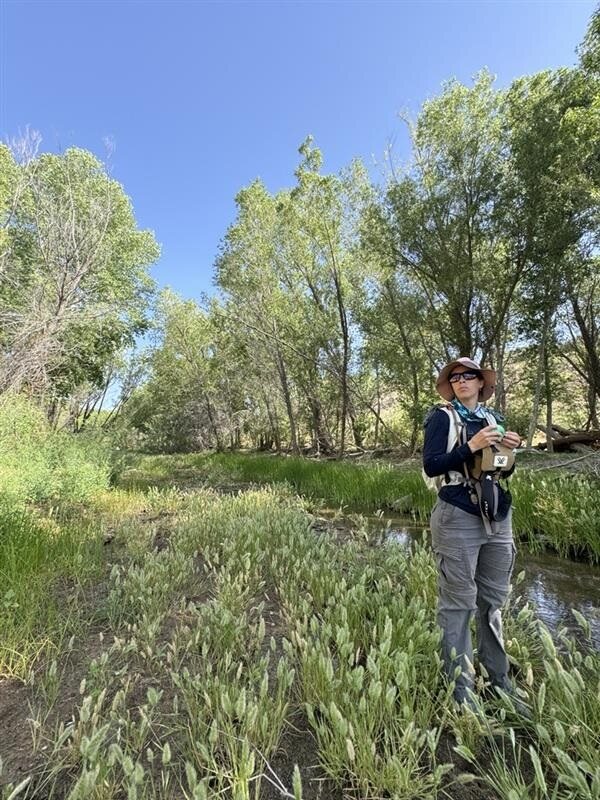
  • Western Yellow-billed Cuckoo: We execute protocol-level surveys in riparian habitats to confirm presence/absence, supporting or refuting the need for expensive mitigation or project redesign.

  • Southwestern Willow Flycatcher: Fieldwork focuses on monitoring and assessment in riparian areas, crucial for projects near water bodies regulated by the Clean Water Act.

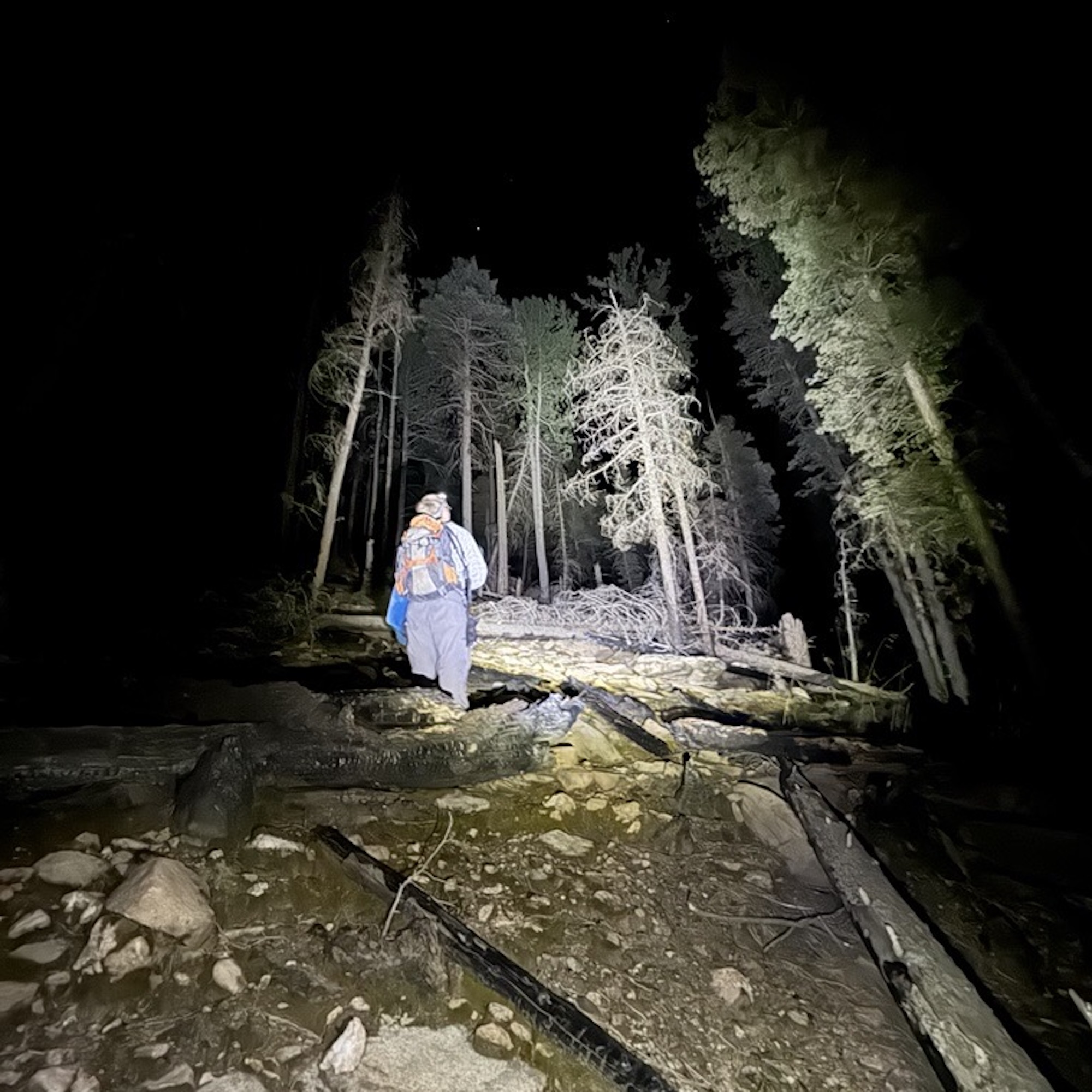
  • Mexican Spotted Owl: We conduct nocturnal call-playback surveys to confirm the presence of this forest-dwelling species, which can trigger significant limitations on timber harvesting and construction in forested federal lands.

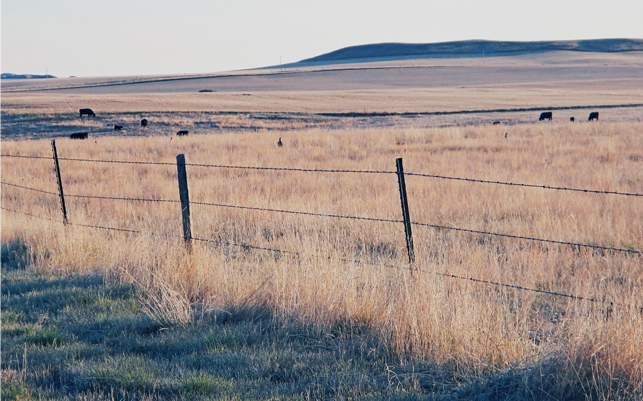
  • Lesser Prairie-Chicken: We conduct protocol-level lek surveys and habitat assessments that are essential for projects in the species’ range, especially within the context of the new ESA listing.

This foundational data allows us to approach agencies with a solution, rather than just a problem, significantly speeding up the review cycle.

Why GMEC Excels at Coordination

Choosing GMEC as your liaison provides a clear advantage in a complex regulatory environment:

  • Established Relationships: We have a long history of successfully partnering with agency staff, which translates directly to trust and efficient review for your project.

  • Technical Authority: We speak the language of the biologist, the regulator, and the developer, ensuring that the project’s needs are accurately translated into ecological terms that lead to approval.

  • Risk Mitigation: We proactively identify inter-agency conflicts or stakeholder concerns early in the process, allowing for design adjustments before they become regulatory showstoppers.

Don’t let complex coordination slow down your investment.

Ready to ensure your project’s wildlife resource compliance?

Contact Grouse Mountain Environmental Consultants today for a consultation.
Learn more about our Wildlife Resource services.

Specialized Ecological Services

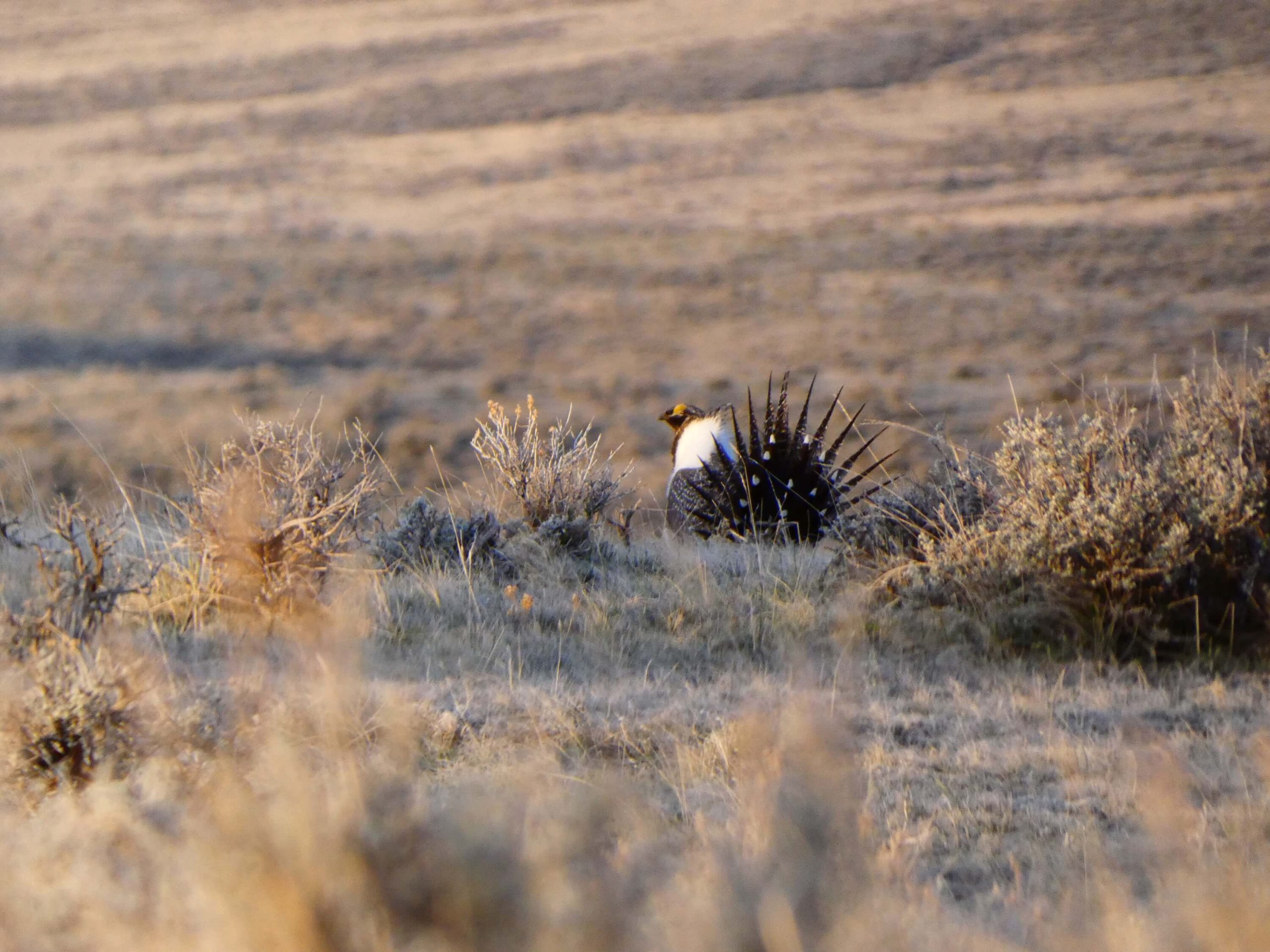
Grouse in a field | Specialized Ecological Services

Specialized Ecological Services for Complex Projects

For large-scale development in the energy and infrastructure sectors, simply checking a box for a basic wildlife survey is not enough. Regulatory agencies are demanding proactive risk modeling, spatial intelligence, and documented habitat offset strategies before, during, and after project implementation.

At Grouse Mountain Environmental Consultants (GMEC), we specialize in Specialized Ecological Services that blend cutting-edge technology with boots-on-the-ground expertise. We provide the tools to minimize your environmental footprint, defend your project footprint, and ensure your investment leads to responsible land stewardship.

1. Precision Planning: GIS and Remote Sensing

The first step in de-risking a project is understanding the landscape at a granular level before the ground is ever broken. We leverage powerful spatial data to optimize project design, avoiding sensitive areas and predicting regulatory pinch points.

  • Remote Sensing and GIS-based Habitat Analyses: We utilize high-resolution satellite imagery (remote sensing) and Geographic Information Systems (GIS) to map vegetation, land cover, and topography across massive project areas. This process:

    • Identifies High-Value Habitats: Pinpoints areas critical for species like Golden Eagles, bats, and rare plants.

    • Optimizes Routing: Allows us to run pipelines and transmission lines through the lowest-risk areas, saving time and money on avoidance measures.

    • Spatial Modeling: Creates predictive models of species distribution, habitat connectivity, and potential human-wildlife conflict zones.

2. Compliance Intelligence: Mitigating Specialized Risks

Certain sensitive species and regional regulations require specialized analytical tools that go far beyond general field reports. We provide the technical analyses required to satisfy the most stringent state and federal requirements.

  • Greater Sage-grouse DDCT Analyses: In states with Sage-grouse mandates (like Wyoming), development within core areas (PHMA) requires a Density Disturbance Calculation Tool (DDCT) analysis. We manage the GIS data submission, calculate the existing and proposed disturbance thresholds, and provide the technical documentation needed to secure permit approval from state agencies.

  • Noise Monitoring and Habitat Utilization: Industrial noise can severely impact breeding wildlife. We conduct acoustic monitoring and modeling to predict noise impacts and track how wildlife (especially Sage-grouse or ungulates) use habitats in proximity to operations, providing data essential for effective mitigation design.

3. Habitat Restoration and Mitigation Implementation

When impacts are unavoidable, regulations often require compensatory mitigation; creating or improving habitat elsewhere. We provide end-to-end services, ensuring your mitigation investment is effective and officially recognized by regulatory bodies.

  • Habitat Restoration Design and Implementation: We develop and execute ecologically sound restoration plans for disturbed sites, including:

    • Reclamation design using native seed mixes.

    • Erosion control and wetland rehabilitation.

    • Monitoring to ensure functional success and regulatory sign-off.

  • Artificial Nest/Roost Structure Installation: For targeted mitigation, we design and install structures such as:

    • Artificial raptor nests or platforms to offset nest removal or disturbance.

    • Bat houses and hibernacula (roosts) to compensate for habitat loss.

The GMEC Difference: Certainty Through Science

In today’s regulatory climate, successful development hinges on more than compliance; it requires scientific precision and foresight. Our team of certified ecologists and GIS analysts provides the high-level, specialized services that:

  • Defend Your Footprint: Provide legally defensible data for permitting reviews.

  • Accelerate Approval: Use advanced modeling to avoid late-stage design changes.

  • Maximize Mitigation Value: Design and implement habitat solutions that are cost-effective and meet agency success criteria.

Ready to ensure your project’s wildlife resource compliance?

Contact Grouse Mountain Environmental Consultants today for a consultation.
Learn more about our Wildlife Resource services.

Wildlife Surveys & Monitoring

Amphibians and reptiles wildlife surveys

Accurate Wildlife Surveys for T&E Species & Project Compliance

In the oil & gas, mining, solar, and infrastructure industries, a single undiscovered Threatened or Endangered (T&E) species can lead to devastating project delays. Compliance starts not with a permit, but with accurate, defensible, and timely data.

At Grouse Mountain Environmental Consultants (GMEC), we provide the scientific foundation your projects need. Our certified biologists use specialized, protocol-level methods to establish clear wildlife baselines and provide the continuous monitoring required to ensure your operations, from planning to post-construction, remain compliant and on schedule.

The Gold Standard: T&E and Special-Status Species Assessments

Any project requiring federal action or large land disturbance must account for species protected under the ESA and regional sensitive species lists. Our assessments go beyond simple desktop reviews:

  • Habitat Assessments: We analyze land cover, hydrology, and potential habitat features to determine the likelihood of protected species presence. This is the crucial first step to scoping subsequent, more intensive fieldwork.

  • Protocol-Level Surveys: We deploy methods required by the U.S. Fish & Wildlife Service (USFWS) and state agencies. These surveys are typically seasonal (timed to breeding, nesting, or migration periods), guaranteeing the highest chance of detection and regulatory acceptance.

  • Targeted Species Inventories: From small mammals and amphibians to large game, we execute tailored sampling techniques to accurately map species occurrence and inform Avoidance/Minimization strategies.

Avian and Bat Resources: Advanced Monitoring Techniques

Birds and bats often represent the greatest regulatory risk due to the Migratory Bird Treaty Act (MBTA) and the Eagle Act. Our services focus on high-stakes species and high-risk environments:

  • Avian Point Counts: Our biologists use fixed-point census techniques during peak bird activity (dawn) to record species presence and density by sight and sound. This provides the crucial baseline data for impact modeling.

  • Eagle/Raptor Nest Surveys: Using aerial surveys (helicopters/drones) and ground-based telemetry, we map the location and activity of all raptor nests within defined buffer zones to ensure compliance with the Eagle Act’s non-disturbance mandates.

  • Winter Roost Monitoring: We track the use of critical wintering habitat by species like Bald Eagles, providing essential data for operational limits near these sensitive areas.

  • Bat Acoustic Surveys: Using sophisticated, automated ultrasonic recorders, we monitor bat activity and identify species based on their unique echolocation calls. This non-invasive method is critical for meeting USFWS guidelines for threatened species like the Northern Long-eared Bat.

  • Mortality Monitoring (Post-Construction): For operating facilities (especially wind/solar), our crews conduct systematic fatality searches, often combined with searcher-efficiency and carcass-removal trials, to provide statistically defensible estimates of take.

Terrestrial Ecosystems: Mapping Critical Habitats

Our expertise extends across the terrestrial spectrum, addressing species that affect land use, development density, and reclamation planning:

  • Lek Inventories (Sage- and Sharp-tailed Grouse): We conduct precise counts of males at known mating grounds (leks) during the spring breeding season. This data is vital for meeting regional regulations concerning development setbacks from these critical sites.

  • Prairie Dog Colony Mapping: We accurately map the boundaries of prairie dog colonies, which are often the habitat for federally protected species like the Black-footed Ferret. This mapping informs avoidance strategies and potential relocation needs.

  • Amphibian/Reptile and Small Mammal Sampling: We use approved techniques (e.g., pitfall traps, cover boards, live-trapping) to assess biodiversity and confirm the presence/absence of species that may trigger site-specific mitigation requirements.

  • Big Game Habitat Assessments: We evaluate seasonal use of project areas by species like elk and mule deer, focusing on migration corridors and winter range, to inform habitat connectivity planning for linear projects (pipelines, transmission).

GMEC: The Scientific Certainty Your Project Requires

The difference between a seamless permit approval and a costly project halt is the quality and defensibility of your field data.

Our team has the necessary state and federal collection permits, uses the latest technology (GIS/GPS mapping, acoustics), and adheres to all current agency protocols, giving you confidence in your environmental reporting.

Ready to ensure your project’s wildlife resource compliance?

Contact Grouse Mountain Environmental Consultants today for a consultation.
Learn more about our Wildlife Resource services.

Regulatory Compliance & Permitting

Eagle Conservation Plan Guidance | Regulatory Compliance & Permitting

Wildlife Regulatory Compliance for Energy, Oil & Gas, and Mining

For executives and environmental managers in the oil & gas, mining, and large infrastructure sectors, environmental rules are not just paperwork; they are potential project roadblocks. Unforeseen delays, large fines, and work stoppages due to wildlife issues can severely impact your bottom line.

At Grouse Mountain Environmental Consultants (GMEC), we know your main priority is keeping projects running safely and on time. We turn complex wildlife regulations, like the ESA, MBTA, and Eagle Act, into predictable steps, ensuring your project moves forward without costly interruptions.

The Three Main Risks: Federal Laws That Stop Work

Your projects must strictly follow key federal wildlife protection laws. Ignoring these rules is a recipe for major problems; proactive planning is the only way to guarantee continuous operation.

  • Endangered Species Act (ESA): This law protects rare plants and animals, but for your industry, the real focus is on managing where they live (critical habitat). For instance, restrictions on land use for the Greater Sage-grouse can affect drilling or pipeline routes. We help you get the necessary permits to legally impact a species (Incidental Take Permits), allowing your work to proceed.

  • Migratory Bird Treaty Act (MBTA): This law protects almost all native birds, their nests, and eggs. If your construction or maintenance disturbs an active nest, you risk serious fines and work halts. We focus on avoiding nesting seasons and conducting quick surveys before construction to clear work areas and prevent project delays.

  • Bald and Golden Eagle Protection Act (Eagle Act): This law gives special protection to eagles, prohibiting any action that harms or disturbs them. Pipelines, transmission lines, and large facilities inherently create risks. We develop the detailed plans needed to secure Eagle Take Permits, ensuring your operations are legally compliant and protected from severe federal penalties.

Permitting: Your Legal Pass to Operate

To avoid regulatory stops, you need strong, science-backed plans approved by government agencies. We prepare the critical documents that secure your right to operate.

Key Plans and Permits for Your Industry:

Eagle Conservation Plans (ECPs)

  • Key Focus: Detailed strategy to reduce and manage the risk of harming eagles.
  • Compliance Goal: Getting the legal permit (Incidental Take Permit) to operate near eagles.

Bird & Bat Conservation Strategies (BBCS)

  • Key Focus: Plans to identify and minimize collision risks, especially around tall structures and lighting.
  • Compliance Goal: Ensuring your operations use the best methods to protect migratory species.

Biological Assessments/Evaluations

  • Key Focus: A close look at how your project might affect protected species and their habitats.
  • Compliance Goal: The required basis for obtaining ESA permits.

New USFWS General Permits

  • Key Focus: Leveraging the new, streamlined permits for certain low-risk activities, such as minor power line work.
  • Compliance Goal: Getting quicker, faster approvals when your project qualifies.

Targeted Solutions: Fixing Your Industry’s Specific Problems

Different industries have different choke points when it comes to wildlife compliance. GMEC’s experience means we know where to focus to keep your project moving.

Oil & Gas

  • Your Biggest Wildlife Concern: Breaking up habitats (roads, pads) and affecting key species like the Sage-grouse.
  • GMEC’s Direct Solution: Fast pre-construction surveys, using habitat banks to offset impact, and optimizing route/site locations.

Mining

  • Your Biggest Wildlife Concern: Large-scale land disturbance, long-term land restoration rules, and bird risks near water sources/ponds.
  • GMEC’s Direct Solution: Reclamation plans that meet environmental goals, long-term monitoring, and bird deterrents near water features.

Infrastructure

  • Your Biggest Wildlife Concern: Placing power lines or pipelines near eagle territories and getting permits across vast stretches of land.
  • GMEC’s Direct Solution: Integrating industry best practices (APLIC) and speeding up ESA/Eagle Act Permitting for linear projects.

The GMEC Advantage: Taking the Risk Off Your Schedule

We act as a specialized support system for your internal environmental team, offering the expert science and regulatory relationships needed to get approvals fast. Our mission is to give you certainty and predictability in the compliance process.

Partner with Grouse Mountain Environmental Consultants to ensure compliance doesn’t become a delay.

Ready to ensure your project’s wildlife resource compliance?

Contact Grouse Mountain Environmental Consultants today for a consultation.
Learn more about our Wildlife Resource services.

GET IN TOUCH

You can find us in the office weekdays from 8am-5pm or call anytime.

P: 307.684.2112

Grouse Mountain Headquarters

760 West Fetterman Street
Buffalo, WY 82834

Grouse Mountain New Mexico

3600 Cerrillos Rd, Ste 407
Santa Fe, NM 87507

Send us a message or inquire on your next project.

  • This field is for validation purposes and should be left unchanged.